


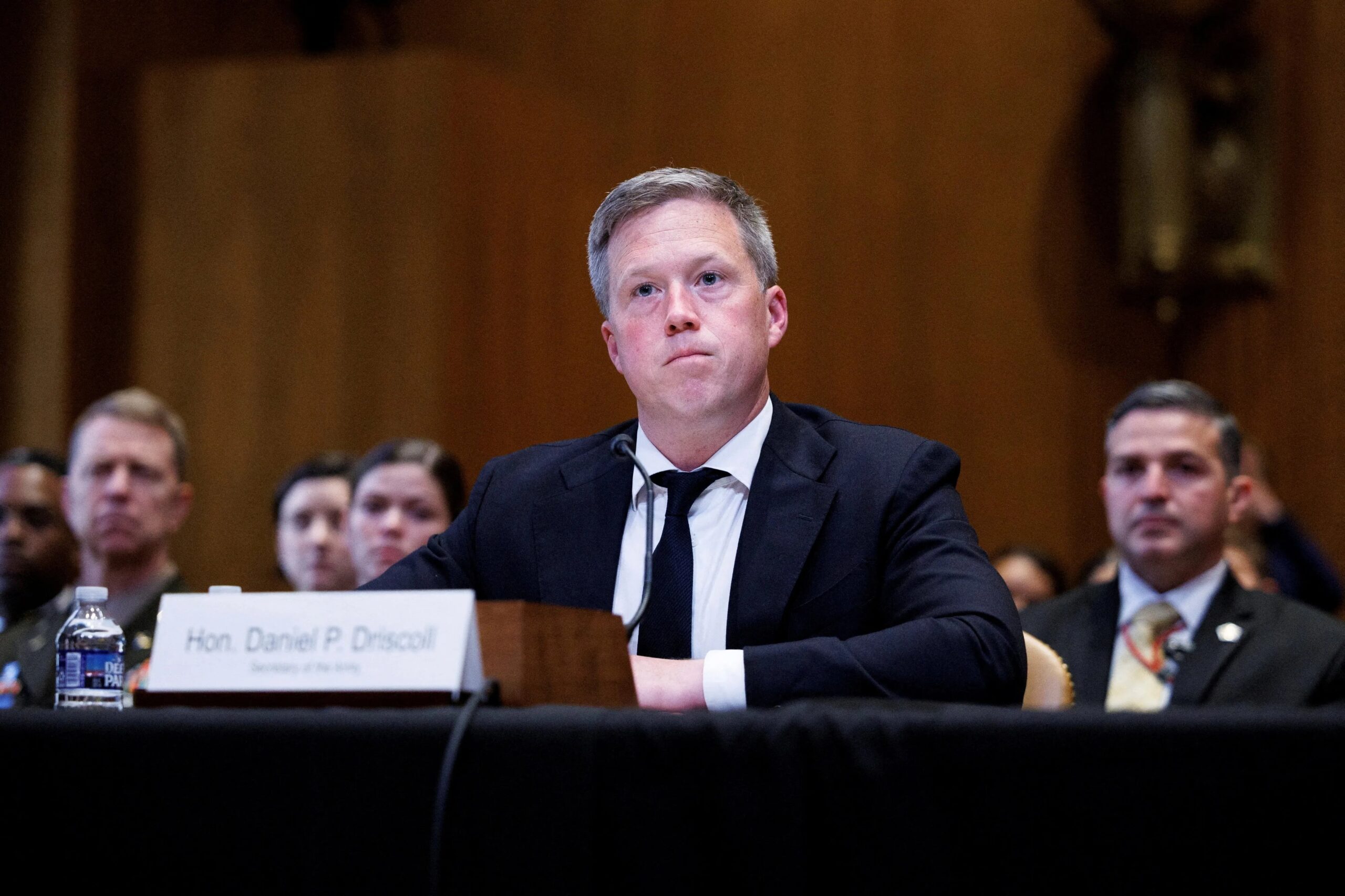
Army Secretary Dan Driscoll has submitted his resignation to President Donald Trump, adding new uncertainty to military leadership at a critical time for the U.S. Army. Officials confirmed that the resignation has been delivered to the president, but it has not yet been accepted by the White House.
The pending resignation comes after reported disagreements over Army modernization efforts and concerns about military readiness. People familiar with the matter said Driscoll voiced concerns to administration officials about the direction of key Army programs before deciding to step down.
According to sources close to the discussions, Driscoll believed that recent leadership decisions affected the Army’s ability to continue important transformation efforts. These programs are aimed at improving military capabilities, strengthening preparedness, and ensuring that the force remains ready for future challenges.
The White House has not announced whether it will accept the resignation. Until a decision is made, Driscoll remains in his position as Army secretary.
The situation has drawn attention across defense and political circles because of its connection to recent changes among senior military leaders. Several high-ranking Army officials have left their positions in recent months, leading to debate about the impact on military planning and readiness.
One of the most notable departures involved Army Chief of Staff Gen. Randy George. The respected military leader had served for decades and was widely known for his focus on modernization and organizational reform.
Driscoll previously spoke about George’s departure during a congressional hearing. He recalled learning that the general had been asked to submit his resignation while he was spending time with his family in North Carolina.
After receiving the news, Driscoll said he immediately traveled to meet George and his family. He described the moment as emotional and praised the general for his years of service to the nation.
During his remarks, Driscoll highlighted George’s long military career, his leadership record, and the respect he earned from soldiers and colleagues. He described him as a transformational figure who played an important role in shaping the Army.
At the same hearing, Driscoll acknowledged that military leadership changes are part of the nation’s system of civilian control over the armed forces. He noted that elected leaders have the authority to select the officials they believe will best carry out their policies and priorities.
Despite those comments, reports suggest that concerns over leadership changes remained a major issue behind the resignation. Sources said Driscoll worried that the departure of key officers could slow progress on readiness and modernization efforts that had been years in development.
Military readiness remains a major focus for defense officials. The Army continues to invest in new technologies, training programs, and operational strategies designed to prepare troops for future conflicts. These efforts require strong coordination between civilian leaders and military commanders.
Defense experts often note that leadership stability can play an important role in the success of long-term military programs. Changes at senior levels can influence planning, resource allocation, and the pace of reform initiatives.
The Pentagon has not released detailed information about what happens next if the resignation is accepted. No successor has been officially named, and administration officials have remained largely silent on the matter.
Reports indicate that Driscoll could leave the Pentagon in the coming days if the White House approves his resignation. Until then, he continues to oversee Army operations and administrative responsibilities.
The development comes during a period of significant discussion about the future of the armed forces. Military leaders and policymakers continue to examine how best to maintain readiness while adapting to changing global security threats.
For now, attention remains on the White House and its decision regarding Driscoll’s future. The outcome could shape the next chapter of Army leadership and influence ongoing efforts to modernize the service and strengthen military preparedness in the years ahead.
