


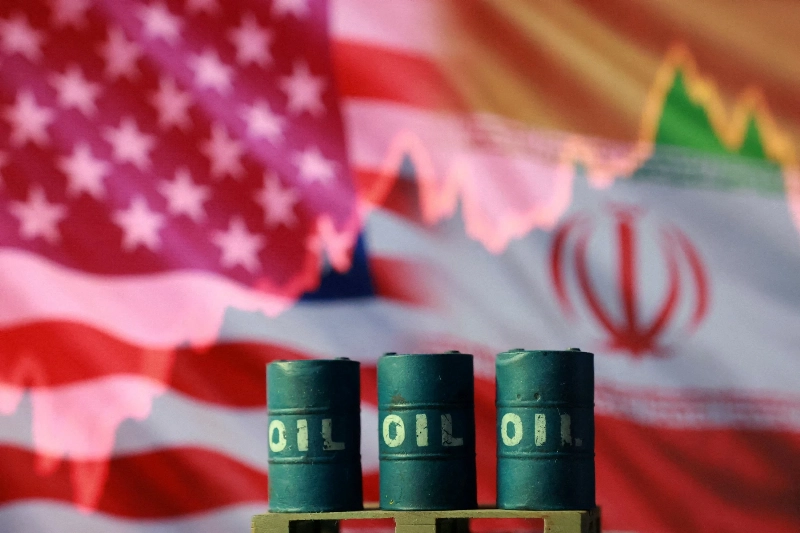
Oil prices fell sharply after the United States and Iran paused military action over the weekend, easing fears of a wider conflict in the Middle East. The temporary halt in fighting increased hopes that diplomatic efforts could reduce tensions and help restore normal shipping through the Strait of Hormuz.
Brent crude futures dropped nearly 5% in early trading on Monday. The international oil benchmark fell by $4.89, or 5.05%, to $91.89 per barrel. During the session, prices briefly slipped below the important $90 level before recovering slightly.
The decline followed two weeks of military exchanges between the United States and Iran that had pushed energy prices higher. Concerns over possible disruptions to oil supplies had increased as the conflict raised risks for one of the world’s most important energy shipping routes.
The Strait of Hormuz is a key passage for global oil exports. A large share of the world’s crude oil moves through the narrow waterway each day. Any threat to shipping in the area can quickly affect energy markets and increase oil prices worldwide.
Market sentiment improved after both Washington and Tehran signaled a pause in military operations. The reduction in fighting encouraged investors to believe that diplomatic discussions could continue and lower the risk of further disruptions.
The easing of tensions also raised expectations that commercial shipping could operate more normally if the ceasefire holds. Traders often react quickly to signs that supply routes may remain open, leading to lower oil prices when risks decrease.
Oil markets had climbed sharply during the recent conflict as investors worried that attacks could affect production facilities or delay shipments across the region. With military activity slowing, those immediate concerns eased, prompting a broad sell-off in crude futures.
Despite the latest decline, analysts say markets will continue monitoring developments closely. Any renewed military action or breakdown in diplomatic efforts could quickly change market sentiment and push prices higher again.
Investors are also watching for official statements from both governments regarding future negotiations. A lasting diplomatic solution could help stabilize global energy markets, while renewed conflict could create fresh uncertainty for oil supplies.
The latest price movement highlights how closely global oil markets respond to geopolitical events. Even short-term changes in regional security can influence energy costs, transportation expenses, and inflation around the world.
For now, the pause in fighting has provided temporary relief for energy markets. Traders will continue following developments in the Middle East to assess whether diplomatic efforts can maintain stability and keep one of the world’s most important oil supply routes operating without disruption.
