


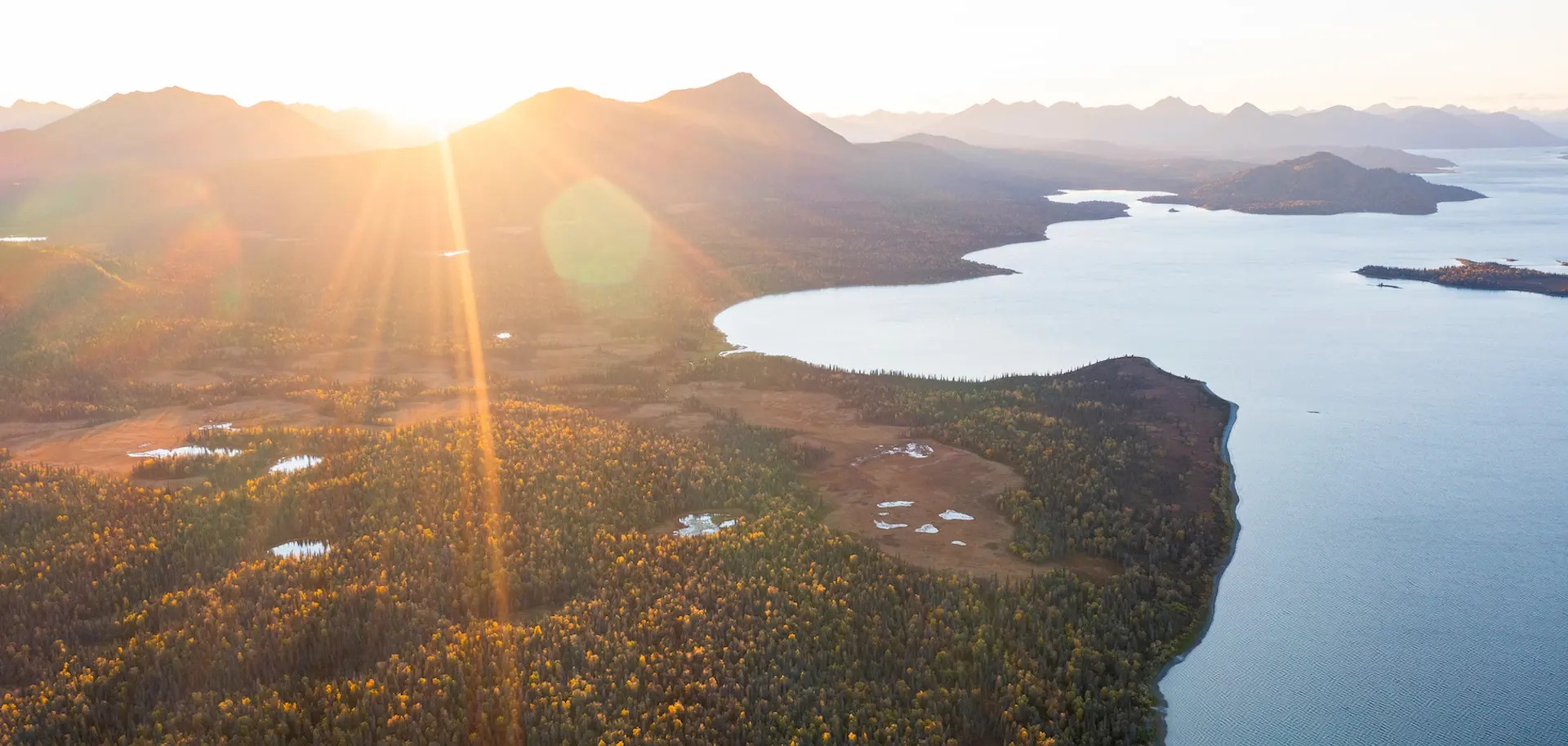
Alaska is at the center of a growing debate over how its natural resources should be managed, with concerns rising about long-term sustainability and environmental protection. At the heart of the discussion is what some describe as the state’s “original Permanent Fund,” meaning Alaska’s natural environment and wildlife.
Supporters of this view say Alaska’s true wealth is not only financial, but also rooted in its land, water, and wildlife. They argue that forests, rivers, oceans, and ecosystems act as a natural source of value for residents across the state.
This includes fish such as salmon, halibut, cod, crab, and herring, as well as land animals like moose, caribou, deer, bears, and wolves. Many Alaskans also rely on berries, greens, and other natural foods that grow across the region.
The argument also highlights less tangible benefits. These include the state’s wide-open landscapes, mountain ranges, remote lakes, and Arctic environments, which many residents say define their way of life.
Critics of current resource policies say Alaska’s natural systems are under pressure. They point to declining fish populations in some regions, reduced crab stocks in the Bering Sea, and shrinking caribou herds as signs of environmental stress.
They argue that while development is important for the economy, it must be balanced with conservation to protect long-term natural resources.
The debate also touches on major development projects across the state. These include proposals for new roads, expanded oil exploration, mining operations, and logging activities in forest regions.
Supporters of stronger environmental protections warn that such projects could further strain ecosystems that are already showing signs of decline.
They say Alaska’s natural environment functions like a long-term “capital fund,” where resources must be preserved to ensure future generations can continue to benefit from them.
The concept is compared to Alaska’s financial Permanent Fund, which provides annual dividend payments to residents. In this case, the “dividends” are seen as wildlife, fisheries, clean water, and natural landscapes.
Environmental advocates argue that if natural systems are overused or damaged, the long-term benefits could shrink, affecting both rural and urban communities.
In rural areas, many people rely heavily on subsistence lifestyles, including fishing, hunting, and gathering. In cities, residents also depend on outdoor recreation, tourism, and natural resources for quality of life.
This shared dependence has made environmental protection a key political issue in the state. Some argue that conservation should be prioritized before large-scale development projects move forward.
Concerns have also been raised about specific policies linked to state leadership. Critics say that calls for increased development could conflict with environmental protection goals.
They warn that expanding infrastructure, increasing resource extraction, and reopening large-scale industrial projects may have long-term effects on ecosystems.
Supporters of development argue that Alaska’s economy depends on responsible use of natural resources. They say projects in oil, mining, and forestry provide jobs, revenue, and economic stability.
However, environmental voices stress that economic growth should not come at the cost of ecological damage. They argue that sustainable management is necessary to protect fisheries, wildlife, and habitats.
The debate has also become political, with discussions about leadership, environmental responsibility, and future policy direction.
Some residents believe that stronger conservation policies are needed to ensure that Alaska’s natural systems remain intact for future generations. Others believe that development is essential for economic progress and state funding.
The issue continues to divide opinion across Alaska, reflecting a broader global discussion about balancing economic growth with environmental protection.
As the debate continues, many Alaskans are calling for careful planning and long-term thinking when it comes to using the state’s natural resources.
