


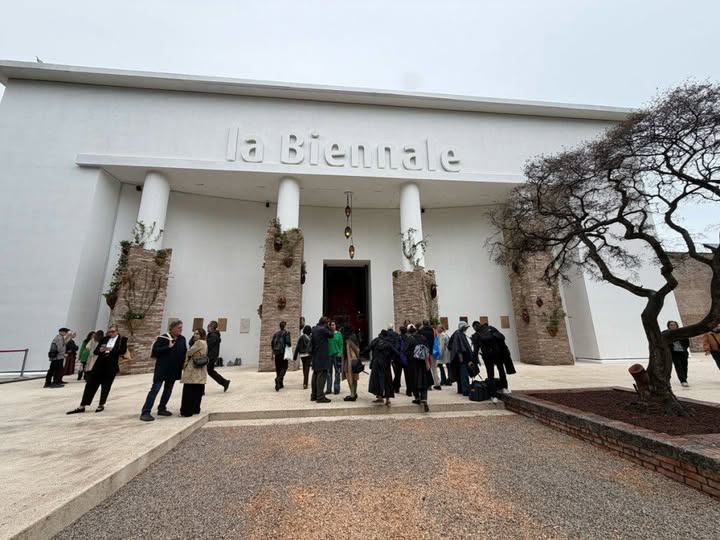
The Venice Biennale 2026 highlights show a major global art event filled with strong emotions, political tension, and unusual creative work. The event takes place every two years in Venice. It brings together artists from around the world. This year, 99 countries joined the exhibition. The show is often seen as a global test of modern art trends. It is also a place where nations show cultural strength through art. Many experts describe it as one of the biggest meetings in the art world. It mixes creativity, politics, and public debate in one space.
One of the main Venice Biennale 2026 highlights was the strong presence of female nudity in many artworks. Several national pavilions showed nude figures in different forms. Some works used naked bodies in performance art. Others showed paintings and sculptures with exposed forms. Austria presented performances with swimmers and riders in bold, exposed scenes. Denmark also showed work linked to adult themes and body issues. Some visitors supported the freedom of expression. Others questioned the focus on female bodies. Feminist groups also joined the discussion and used protest actions during the event.
Political tension was another key part of the Venice Biennale 2026 highlights. The return of Russia after global conflict created strong debate. Protest group Pussy Riot appeared near the Russian pavilion. They performed music and raised slogans against the country’s participation. Their actions forced temporary closures and heavy security response. Some visitors supported the protest. Others said art should stay separate from politics. The United Kingdom and several other countries also expressed concerns. Some officials skipped events linked to Russia. The situation showed how global politics strongly affects cultural spaces today.
The United States pavilion also drew attention in a negative way. One of the Venice Biennale 2026 highlights was the criticism of its art direction. The exhibition by artist Alma Allen showed abstract sculptures in a plain style. Many visitors said the works felt empty and unclear. Some compared the pieces to simple hotel decorations. Earlier US exhibitions were more colorful and active. They included dance and cultural themes. The new approach was seen by some critics as less engaging. This created debate about the direction of modern American art at global shows.
Another strong part of the Venice Biennale 2026 highlights was water-based art. The Austrian pavilion attracted large crowds. It featured performers in water tanks, jetskis, and climbing acts. The show focused on sea life and movement. Other countries also used ocean and water themes in their work. Canada, Israel, and Uzbekistan included maritime ideas in their displays. These works showed how water can represent travel, life, and survival. The performances were physical, loud, and highly visual. Many visitors stayed long hours to watch the live actions unfold.
A very unusual trend in the Venice Biennale 2026 highlights was smell-based art. Several pavilions used strong scents to create emotional reactions. One exhibition recreated the smell of soil and decay. Another used cooking smells like onion and herbs. The Syrian pavilion combined scent with history inside a damaged ancient-style structure. Egypt and Germany also used fragrance in their installations. Some visitors found the smells powerful and meaningful. Others said they were too strong or uncomfortable. Smell became a new way to experience art beyond sight and sound.
Outside the main area, video art also gained attention. Some of the best Venice Biennale 2026 highlights were found in off-site locations. These included films about conflict, protest, and human rights. One work explored sound weapons used against protesters. Another video series focused on grief and memory. A famous artist also showed older powerful works that still moved audiences deeply. Many critics said these off-site pieces were stronger than some main exhibitions. They added depth to the overall event experience.
The absence of lead curator Koyo Kouoh was another important part of the Venice Biennale 2026 highlights. She passed away before finishing her full vision for the show. Her team continued the project based on her instructions. However, many visitors felt something was missing. The overall theme focused on calm and soft expression. Still, the final result felt incomplete to some viewers. Her influence was present but not fully realized. The event carried her idea forward, but without her direct guidance, the structure felt less clear in places.
