


Summer travel in the United States is becoming more expensive as rising fuel costs put pressure on airlines, transport companies, and holidaymakers.
The increase in US Travel Fuel Prices comes as global oil markets react to disruptions linked to the ongoing conflict involving Iran, pushing energy costs higher across international markets.
Oil prices have risen more than 30% since key shipping routes were affected earlier in the conflict. This has led to higher jet fuel and gasoline prices across the United States.
The national average price of gasoline has reached around $4.56 per gallon, significantly higher than last year, with some states reporting prices above $6 per gallon.
The surge in fuel costs has had a direct impact on the airline industry, which depends heavily on jet fuel for operations.
Budget airlines are especially affected because they operate on lower profit margins and have less flexibility to absorb rising costs.
One of the most significant developments has been the sudden shutdown of low-cost carrier Spirit Airlines.
The airline reportedly stopped operations on 2 May after facing severe financial pressure linked to rising fuel prices and other economic challenges.
Passengers who had booked flights were left scrambling for alternatives, with many forced to pay higher fares on other carriers.
Travelers who once relied on low-cost tickets are now seeing significantly increased prices across the market.
For example, passengers who previously booked low-budget flights have reported paying nearly double for replacement tickets on other airlines.
Industry experts say the collapse of Spirit Airlines could have long-term effects on domestic airfare pricing.
Reduced competition in the low-cost segment is expected to push ticket prices higher on several routes.
Even travelers who never flew with Spirit may feel the impact due to fewer budget options available in the market.
Experts say the current situation reflects a broader trend where rising energy costs are reshaping consumer travel behaviour.
Higher fuel prices are also affecting major airlines such as Delta Air Lines and United Airlines, which are adjusting routes and increasing fees to manage costs.
However, larger carriers are better positioned to absorb fuel price shocks compared to budget airlines.
The impact is not limited to air travel. Road transportation costs have also increased, affecting families planning road trips during the summer season.
Some travellers are turning to alternative transport options such as buses and trains as a way to reduce costs.
Transport companies like bus operators have reported increased demand on routes that overlap with former budget airline destinations.
Rail services such as Amtrak have also seen a rise in passenger interest, although officials say it is still early to confirm a direct link to fuel price increases.
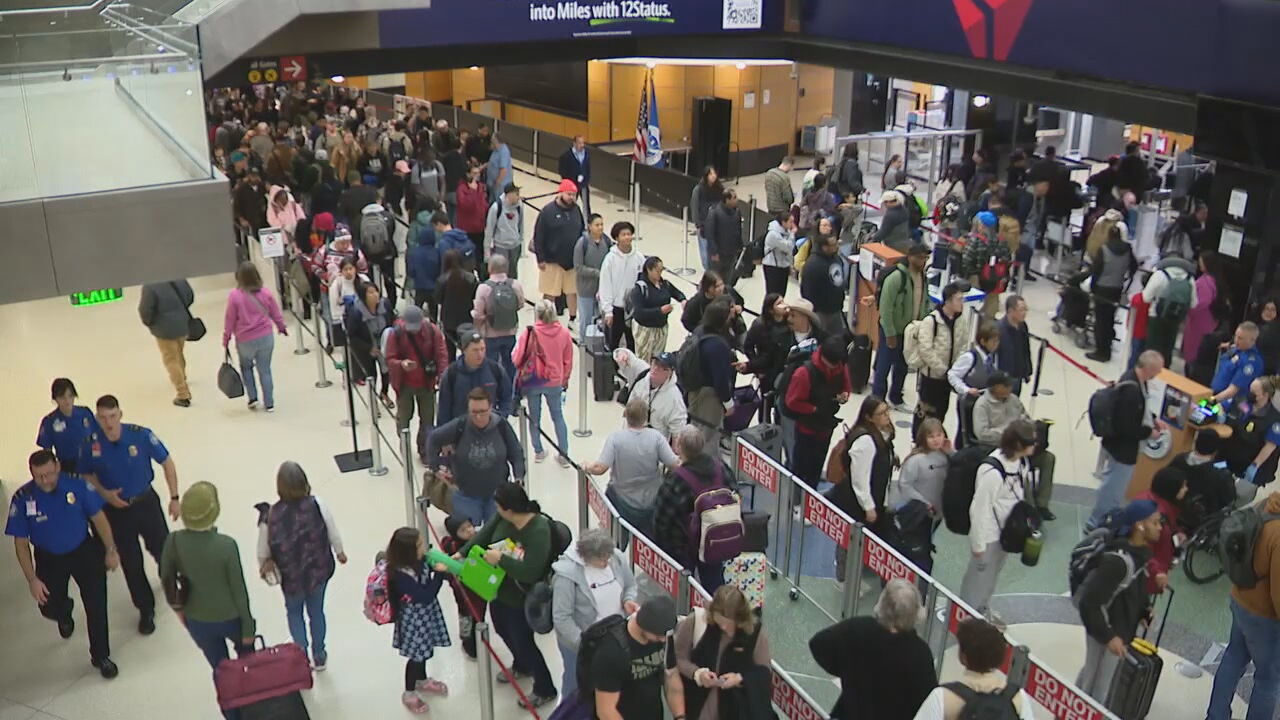
Despite rising costs, demand for travel remains strong across the United States.
Many families continue to prioritise vacations, even if it means adjusting budgets or using credit to finance trips.
Travel agents report that while some customers are delaying or shortening trips, most are still planning to travel during the summer season.
Industry observers say this reflects a strong desire for leisure travel despite financial pressure.
International travel companies such as Intrepid Travel have also reported steady demand, with travellers increasingly looking for better value and flexible booking options.
Some travellers are booking trips closer to departure dates, hoping to find better deals, although experts warn that prices may continue to rise.
Economists say that future fuel price stability will depend heavily on global oil supply conditions and geopolitical developments.
There are concerns that high energy prices could persist if global tensions remain unresolved.
For many households, rising travel costs are forcing changes in holiday plans, including shorter trips, fewer flights, or alternative destinations.
However, analysts say the desire for travel remains strong, even in the face of higher prices.
The current US Travel Fuel Prices situation highlights how global energy markets can quickly influence everyday costs, from airline tickets to family vacations.
As summer approaches, travellers across the United States are preparing for a more expensive travel season shaped by ongoing fuel price volatility.
