


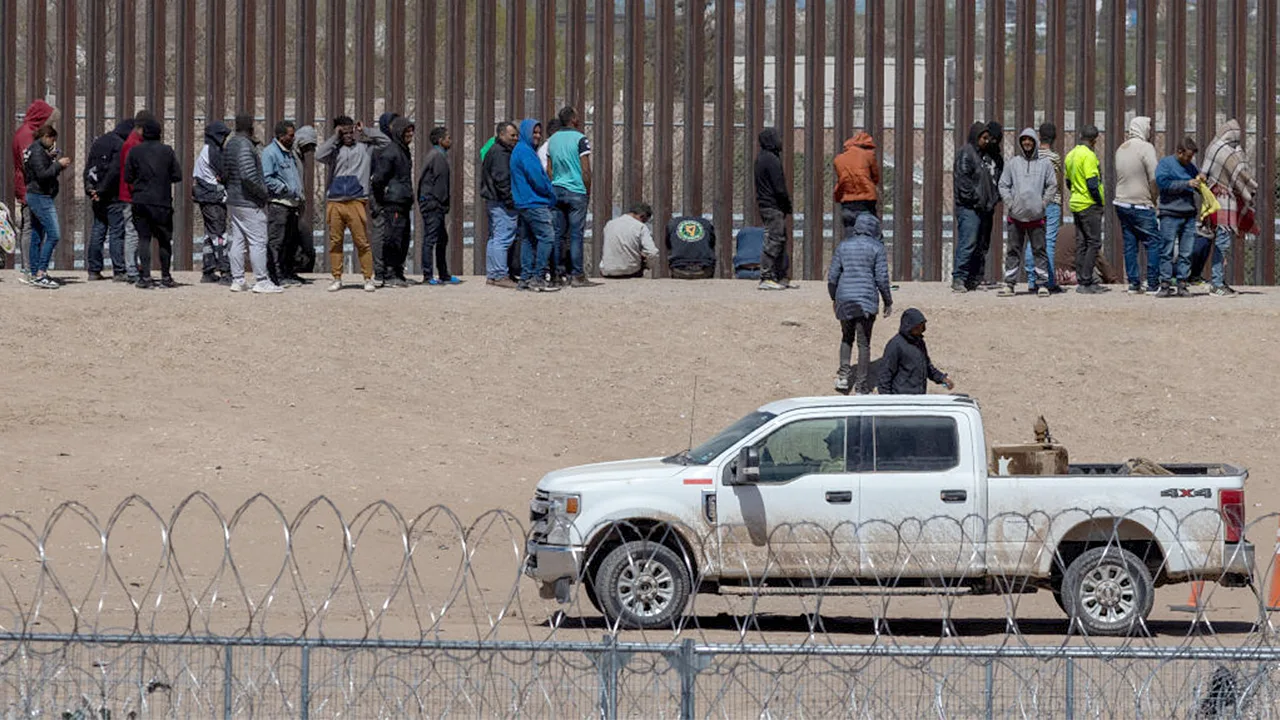
The Texas Migrant Arrest Law is facing a new legal challenge as civil rights groups move to block its enforcement. A coalition filed a lawsuit on Monday, arguing that key parts of the law are unconstitutional.
The law, known as Texas Senate Bill 4, allows police in Texas to arrest migrants suspected of crossing the U.S.-Mexico border without legal permission. It is set to take effect on May 15 unless a court intervenes.
The case comes after a federal appeals court removed an earlier block on the law. That decision cleared the way for the Texas Migrant Arrest Law to move forward after being paused since 2024.
Several advocacy groups are leading the new legal effort. These include the Texas Civil Rights Project and the American Civil Liberties Union. They argue that immigration enforcement is a federal responsibility, not a state one.
The lawsuit targets multiple parts of the law. One provision creates a new crime for entering the country illegally. Another allows state judges to order individuals to leave the United States.
The Texas Migrant Arrest Law also includes penalties for those who do not follow such orders. In addition, it requires state courts to continue cases even if a person has an active federal immigration claim, such as asylum.
Legal experts say these provisions could conflict with long-standing federal authority over immigration. Courts in the past have ruled that states cannot set their own immigration rules.
Advocacy groups argue the law could impact many people, including those with legal status. They say it may also lead to confusion and fear in local communities.
A lawyer from the Texas Civil Rights Project said the fight against the law is not over. The group believes the law harms communities and misuses state resources.
A representative from the ACLU also criticized the measure. He described it as harsh and said the legal battle will continue until it is fully struck down.
The Texas Migrant Arrest Law has drawn national attention. Supporters say it is needed to address rising migrant crossings. Critics argue it goes too far and breaks constitutional limits.
The law was passed by Texas lawmakers during a period of increased migration at the southern border. State leaders wanted stronger control over border security.
The issue has also involved federal authorities. The Department of Justice had previously challenged the law in court. However, that involvement ended last year under the administration of Donald Trump.
Texas officials, including the office of Ken Paxton, have supported the law. They argue it helps protect state borders and public safety.
At the same time, critics warn the law could change the role of local police. They say officers and judges may be forced to act as immigration agents.
Civil rights groups say this shift could lead to legal conflicts and rights violations. They also worry about the impact on families and long-term residents.
The Texas Migrant Arrest Law now faces another round in court. Judges will decide whether the new lawsuit can stop the law before it takes effect.
As the legal battle continues, the case highlights a wider debate in the United States. It raises questions about the balance of power between state and federal governments.
The outcome could have lasting effects on immigration policy and enforcement across the country.
