


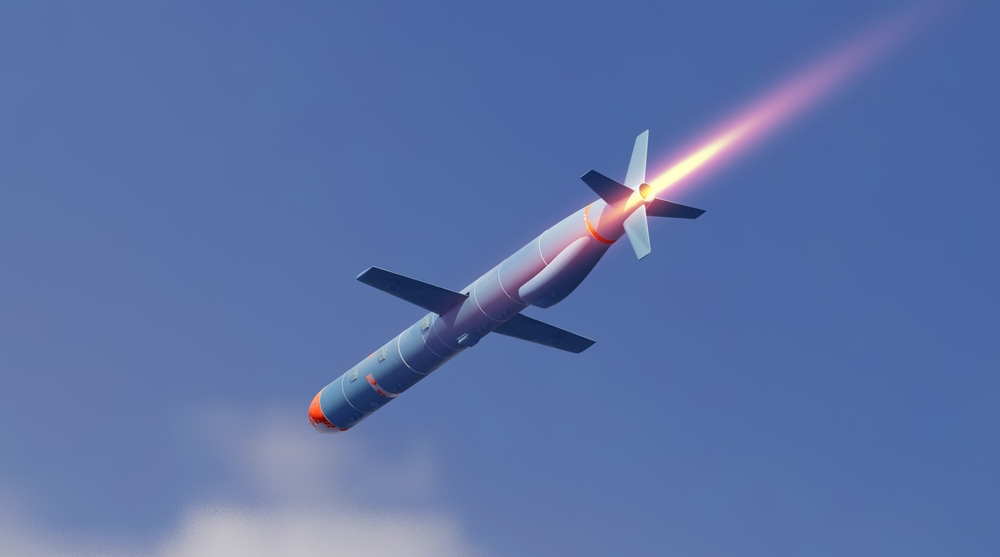
The United States has carried out a series of airstrikes against Islamic State–linked militants in northwestern Nigeria, in a move aimed at bolstering the country’s fight against extremist violence. President Donald Trump described the operations as “powerful and deadly” and said the militants had been targeting civilians, especially Christians.
Trump’s announcement highlighted the ongoing threat posed by extremist groups in Nigeria and underscored the US commitment to supporting the country’s overstretched military forces.
Strengthening Nigeria’s Security Forces
Nigeria’s military has been battling multiple armed groups for over a decade, often struggling to respond effectively due to limited resources and personnel. Extremist organizations take advantage of remote areas with little government presence, exploiting poverty and unemployment to recruit fighters.
US airstrikes provide vital support for Nigerian forces, who are frequently outnumbered and outgunned. The government has also expanded recruitment efforts to strengthen its security apparatus, though challenges remain in addressing widespread insecurity.
Collaborative Efforts with the United States
Nigeria’s foreign ministry confirmed that the strikes were part of ongoing cooperation with international partners, including the US. The ministry said these coordinated efforts allow for targeted actions against terrorist strongholds in the northwest.
President Bola Ahmed Tinubu stressed that insecurity affects all citizens regardless of religion or location, affirming Nigeria’s commitment to religious tolerance. The US has previously designated Nigeria a “Country of Particular Concern” over threats to religious freedom, particularly affecting Christian communities.
A Widespread and Deep-Rooted Conflict
Militant groups such as Boko Haram and the Islamic State of West Africa Province (ISWAP) have caused extensive violence in Nigeria, particularly in the northeast. Analysts note that both Christians and Muslims have suffered from these attacks.
In the northwest, a lesser-known IS-affiliated faction called the Islamic State Sahel Province, locally known as Lakurawa, has gained influence. Officials have not confirmed which group was specifically targeted in the recent strikes.
Experts emphasize that military action alone cannot resolve Nigeria’s security challenges. Defence Minister Christopher Musa has said that military operations account for roughly 30% of the solution, while the remaining 70% depends on governance reforms, development initiatives, and addressing the root causes of instability such as poverty and lack of infrastructure.
