


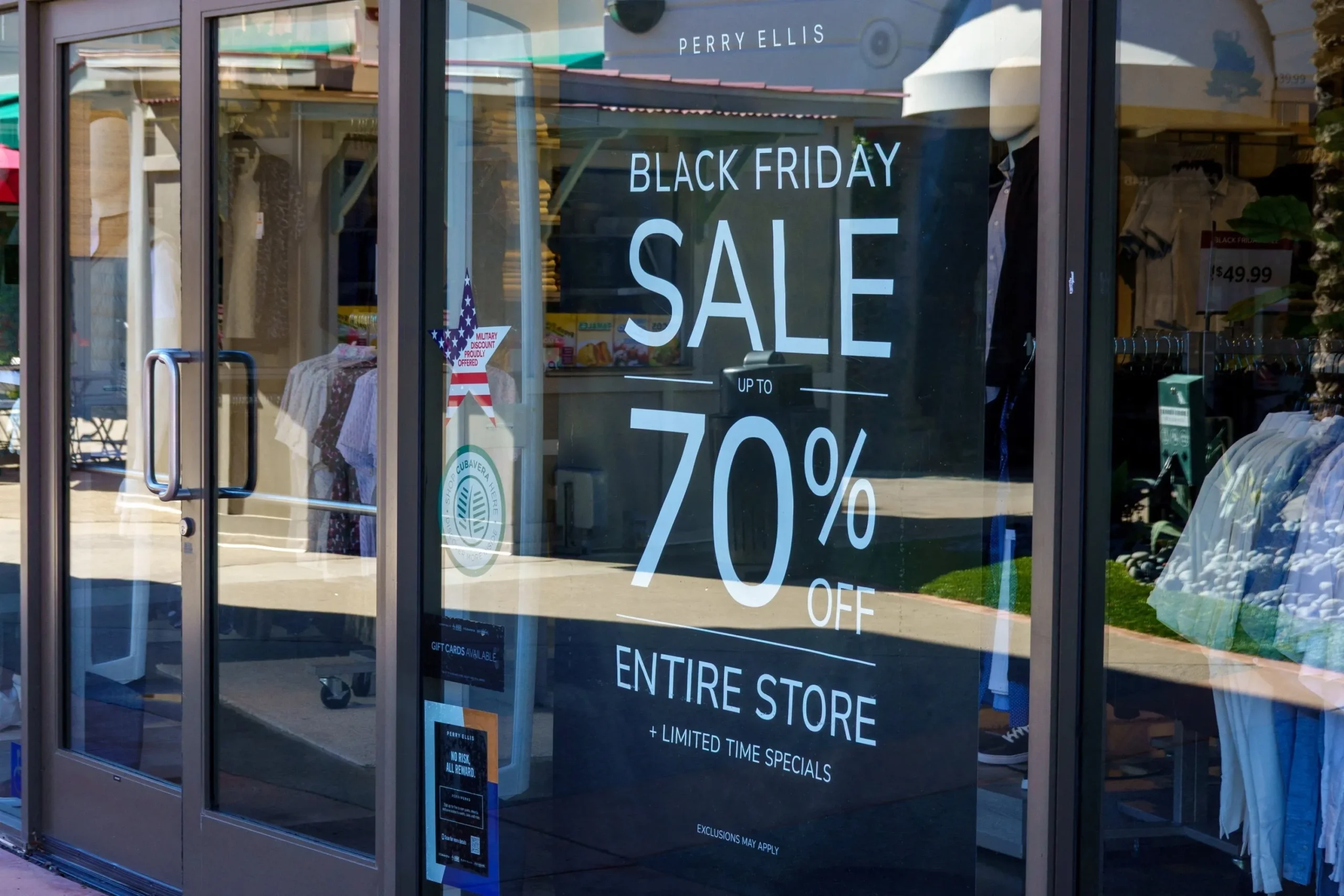
American shoppers spent record amounts online during Black Friday, even as fewer people visited physical stores during one of the busiest shopping days of the year. Preliminary figures released after the holiday showed that total retail sales, excluding automobiles and gasoline, increased by 5.8% compared with Black Friday in 2025. The figures suggest that consumers continued spending despite concerns about inflation and household expenses.
Adobe Analytics reported that online purchases in the United States reached $13.1 billion, an increase of 11% from the previous year. The total was higher than the company’s forecast for the day. Salesforce also recorded strong online activity, estimating that global internet sales reached $82.7 billion, including $19.1 billion in purchases made by American consumers. The companies use different data sources, which helps explain the difference between their estimates.
The increase in online spending did not translate into higher visitor numbers at physical shops. RetailNext reported that store traffic fell by 2.9% compared with the previous Black Friday, while another measurement company, Sensormatic Solutions, recorded a 4.2% decline. Bad weather and the growing habit of shopping online may have contributed to the lower number of visitors, while some households continued to feel pressure from the cost of essentials.
Electronics and technology products were among the strongest categories during the event. Adobe reported demand for items such as gaming consoles, smartphones, headphones and smart glasses, alongside discounted household products, clothing and supplies for pets and babies. Mastercard data showed that spending on electronics and software increased by nearly 8% from 2025. Retail analysts said the figures also suggest that shoppers were using discounts to manage their budgets while continuing to buy practical goods and holiday gifts.
