


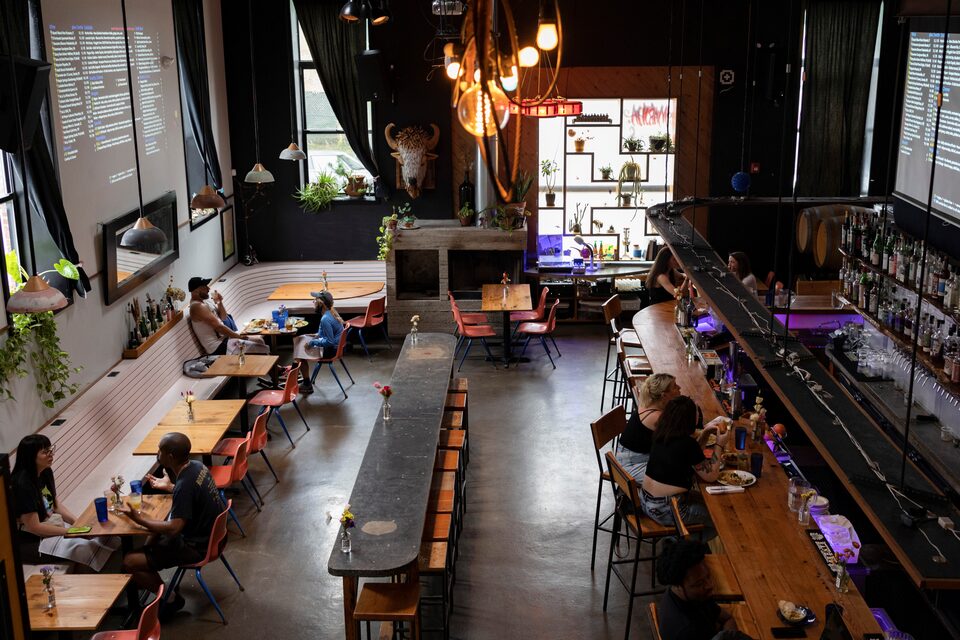
The U.S. economy is showing resilience, supported by strong growth in the restaurant and bar sector. Despite ongoing challenges, consumer spending remains robust, signaling confidence in economic stability.
Restaurants and bars are reporting higher sales this quarter, driven by both dine-in and takeaway services. Analysts say this trend reflects continued consumer willingness to spend on dining experiences, even amid inflation and higher interest rates.
Industry data shows that casual dining, fine dining, and quick-service restaurants are all seeing solid revenue growth. Operators report strong demand for meals, drinks, and delivery services, indicating that Americans continue to prioritize social and leisure activities.
Experts note that the restaurant sector often acts as a key indicator of consumer sentiment. When people feel confident about their financial situation, they are more likely to dine out. This trend is helping to sustain employment and support local economies across the country.
Economic analysts emphasize that the sector’s performance contrasts with other areas of the economy that face slower growth. While manufacturing and retail may experience fluctuations, the restaurant and bar industry remains a reliable driver of economic activity.
The sector’s resilience is also attributed to innovation and adaptation. Many restaurants have expanded digital ordering, delivery, and contactless payment options. These improvements attract more customers and boost efficiency, allowing businesses to serve more clients while keeping costs manageable.
Job creation in the restaurant industry is another positive sign. Employment in food services has risen steadily, providing opportunities for both full-time and part-time workers. Analysts highlight that stable hiring contributes to household income, further reinforcing consumer spending trends.
The recovery in dining and bar sales also reflects changing consumer habits. People are increasingly prioritizing experiences over goods, and spending on food and beverages remains a key part of discretionary income. This shift supports broader economic stability and shows the importance of the service sector.
Financial experts point out that regional trends vary, with urban areas experiencing particularly strong growth. High-traffic dining districts and entertainment hubs are seeing record foot traffic. Smaller towns are also benefiting as local restaurants attract repeat customers through personalized service and community engagement.
The performance of the restaurant sector has implications for broader economic policy. Policymakers monitor these trends to gauge consumer confidence and make informed decisions about interest rates, taxation, and support for small businesses. A thriving food service industry often signals resilience in the wider economy.
Investors have taken note of the sector’s performance. Restaurant stocks and related investments have shown positive returns, reflecting optimism about consumer demand. Analysts suggest that continued growth in this sector may offset slower performance in other industries.
Despite challenges such as labor shortages and rising costs, the restaurant and bar sector is demonstrating adaptability. Operators are adjusting menus, managing supply chains, and improving service to maintain profitability. This flexibility highlights the sector’s role as a stabilizing force in the economy.
Looking ahead, analysts expect the restaurant industry to remain a key contributor to economic growth. As consumer confidence persists, spending on dining and leisure activities will likely continue to support employment and revenue generation.
In summary, U.S. economy restaurant growth underscores the resilience of American consumers. Strong performance in bars and dining establishments reflects confidence and adaptability, helping sustain broader economic stability.
The sector’s success illustrates that even amid challenges, spending on experiences can drive economic momentum. Restaurants and bars remain central to understanding the health and trajectory of the U.S. economy.
