


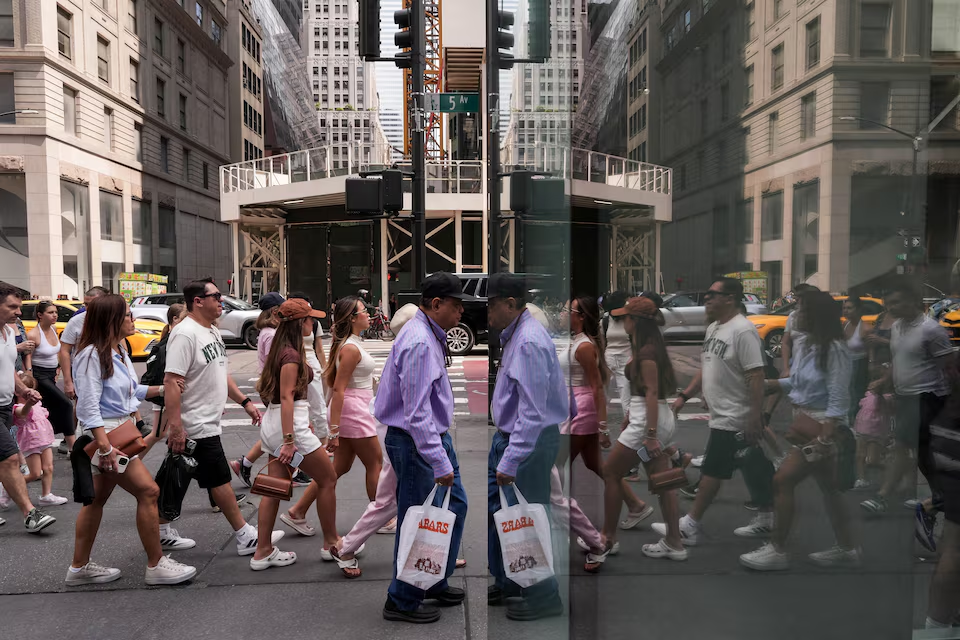
U.S. consumer sentiment showed a modest increase in January 2026, suggesting growing optimism among households. Analysts say the rise is a positive signal for spending and the overall economic outlook.
The improvement comes as Americans reported slightly lower expectations for inflation. When households feel that prices are stabilizing, they are more likely to spend on goods and services. This supports economic growth by boosting domestic demand.
Consumer confidence is a key driver of the economy, as household spending accounts for a large portion of U.S. GDP. Even small increases in sentiment can influence retail sales, travel, and services, helping businesses plan for future growth.
Economic experts noted that while the increase in sentiment is modest, it reflects a steady recovery from prior months. Rising confidence can encourage households to make major purchases, such as cars and homes, which further stimulates the economy.
The labor market continues to support consumer optimism. With steady employment and gradual wage gains, households feel more secure in their financial situation. Analysts say this stability contributes to positive sentiment and encourages continued spending.
Inflation expectations have eased slightly, helping consumers feel more comfortable with their budgets. When inflation is moderate, households retain more purchasing power, which can support sustained growth in spending.
Financial markets responded positively to the news. Improved consumer sentiment signals stronger demand for goods and services, which can benefit companies across multiple sectors, from retail to technology.
Government policies and economic signals also play a role in shaping consumer expectations. Analysts point out that clear guidance on interest rates, fiscal policies, and trade can reduce uncertainty, supporting further improvements in sentiment.
Retailers may see a direct impact from this increase in consumer confidence. With households more willing to spend, businesses could benefit from higher sales in both physical stores and online platforms. Seasonal factors, such as post-holiday spending, may also contribute to short-term gains.
Economists caution that sentiment can change quickly, influenced by global events, energy prices, and economic policy shifts. However, for January 2026, the indicators show steady optimism and a willingness among consumers to maintain spending levels.
Overall, the rise in U.S. consumer sentiment in January is a positive sign for the economy. With inflation expectations easing and households feeling more confident, consumer spending is likely to support economic growth in the coming months.
