


US Updates Policy on Advanced Tech Exports
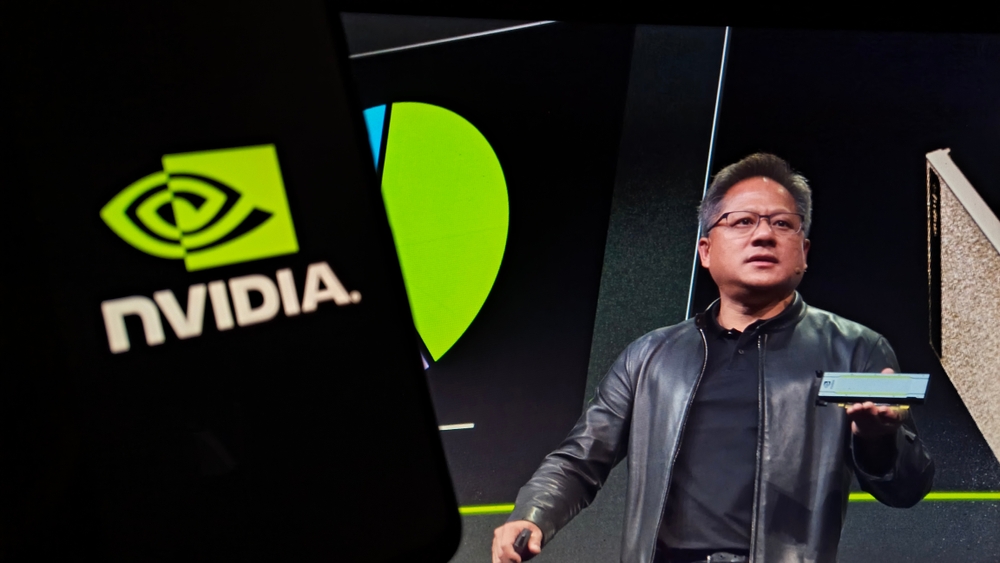
US President Donald Trump now allows Nvidia to sell its H200 AI chips to “approved customers” in China. He says the decision protects national security, supports American jobs, and maintains the US lead in artificial intelligence. The policy also applies to other US chipmakers like AMD and follows lobbying from Nvidia CEO Jensen Huang, who recently visited Washington.
Nvidia Faces Tensions Between US and China
Nvidia, the world’s leading chipmaker and most valuable company, remains caught between Washington and Beijing. The firm previously faced a ban on selling its most advanced chips to China. Trump lifted the ban in July but required Nvidia to pay 15% of its China revenue to the US government. Following this, Beijing reportedly instructed local tech firms to stop purchasing Nvidia chips produced for the Chinese market.
Industry Supports the Move
Nvidia welcomes the decision, saying it strengthens competition and protects high-paying US jobs. The company shared this statement with a major British news outlet. The H200 chip is one generation behind Nvidia’s Blackwell model, widely regarded as the world’s most advanced AI semiconductor. Jensen Huang said in September, during an interview with a prominent British broadcaster, that global users, including those in China, should access this technology. He also warns that China’s growing chip ecosystem is rapidly catching up to the US. Nvidia calls the vetted-customer plan a balanced approach benefiting America. Shares rose slightly after the announcement.
Security and Supply Chain Implications
Trump writes on social media that “25% will be paid to the United States of America.” Reporters have asked the White House for clarification, and Congress may oppose the plan. Analysts say controlled H200 sales give the US time to negotiate rare earth agreements with China and prevent global supply chain disruptions. China dominates rare earth processing, essential for electronics production. Experts note that access to H200 chips strengthens China’s tech sector but will not stop Beijing from reducing dependence on US suppliers.
Military Use Sparks Concern
Observers note that Beijing previously encouraged local firms to reject Nvidia’s older H20 chips and adopt domestic alternatives. Researchers at Georgetown University’s Center for Security and Emerging Technology warn that China’s military already uses advanced US-designed chips to develop AI-enabled systems. Analyst Cole McFaul says easier access to high-end chips helps China deploy AI systems for military purposes and gain battlefield advantages.
