


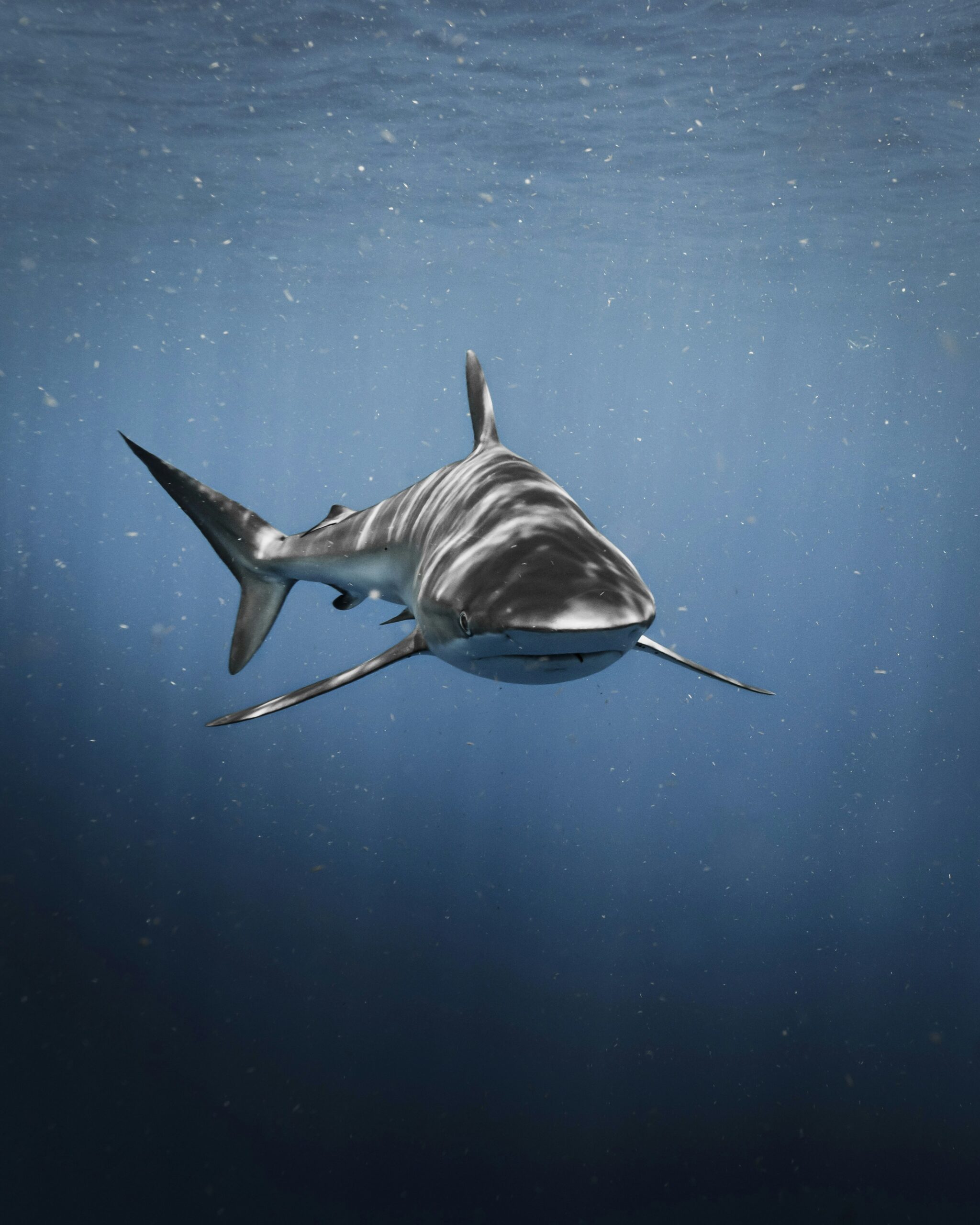
A new study suggests ocean acidification could erode sharks’ teeth, impairing their ability to hunt and destabilising marine ecosystems. Shark jaws constantly replace lost teeth, but increased acidity may accelerate damage beyond replacement rates. Researchers tested 60 discarded blacktip reef shark teeth in tanks simulating current ocean pH (8.1) and future projections (7.3). After eight weeks, the more acidic tank caused roughly twice as much damage, including root corrosion and altered serration.
Lead author Maximilian Baum of Heinrich Heine University warned that weakened teeth, combined with prey shortages from overfishing, could threaten shark survival. Ocean acidification, caused by CO₂ absorption, is projected to lower ocean pH significantly by 2300. While sharks may adapt by increasing tooth replacement, some species with fewer rows or slower replacement rates may be especially vulnerable. Experts note further research is needed to confirm whether corroded teeth remain functional for cutting and puncturing prey. Reducing CO₂ emissions remains key to protecting sharks and marine ecosystems.
