


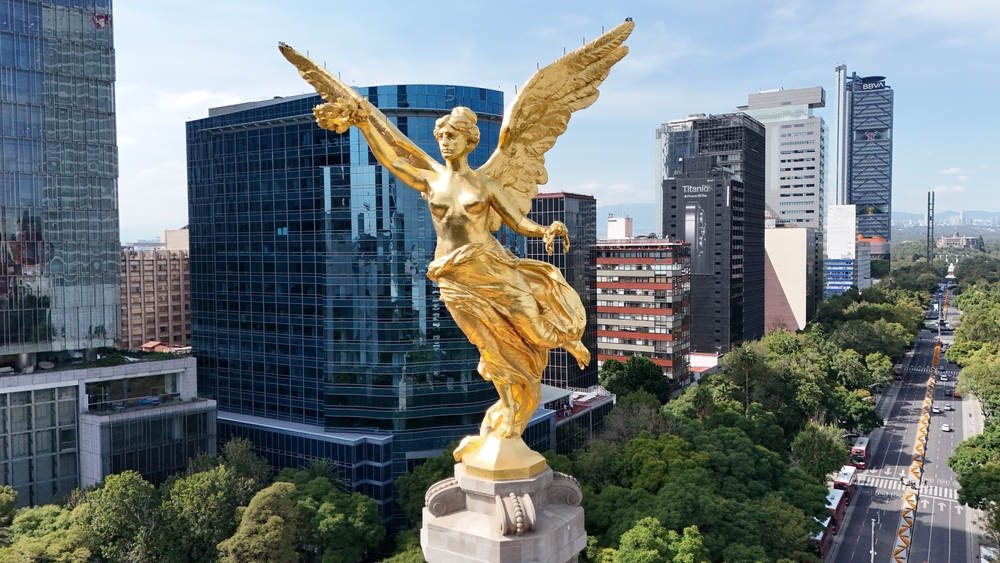
Thousands of young people filled Mexico City streets on Saturday, protesting corruption, violence, and government inaction. The demonstrations spread across 52 Mexican cities and several international locations, including the United States, Canada, Germany, and the Netherlands. The march ended in the Zócalo with violent clashes, injuring 20 civilians and over 100 police officers, and resulting in roughly 20 arrests.
The movement ignited after the 1 November assassination of Uruapan mayor Carlos Manzo, who had repeatedly urged the federal government to combat organized crime in Michoacán. His death became a symbol for youth disillusioned with a system that ignores citizens’ demands.
Students, professionals, community leaders, and opposition party members joined the march. They carried banners, chanted slogans, and demanded systemic change. Mexico City Security Secretary Pablo Vázquez confirmed the injuries and arrests, noting authorities are investigating those responsible for the violence.
From Peaceful Protest to Violent Clashes
The march remained calm until reaching the Zócalo, where a group identified as the “black bloc” broke through protesters and attacked the National Palace’s protective barriers. They used stones, hammers, and sticks, prompting a police response with tear gas and fire extinguishers.
Emergency crews treated 60 officers on site and transported 40 to hospitals, four requiring specialized care. Paramedics assisted 20 civilians injured during the clashes.
Authorities processed those arrested for violent acts and administrative offenses. Investigators are reviewing footage to identify all participants responsible for criminal actions.
President Claudia Sheinbaum urged protesters to demonstrate peacefully, condemning violence. She also downplayed the scale of the movement, claiming that few young people participated, despite large crowds filling Mexico City’s avenues.
Generation Z Demands a New Political Culture
Mexico’s Generation Z positions itself as civic-minded, independent, and non-partisan. Their slogan reads: “We are not left or right; we are citizens demanding accountability.”
Before the march, the group published a 12-point action plan that reimagines governance and civic engagement. Key priorities include:
- Citizen oversight boards to review public policies and hold officials accountable.
- Transparent digital platforms allowing communities to track government spending in real time.
- Mechanisms enabling citizens to propose and vote on local initiatives independently.
- Rapid response teams for investigating corruption and misconduct in public office.
- Strengthened local security councils managed by community representatives instead of military forces.
- Programs ensuring access to education, job training, and skill development for youth.
- Measures to protect housing rights and prevent displacement in urban areas.
- Independent review panels to oversee elections, appointments, and public contracts.
- Mandatory environmental impact assessments for public projects with citizen review.
- Open forums for dialogue between citizens and policymakers on social and economic policies.
- Civic mentorship programs pairing ethical leaders with young activists.
- National consultation processes allowing citizens to expand or revise priorities collaboratively.
Generation Z protests mirror movements worldwide in Nepal, Mongolia, Togo, Madagascar, Morocco, Paraguay, Peru, Bangladesh, and Indonesia. Young digital natives use social media platforms such as TikTok, Instagram, and X to mobilize rapidly, bypassing traditional media outlets.
The protests reflect shared frustrations: government corruption, economic stagnation, declining living standards, and limited opportunities. In some countries, youth movements have forced political change. In Mexico, Generation Z seeks not only reforms but a new culture of governance—one rooted in transparency, accountability, and citizen empowerment.
