


EU Prepares Full Ban on Tanker Services
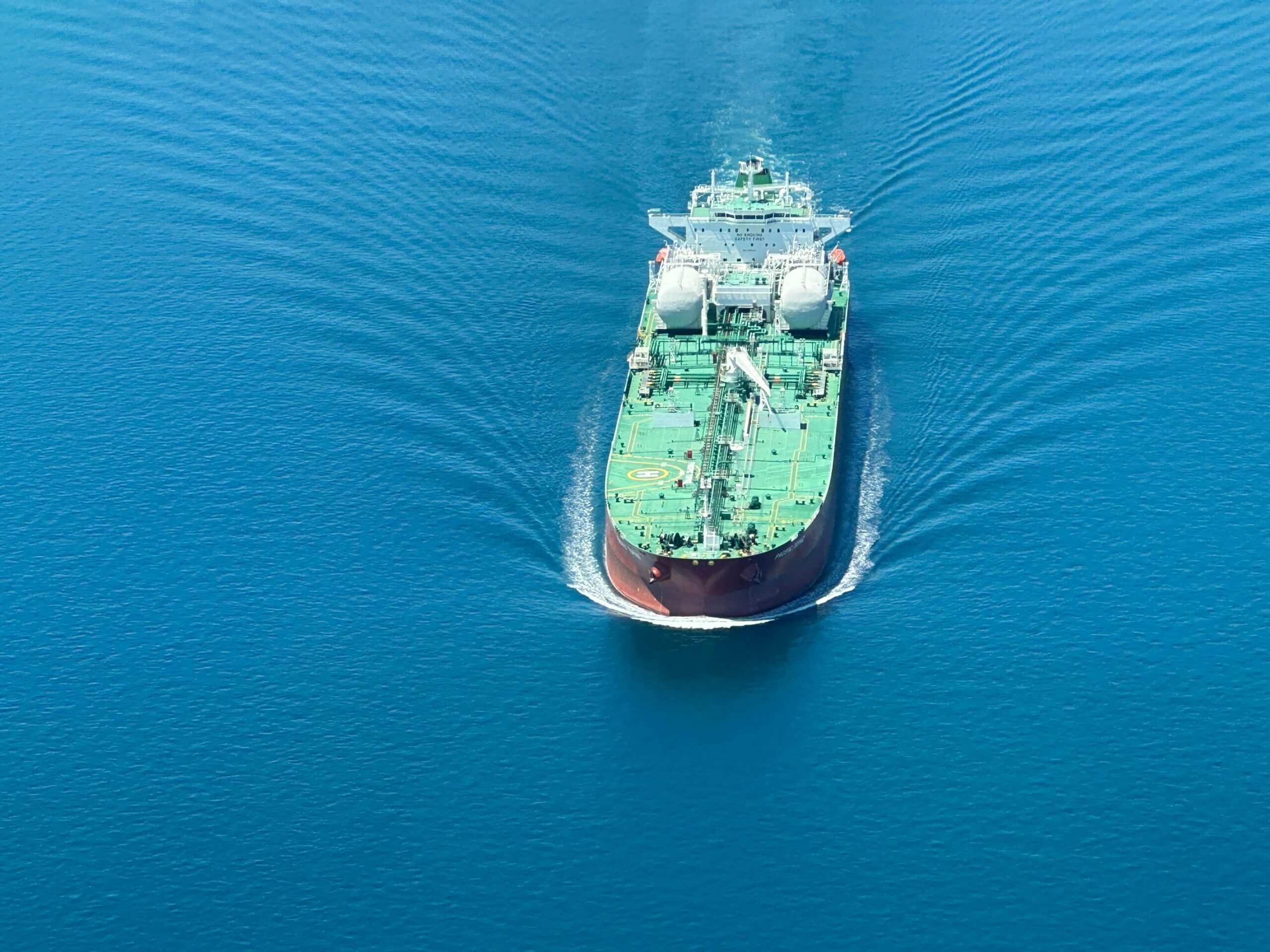
The European Union is signaling that it may move forward with a complete ban on maritime services for Russian oil tankers, even if G7 partners cannot agree on a coordinated approach. Valdis Dombrovskis, speaking after a meeting of EU finance ministers in Brussels, stressed that while alignment with the G7 is preferable, it is not an “absolute precondition” for action.
The measure is part of the EU’s 20th package of sanctions against Russia, expected to be approved by 24 February — the fourth anniversary of Russia’s full-scale invasion of Ukraine. If enacted, EU companies would be prohibited from servicing Russian tankers, effectively ending the G7 price cap on Russian oil within the bloc, regardless of the price of Urals crude, currently set at $44.10 per barrel.
Allies Hesitant as Negotiations Continue
It remains unclear how many G7 members are willing to mirror the EU’s approach. The governments of United Kingdom, Canada, and Australia have acknowledged the EU’s proposal and said discussions are ongoing to coordinate pressure on Russian energy revenues. The United States and Japan have not responded.
Within the EU, some member states have raised concerns. Greece, which has a major shipping industry, worries that a unilateral ban could boost competitors in India and China, strengthen Russia’s “shadow fleet,” and encourage vessels to switch registries, a practice known as deflagging. Swedish Finance Minister Elisabeth Svantesson emphasized the importance of decisive action, noting that while broader alignment is ideal, the EU must act if necessary.
Anti-Circumvention Tool Targets Kyrgyzstan
A key feature of the sanctions package is the first use of the EU’s Anti-Circumvention Tool, designed to prevent the re-export of EU-made machinery and radio equipment to Russia. This has drawn attention to Kyrgyzstan, which shares a customs union with Russia and is suspected of acting as a back channel for blacklisted goods. EU exports to Kyrgyzstan have surged from €263 million in 2021 to €2.5 billion in 2024, much of it machinery and transport equipment feared to be redirected to Russia and repurposed for military use in Ukraine.
EU ambassadors will continue negotiations throughout the week to try to finalize the sanctions by the 24 February deadline, though some diplomats caution the timeline may need to be extended to achieve the most effective outcome.
