


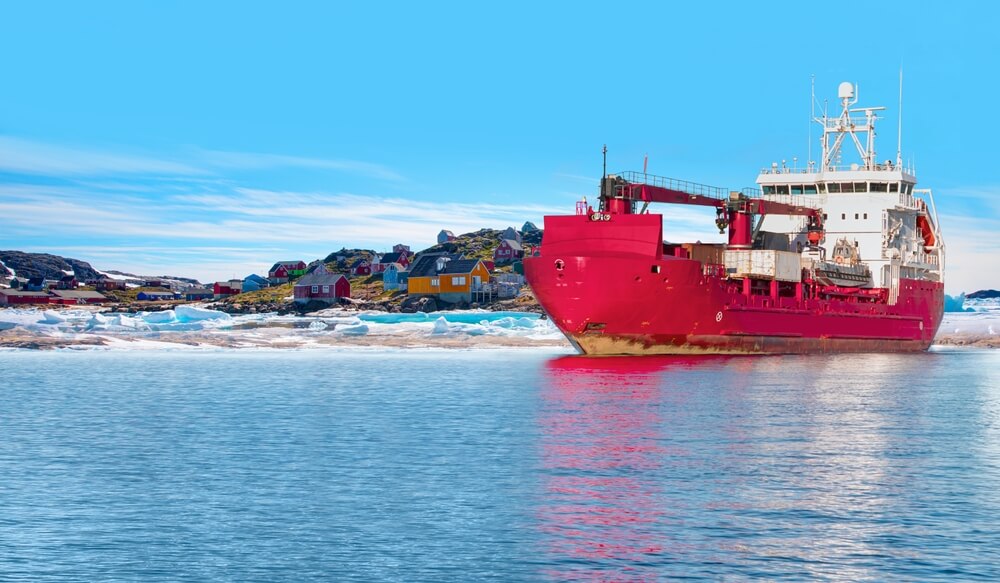
Melting Ice Opens New Routes — and New Risks
Rising global temperatures are rapidly shrinking Arctic sea ice, opening shipping routes that were once locked in ice year-round. As more vessels move through these waters, a troubling side effect has emerged: a surge in black carbon pollution. This soot, released mainly from ship exhaust, settles on snow and ice, darkening the surface and causing it to absorb more heat from the sun. The result is faster melting in a region that is already warming quicker than anywhere else on the planet.
“It becomes a self-reinforcing loop,” says Sian Prior of the Clean Arctic Alliance. “More melting leads to more shipping, which leads to more pollution, and even more warming.” Despite its impact, black carbon remains largely unregulated in Arctic waters.
A Push for Cleaner Fuels Faces Political Headwinds
Several countries, including France, Germany and Denmark, are now calling for ships operating north of the 60th parallel to switch to so-called “polar fuels,” which are cleaner and emit far less black carbon than the heavy residual fuels still widely used today. The proposal is being discussed at meetings of the International Maritime Organization (IMO), the UN body that oversees global shipping.
Progress, however, has been slow. A ban on heavy fuel oil introduced in 2024 has had limited effect due to exemptions that allow some ships to keep using it until 2029. At the same time, broader efforts to cut shipping emissions have been bogged down by geopolitics. Climate measures at the IMO were delayed after strong opposition from the United States under former President Donald Trump, pushing environmental concerns down the agenda as debates over security and Arctic influence took center stage.
Traffic and Pollution Are Rising Fast
Shipping activity in the Arctic has grown sharply over the past decade. Between 2013 and 2023, the number of ships entering Arctic waters jumped by 37%, while the total distance traveled more than doubled. Black carbon emissions have climbed alongside it, rising from about 2,700 tonnes in 2019 to over 3,300 tonnes in 2024. Fishing vessels account for the largest share of that pollution.
Environmental groups argue that tightening fuel standards is the only realistic way to cut emissions, since limiting ship traffic outright is unlikely given the economic incentives. Arctic routes can shave days off voyages between Asia and Europe, even if they remain risky and navigable for only part of the year. Some companies, citing both environmental and safety concerns, have pledged to stay away. Still, without firm rules on cleaner fuels, campaigners warn the Arctic’s fragile ice — and the global climate systems it helps regulate — will continue to pay the price.
