


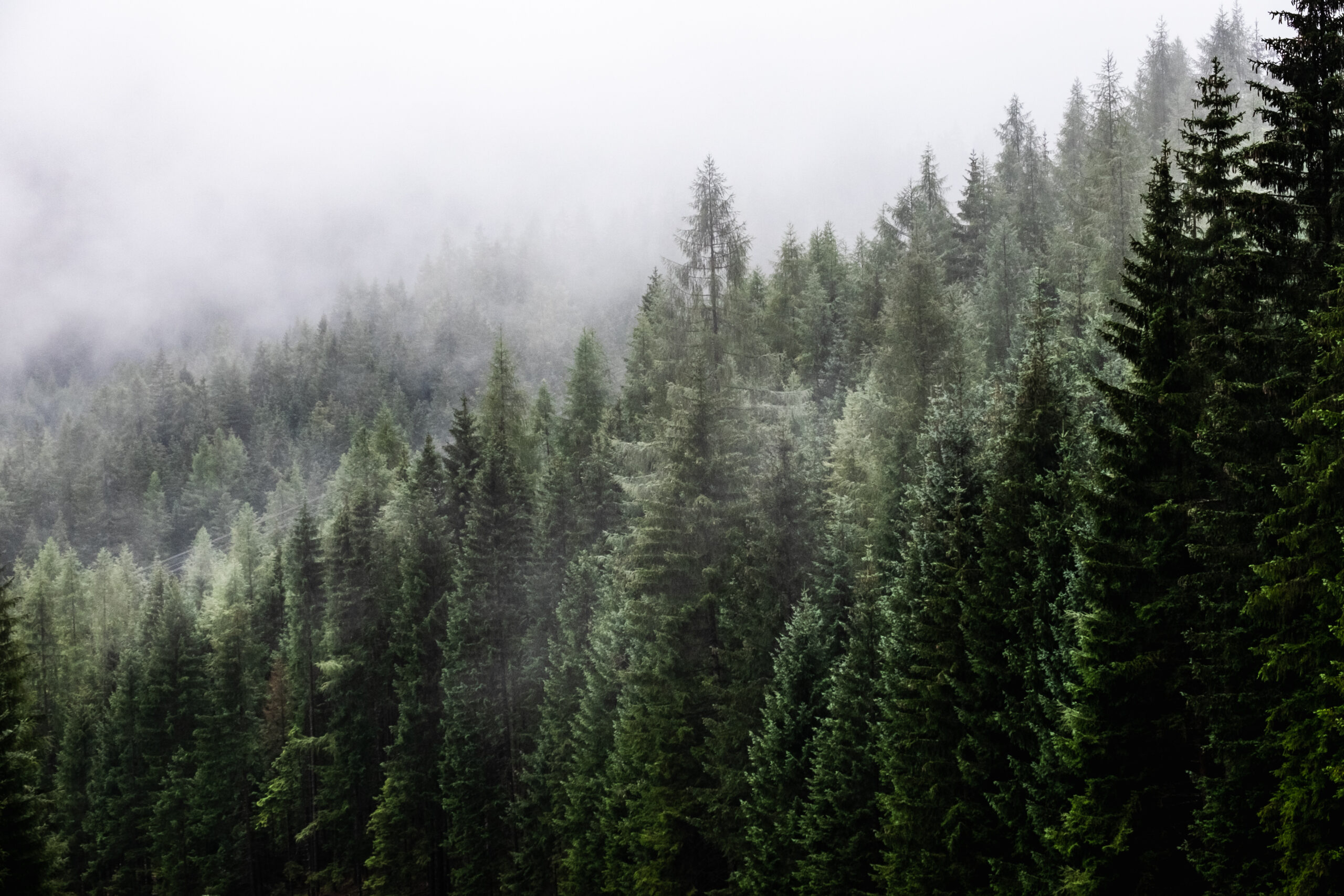
In the mountains of the southern Peloponnese, Greek firs – long considered among the country’s hardiest trees – are turning brown and dying in vast patches. When forest researcher Dimitrios Avtzis inspected a recent fire site, he found hundreds of hectares of dead and dying firs well beyond the burn zone. The scale was unlike anything he had seen before.
Experts say the die-off is being driven by multiple pressures acting together. Prolonged drought has weakened the trees, while declining winter snowfall has reduced vital moisture in soils. This stress has left firs vulnerable to bark beetles, which have spread rapidly over the past two years, attacking trees’ internal water and nutrient systems. Once beetle populations surge, controlling them becomes extremely difficult.
Similar outbreaks are now being seen across southern Europe, suggesting the problem is not local but part of a broader ecological shift linked to climate breakdown. While Mediterranean forests can regenerate after fire, recovery is slow and uncertain under these new conditions.
Researchers say urgent government action and funding are needed to protect high-altitude forests. “We have the knowledge and the scientists,” Avtzis said. “What we’re seeing now will only become more frequent and more intense if we don’t act.”
