


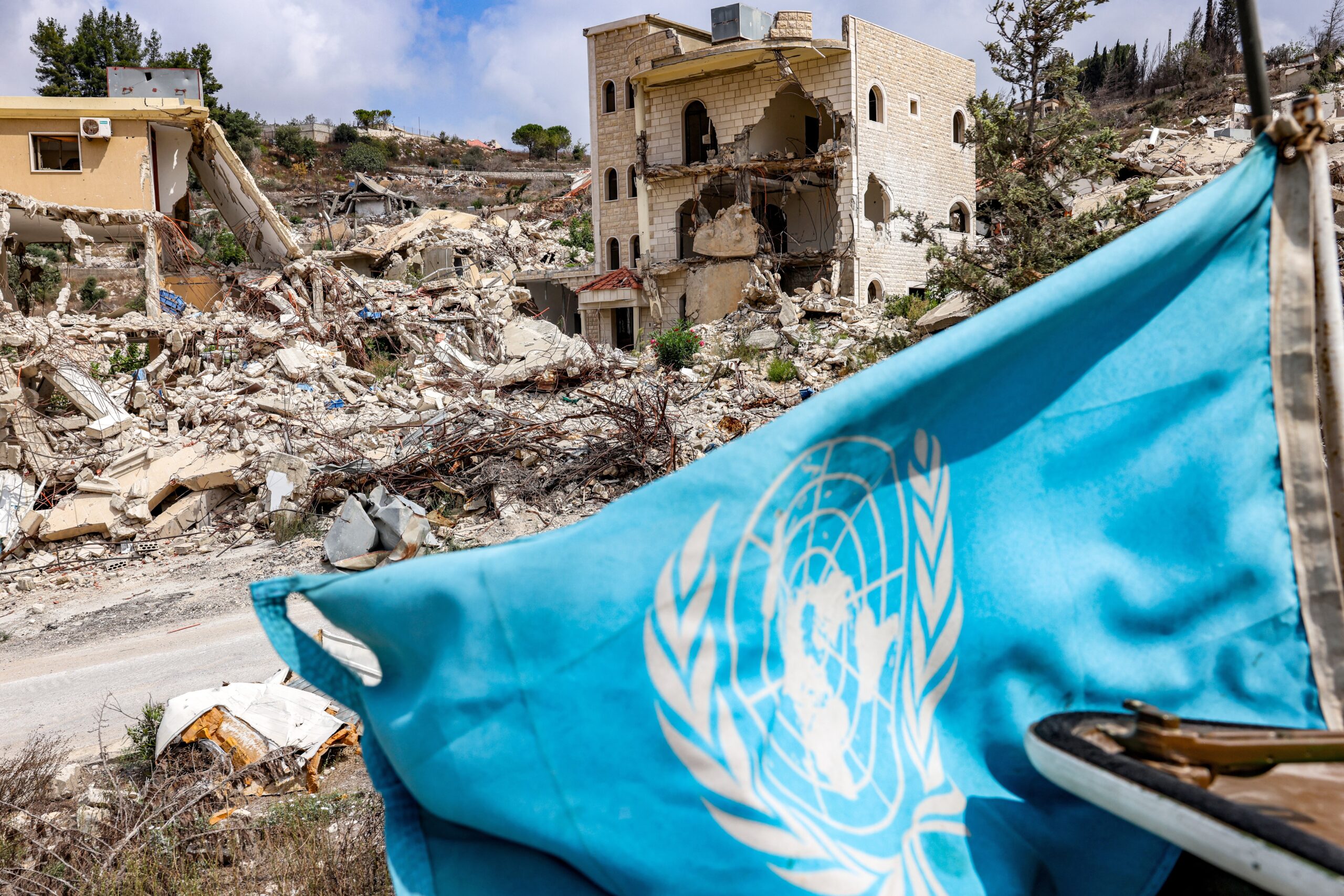
As the world enters August 2025, a series of pressing challenges have captured global attention. Analysts and policymakers point to economic uncertainty, climate-related risks, political instability, and social issues as the primary factors shaping international concern.
Economically, signs of a slowdown are emerging in major economies. Rising inflation, slower job growth, and moderating consumer demand are contributing to financial uncertainty. Countries are grappling with balancing monetary policy to control inflation while supporting growth, and financial markets are reacting cautiously to these developments. Economists warn that prolonged economic weakness could exacerbate inequality and strain public services.
Climate risks continue to dominate global concerns August 2025. Extreme weather events, including hurricanes, floods, and heatwaves, have intensified in frequency and severity, causing disruption to communities, agriculture, and infrastructure. Experts emphasize that without accelerated climate action and international cooperation, these challenges could undermine economic stability and human well-being worldwide.
Political instability is also a significant worry. Geopolitical tensions, internal unrest, and elections in key nations are creating uncertainty in regional and global governance. Analysts note that unresolved conflicts, disputes over resources, and international policy disagreements can amplify risks to security and trade. Coordination among global actors is critical to managing these tensions effectively.
Social challenges, including migration pressures, inequality, and declining trust in institutions, are contributing to broader instability. Rising concerns about public health, education access, and social cohesion are prompting governments and organizations to adopt comprehensive strategies to address societal vulnerabilities. Experts highlight the importance of proactive policy measures to reduce social tension and enhance resilience.
Technological innovation offers both opportunities and concerns. While advancements in renewable energy, artificial intelligence, and communication technologies have the potential to boost economies and improve living standards, they also raise questions about security, ethics, and equitable access. Policymakers are tasked with leveraging innovation while mitigating risks associated with rapid technological change.
Public health remains a global priority. Recent data indicates that while major pandemics have receded, emerging infectious diseases, climate-related health risks, and unequal access to healthcare continue to threaten populations. International collaboration, preventive strategies, and investment in health infrastructure are essential to maintaining global well-being.
Financial markets have reflected the combination of economic, political, and environmental uncertainty. Investors are closely tracking inflation, interest rates, and geopolitical developments to assess risks and anticipate future trends. Volatility across equities, bonds, and commodities underscores the fragility of global financial confidence in August 2025.
Migration and displacement also feature prominently among global concerns August 2025. Conflicts, climate events, and economic pressures are driving population movements, prompting debates on humanitarian support, border management, and integration policies. Experts argue that addressing root causes while providing protection is essential to prevent crises from escalating.
Education and workforce development are increasingly seen as key to resilience. Countries are focusing on training, skill-building, and lifelong learning programs to equip citizens for rapidly changing labor markets and to reduce inequality. Investment in human capital is essential for long-term stability and competitiveness.
In conclusion, global concerns August 2025 reflect a complex web of economic, climate, political, and social pressures. Governments, organizations, and individuals face the challenge of navigating interconnected risks while fostering sustainable growth, security, and well-being. Proactive policy, international cooperation, and adaptive strategies are essential to address these multifaceted challenges effectively.
This overview underscores the importance of monitoring trends, responding to emerging risks, and prioritizing global collaboration. How the world addresses these concerns in the coming months will significantly shape economic stability, political security, and social resilience in 2025 and beyond.
