


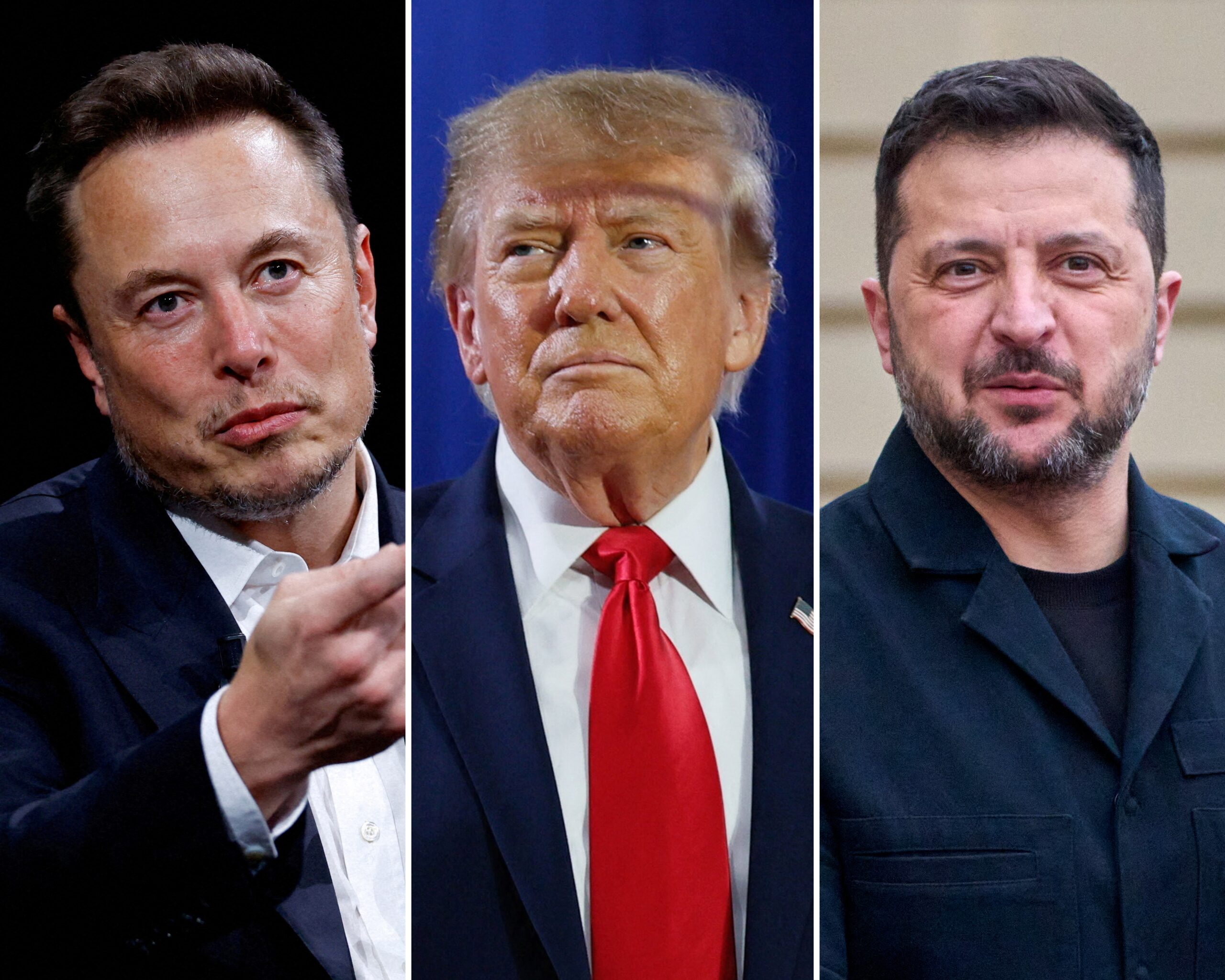
A dispute over Ukraine’s access to Starshield has raised questions about who controls the service and who is responsible for its restrictions. US President Donald Trump, SpaceX chief Elon Musk and Ukrainian President Volodymyr Zelenskyy have offered different accounts of the changes. The disagreement comes as Ukraine relies on satellite communications to support military operations and defend against Russian attacks.
Ukrainian officials say restrictions on Starshield have disrupted some drones used to strike targets behind Russian frontlines. They also say the changes have affected air defence systems used to counter Russian attacks. The impact has raised concerns about military readiness and the safety of people across Ukraine.
Trump said on Thursday that the service had returned to full speed. However, a European official speaking to the Associated Press disputed that claim, saying Starshield was not fully functioning. Zelenskyy also said that full service had not yet been restored for Ukraine before Trump made his statement. The conflicting accounts have left uncertainty over the system’s status.
Trump initially denied involvement in the restrictions. Speaking to reporters the previous Friday, he said he did not know who was responsible but believed neither he nor Musk had ordered the changes. Secretary of State Marco Rubio later said that neither Trump nor anyone in the US government had requested changes to the system.
Rubio also stressed that Starlink and Starshield were private services operated by Musk’s company. He said Trump did not run SpaceX and could not direct its decisions. His comments appeared to place responsibility for service decisions with the company rather than the White House.
However, a report published by The Wall Street Journal on Thursday said Trump had asked Musk to restore the service. Trump later told reporters that the system was back, although he declined to say whether he had spoken directly with Musk. He appeared to suggest that Musk had ultimately restored access, saying that the billionaire had put the service back.
Republican Senator John Cornyn offered another view. He said he did not believe Musk would have acted without at least the White House’s approval. His remarks added to questions about how closely the administration was involved in decisions affecting Ukraine’s access.
Musk has also rejected claims that he was solely responsible. He has supported Trump’s calls for Zelenskyy to be replaced and has repeatedly criticised the Ukrainian leader. Yet, when the Starshield restrictions became public, Musk argued that the systems were owned and controlled by the US government. He said decisions about speed and usage were made by the US military and ultimately rested with the president.
A separate Wall Street Journal report published on Tuesday said Musk had ordered Starshield to be slowed down. Sources cited in the report disagreed over whether he had acted together with Trump. The conflicting reports have made it difficult to establish who made the final decision.
Vice-President JD Vance defended Musk on Thursday, arguing that the billionaire did not want to become involved in a war between two countries without clear direction from the US government. Vance said the central issue was Washington’s policy toward Russia and Ukraine, rather than Musk personally.
Zelenskyy has placed responsibility on both SpaceX and the United States. Last Wednesday, he warned that the restrictions could lead to more casualties. He also said the service continued to operate without similar restrictions in European Union countries, while Ukraine faced limits. He described the situation as a planned operation.
Over the weekend, Zelenskyy said the American government had sent a message to limit Starshield’s speed and that SpaceX had carried out the technical changes. He also expressed hope for talks with Rubio in the coming days.
The disagreement has unfolded alongside reports of rising civilian casualties in Ukraine. It has also coincided with strained relations between Washington and Kyiv. Trump has criticised Ukraine’s attacks on Russian oil refineries, arguing that they have contributed to higher diesel costs for Americans. However, analysis cited in the original report found that the US-Israel war on Iran and limits on oil exports from the Gulf may have had a greater effect on global diesel supplies.
For now, the Ukraine Starlink dispute remains unresolved. Trump says service has returned, while Ukrainian and European officials have questioned whether full access is available. The public accounts from Trump, Musk and Zelenskyy differ on who ordered the restrictions and who had the power to reverse them. Until those questions are answered, uncertainty over Starshield access remains a concern for Ukraine’s military communications and defence operations.
