


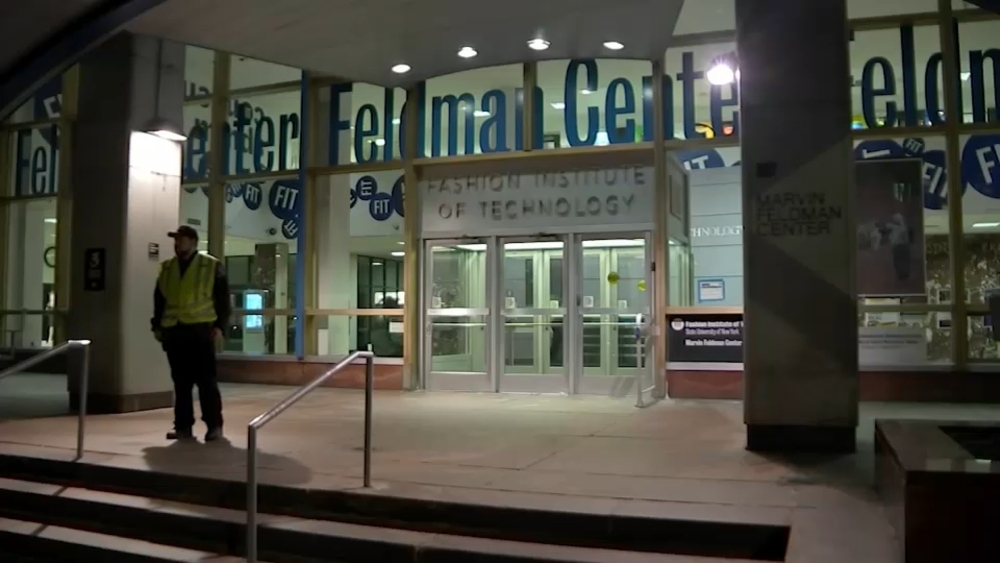
Two teenagers are facing federal charges over a fentanyl overdose that killed a college student in New York City and left another student seriously ill. Prosecutors say the pair supplied the drug that led to the death of Annabel Richter at the Fashion Institute of Technology in March.
According to a newly unsealed indictment, Moises Freire, 19, brought the substance to the students’ dormitory on March 18. Prosecutors allege that he obtained it from Brian Peralta, 18. Both suspects are from Queens.
Officials said Freire told the two women that the substance was pure cocaine and did not contain fentanyl. Prosecutors allege that he encouraged them to take it. Soon after ingesting the drug, both women lost consciousness.
Investigators later found that the substance contained fentanyl and no cocaine. Toxicology tests confirmed that both students had taken the powerful synthetic opioid.
While the women were unconscious, Freire allegedly sexually assaulted Richter in her dorm room. Prosecutors also allege that he took photographs of her and sent them to friends.
Authorities say Freire waited about 45 minutes before seeking help from campus security. When he finally contacted staff, he reportedly claimed that the two students had consumed too much alcohol.
Campus security responded and provided emergency treatment, including Narcan, a medicine used to reverse opioid overdoses. Both women were taken to hospitals in Manhattan for further care.
The second student survived after receiving life-saving treatment. Richter remained in critical condition but later died from complications linked to acute fentanyl intoxication.
Federal prosecutors say the case involves both the alleged distribution of a deadly drug and a sexual assault against a person who had been left unable to defend herself.
US Attorney Jamie McDonald said the charges describe the supply of fentanyl to two young women and the alleged assault of one victim after she became incapacitated. McDonald said prosecutors would work to hold accountable those accused of putting young people at risk on college campuses.
Christopher Roberts, head of the Drug Enforcement Administration’s New York Task Force Division, also condemned the alleged conduct. He said the case involved deception about the drug and an alleged assault.
Roberts said students should be able to attend college, learn and live on campus without fear that someone will exploit their vulnerability. He added that safety should extend across campus grounds, classrooms and student residences.
Freire and Peralta are charged with conspiracy to distribute a controlled substance resulting in death. If convicted, they face a prison sentence of at least 20 years, according to the charges described by prosecutors.
Freire faces an additional charge of distributing a controlled substance with the intent to commit rape. The allegations against both men will be addressed through the federal court process.
The case highlights the risks posed by fentanyl, a potent synthetic opioid that can cause a fatal overdose in small amounts. The drug can be mixed with or sold as another substance, leaving users unaware of what they are taking.
The students reportedly believed they had been given cocaine. However, toxicology tests found fentanyl and no cocaine in their systems, according to prosecutors. The results became a key part of the investigation into the incident.
The alleged delay in seeking medical help is also central to the case. Emergency treatment can be critical during an opioid overdose, and Narcan can reverse the effects of opioids when given in time. The second student survived after receiving treatment, while Richter later died.
Prosecutors have not yet presented the allegations at trial. The indictment outlines the government’s claims, and the defendants are presumed innocent unless proven guilty in court.
As the case moves forward, federal authorities will seek to establish how the drug was supplied, what happened inside the dormitory and whether the charges can be proved. The investigation has raised serious concerns about drug safety and the protection of students in college housing.
