


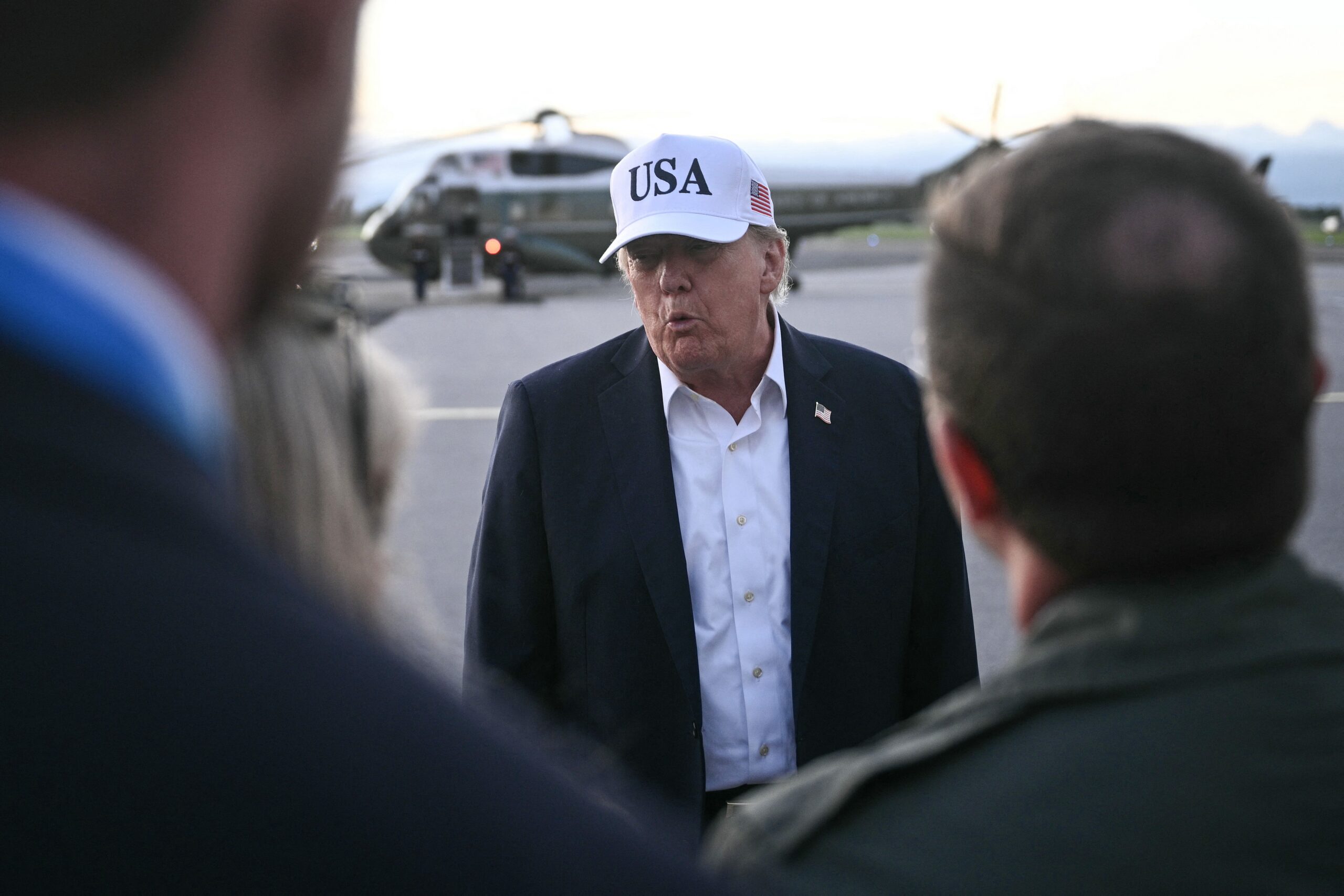
President Donald Trump announced plans to appoint a new artificial intelligence adviser and create an AI force, signaling a fresh step in his administration’s approach to the fast-growing technology sector.
Trump shared the plan in a social media post on Saturday. He called for a new AI czar and an AI force but did not explain how either would work. He also did not provide details on when the initiatives might begin or what authority they would have.
The announcement comes as artificial intelligence remains a major topic in Washington. Policymakers, industry leaders, and researchers continue to debate how the technology should be developed and regulated. Questions about safety, security, and economic impact have become central to discussions about the future of AI.
In his post, Trump stressed that his administration would support the growth of the artificial intelligence industry. He said the government should encourage innovation rather than create barriers that could slow progress.
Trump wrote that the United States should help the AI industry grow and succeed. At the same time, he said harmful actions involving AI could be handled through existing criminal and civil laws. He argued that new regulations are not necessary to address potential problems.
The president has long maintained that heavy regulation could weaken the United States in the global technology race. He has repeatedly said that American companies need flexibility to compete with foreign rivals, especially as competition in advanced technologies becomes more intense.
The proposed appointment would mark Trump’s second AI czar. Venture capitalist David Sacks previously served in the role. Sacks stepped down earlier this year and later moved into an outside advisory position.
Like Trump, Sacks has expressed doubts about the need for additional federal AI regulations. During a public discussion this week, he said developers should be responsible for the products they create. He argued that companies can be held accountable if their systems cause harm and that existing legal structures already provide ways to address many concerns.
Trump’s latest comments arrive during a period of growing concern about the future impact of artificial intelligence. Some lawmakers have called for stronger oversight as AI systems become more powerful and more widely used across industries.
Researchers and safety experts have also raised questions about potential risks. Concerns include misinformation, cybersecurity threats, job disruption, and the possibility of advanced systems acting in unexpected ways.
Earlier this month, former AI researcher Jacob Coxon warned about long-term risks linked to artificial intelligence. He said some people working in the field believe advanced AI systems could eventually pose serious dangers. His remarks added to an ongoing debate over how much oversight governments should apply to the technology.
Supporters of limited regulation argue that innovation moves best when companies have room to experiment and develop new products. They say strict rules could slow progress and reduce the ability of American firms to remain leaders in the global market.
Safety advocates take a different view. They argue that safeguards should be in place before more advanced systems are widely deployed. Many believe governments need to play a larger role in setting standards and reducing risks.
The White House did not immediately provide further information about Trump’s proposal. Questions remain about the structure of the AI force and the responsibilities that would be assigned to the new AI adviser.
The announcement also comes at an important moment in relations between the United States and China. Trump is scheduled to meet Chinese President Xi Jinping later this week. Artificial intelligence is expected to be one of the key issues discussed as both countries seek leadership in advanced technologies.
Washington and Beijing see AI as critical to future economic growth, scientific progress, and national security. Competition between the two powers has increased as governments and private companies invest heavily in new AI systems and infrastructure.
In a related development, U.S. Treasury Secretary Scott Bessent is expected to meet Chinese Vice Premier He Lifeng in New York. The talks are expected to cover trade, economic issues, and AI security.
While many details of Trump’s proposal remain unknown, the announcement highlights the growing importance of artificial intelligence in government policy. As global competition intensifies, decisions about AI development and oversight are likely to remain at the center of political and economic discussions in the months ahead.
