


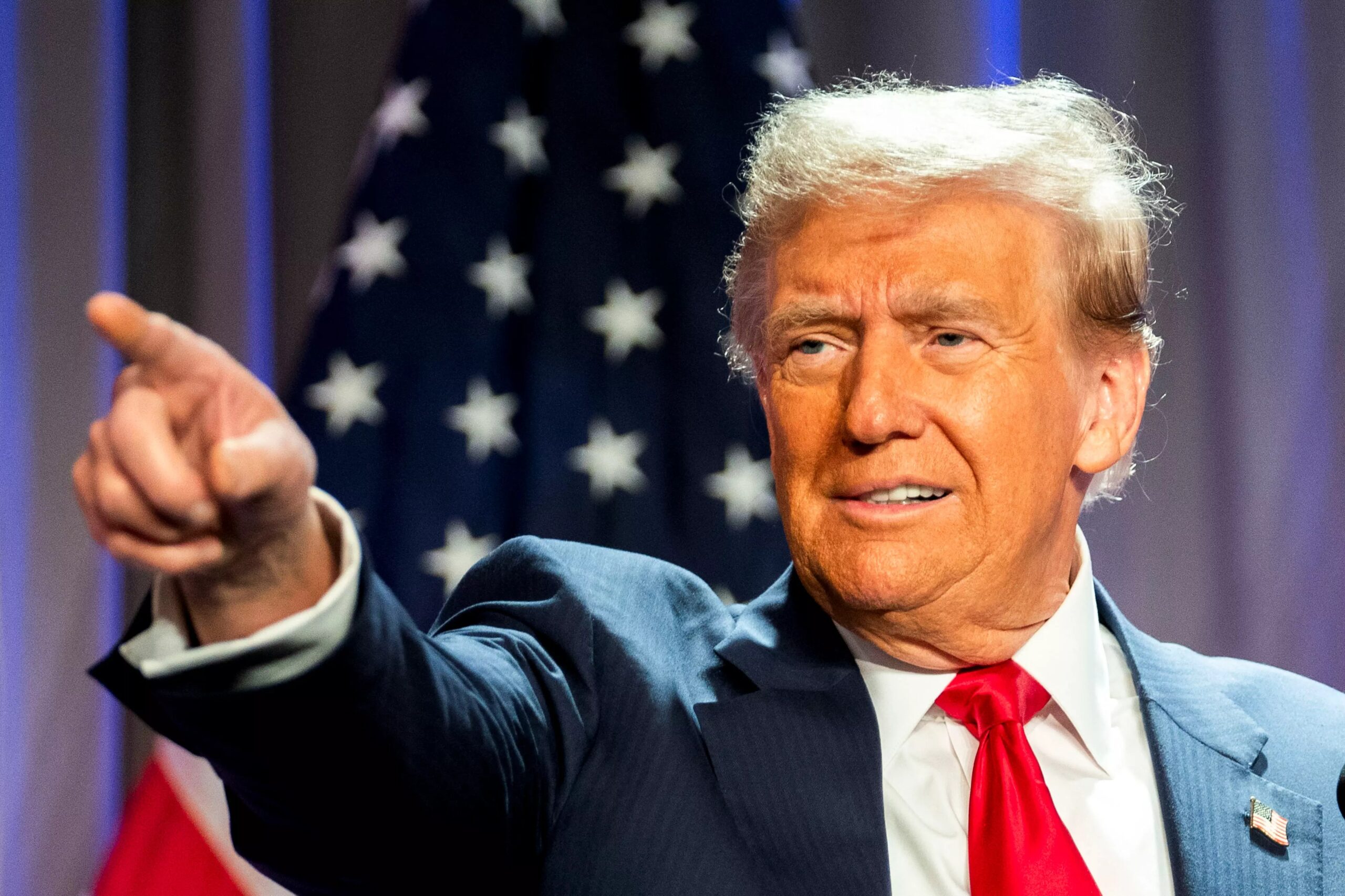
President Donald Trump on Monday called for bipartisan action to support the American movie and television industry through new tax incentives. The proposal aims to help bring production jobs back to the United States after years of projects moving to other countries.
In a message posted online, Trump said meetings were being arranged with leaders from both major political parties to discuss legislation that would support the entertainment sector. He urged lawmakers to work together on a plan designed to strengthen domestic film and television production.
Trump said the issue should receive support from both Republicans and Democrats because many jobs and large amounts of investment have left the United States. He pointed to California and other states that have seen production activity decline as companies increasingly choose to film overseas.
The president said he would encourage members of both parties to quickly develop legislation that could help protect and grow the movie, television, and entertainment business in America. His proposal focuses on tax incentives rather than new restrictions on foreign competition.
The entertainment industry has faced growing pressure in recent years as countries such as Canada, the United Kingdom, and Australia expanded programs that offer financial incentives to attract film and television projects. These programs often reduce production costs and have encouraged studios to move work outside the United States.
Trump’s latest comments suggest a shift toward encouraging domestic production through economic incentives. The idea has received support from people across the political spectrum as concerns grow about the loss of jobs in the industry.
The president indicated that actor Jon Voight played an important role in shaping his views on the issue. Voight, a longtime supporter of Trump, has advised the administration on entertainment-related matters and has been involved in discussions about ways to strengthen the industry.
According to Trump, Voight helped bring attention to challenges facing American film and television production. The president previously met with the actor before discussing policies related to overseas film production.
The proposal quickly gained support from several Democratic lawmakers despite their frequent disagreements with Trump on other issues. The response highlighted the broad concern about maintaining film and television jobs in the United States.
Senator Adam Schiff of California said he agreed with the need for federal action. He called for Congress to move forward with a national film tax incentive program and said such a measure could help restore jobs that have been lost to foreign competitors.
Schiff said lawmakers from both parties should work together to strengthen the domestic entertainment industry and create opportunities for workers involved in film and television production.
Representative Laura Friedman of California also welcomed the proposal. She said discussions about a national tax credit have been taking place for more than a year among lawmakers, industry leaders, unions, producers, and other stakeholders.
Friedman argued that the United States continues to have some of the best film and television crews in the world. She said federal incentives could help keep those workers employed in the country rather than seeing jobs move overseas.
Industry leaders also reacted positively to the proposal. The Motion Picture Association, which represents major film studios, expressed support for a federal incentive program designed to increase domestic production.
The organization said American studios, actors, and production crews have long created content that reaches audiences around the world. It argued that a national incentive could encourage more projects to take place in communities across the country.
Supporters believe the proposal could boost local economies, create jobs, and strengthen the nation’s position as a global center for entertainment production. They also argue that increased filming activity could generate additional tax revenue through economic growth.
Trump did not provide detailed financial plans for the proposed incentives. However, he predicted that the economic benefits would outweigh the costs. He said the investment made through tax incentives would be recovered many times over through increased economic activity and higher government revenue.
The proposal remains in its early stages, but support from lawmakers and industry representatives suggests the idea could become a significant topic of discussion in Congress. As talks move forward, both parties will likely examine how federal incentives could help restore production jobs and strengthen the future of the American entertainment industry.
