


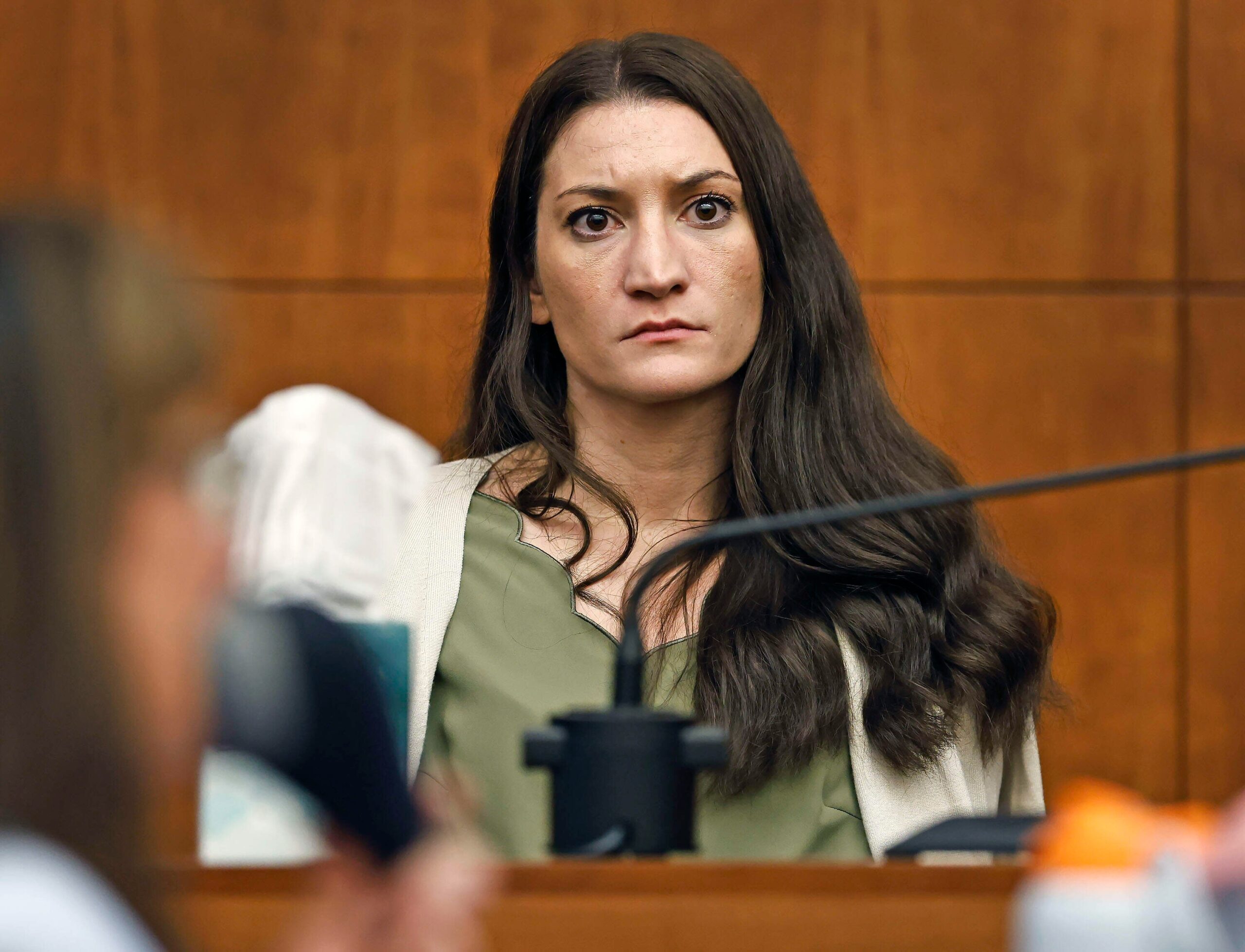
The Lindsay Clancy Trial continued this week with testimony from key prosecution experts as the closely watched Massachusetts case moved closer to jury deliberations.
Prosecutors and defense attorneys remain divided over one central question: whether Lindsay Clancy was legally responsible for the deaths of her three children or whether severe mental illness prevented her from understanding her actions.
The case stems from the deaths of Clancy’s children, Cora, 5, Dawson, 3, and Callan, 8 months, at the family’s home in Duxbury on Jan. 24, 2023.
According to prosecutors, Clancy intentionally killed the children after sending her husband, Patrick Clancy, out on errands. They argue that she was aware of her actions and should be held accountable under criminal law.
Defense attorneys have presented a different explanation. They contend that Clancy was suffering from bipolar disorder and postpartum psychosis at the time and was unable to fully understand reality.
On Tuesday, prosecutors called additional rebuttal witnesses to challenge the defense position.
One of those witnesses was forensic psychologist Kirk Heilbrun. He testified that, in his professional opinion, Clancy should be considered criminally responsible for the deaths.
His testimony directly contradicted arguments from defense experts who described Clancy as experiencing a severe psychiatric crisis.
Heilbrun discussed his review of records, evidence, and medical information related to the case. He told jurors that his findings did not support the conclusion that Clancy lacked criminal responsibility.
The prosecution also presented testimony from FBI forensic psychiatrist Gregory Saathoff.
Saathoff continued his analysis of Clancy’s mental condition and questioned aspects of her account regarding what she experienced during the incident.
His testimony was aimed at supporting the prosecution’s position that Clancy understood what she was doing despite any mental health challenges she may have faced.
The differing expert opinions have become a major focus of the trial.
Over several weeks, jurors have heard from psychologists, psychiatrists, and medical professionals offering sharply different conclusions. Some witnesses described evidence of serious psychiatric illness, while others argued that the available facts do not support a finding of legal insanity.
Because much of the case depends on expert testimony, jurors will likely need to carefully evaluate the credibility and conclusions of each witness.
The trial also included legal arguments regarding testimony presented earlier in the week.
Defense attorney Kevin Reddington requested a mistrial after testimony referenced discussions about the belief that suicide is a mortal sin.
Reddington argued that the statement could unfairly influence jurors and distract from the evidence they must consider.
Judge William Sullivan denied the request.
The judge immediately struck the comment from the record and instructed that it should not be considered during deliberations. He made clear that the statement was not relevant to determining guilt or criminal responsibility.
The ruling allowed testimony to continue without delay.
The case has received significant public attention because it involves questions about mental illness, postpartum conditions, and the legal standards used to determine criminal responsibility.
Mental health experts have long debated how courts should evaluate cases involving severe psychiatric disorders. The Clancy case has brought those issues into public discussion as both sides present competing medical explanations.
Prosecutors continue to maintain that the evidence shows deliberate actions and awareness of consequences. The defense argues that Clancy’s mental state prevented her from understanding the nature of her behavior.
Legal analysts say the outcome may depend heavily on how jurors interpret the expert testimony.
As the prosecution finishes presenting rebuttal witnesses, the trial appears to be approaching its final phase. Closing arguments are expected to follow, giving both sides an opportunity to summarize their cases.
Jurors will then receive instructions from the court before beginning deliberations.
The Lindsay Clancy Trial remains one of the most closely followed criminal proceedings in Massachusetts. With testimony nearing completion, the focus is shifting toward the jury, which will ultimately decide whether Clancy was legally responsible for the deaths of her three children.
