


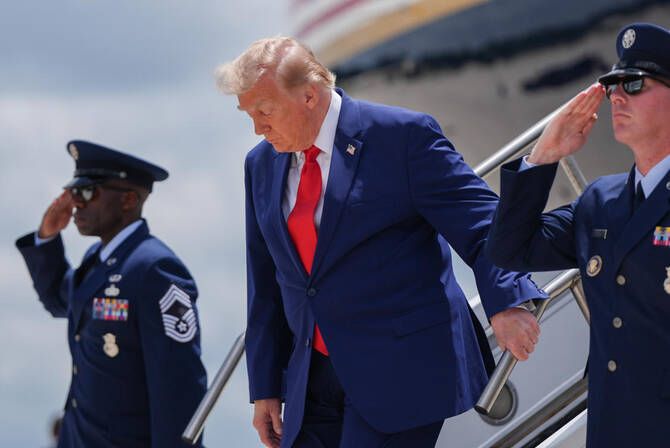
The latest US Iran Diplomatic Talks have gained renewed attention after President Donald Trump paused military strikes against Iran, creating an opportunity for diplomacy as both countries signal a temporary reduction in hostilities.
US Ambassador to the United Nations Mike Waltz said on Sunday that the president is allowing negotiations time to move forward. Speaking during a television interview, Waltz said Trump is giving diplomatic efforts “a little bit of room,” though he did not provide additional details about any ongoing discussions.
The comments followed a quieter weekend after nearly two weeks of military tensions between Washington and Tehran. The Pentagon paused its bombing campaign after 13 straight nights of strikes. At the same time, there were no reported Iranian attacks against neighboring countries during the weekend.
The temporary pause has raised hopes that both sides may continue pursuing a diplomatic solution instead of further military action. While no formal agreement has been announced, officials from both countries indicated that communication remains possible despite continuing disagreements.
A senior Trump administration official said the president still prefers diplomacy as the best path forward. The official said Trump has consistently supported negotiations but believes military pressure demonstrated the consequences if Iran refuses meaningful talks.
According to the official, the administration remains prepared to engage through diplomatic channels while expecting Iran to participate seriously in future discussions.
Iran also signaled that it is willing to maintain the current pause under certain conditions. A senior Iranian source said Tehran’s position remains based on reciprocity. The source explained that Iran would stop its military operations as long as the United States does not launch additional attacks.
The Iranian source added that this position has already been communicated to US officials. However, the source also said Iranian leaders remain cautious about Washington’s long-term intentions.
According to the source, many officials in Tehran believe the current pause could be temporary rather than a lasting shift toward diplomacy. While the reduction in fighting is viewed as a positive development, skepticism remains high because of the recent military escalation.
The confrontation between the United States and Iran intensified over nearly two weeks, raising concerns across the Middle East. The conflict affected regional security and disrupted shipping routes and air travel in several areas.
Governments and international observers closely monitored the situation as fears grew that additional military action could lead to a broader regional conflict. The recent pause has eased some immediate concerns, although uncertainty remains.
Despite the reduction in military activity, both governments continue to exchange public warnings. Officials from Washington and Tehran have maintained firm positions while leaving the door open for diplomatic engagement.
Foreign policy analysts say the coming days will be important in determining whether the current pause develops into more formal negotiations. They note that trust between the two countries remains extremely limited after years of political disputes and recent military action.
Diplomatic experts also say successful negotiations would likely require confidence-building measures from both sides before broader agreements become possible. For now, neither government has announced plans for direct high-level meetings.
International attention remains focused on whether the pause will continue. Many countries have called for restraint and encouraged diplomatic efforts to reduce tensions and protect regional stability.
The current lull in fighting provides an opportunity for both governments to explore peaceful solutions while avoiding further military escalation. Whether that opportunity leads to lasting progress will depend on future actions by both Washington and Tehran.
For now, the pause in military operations marks a significant moment in the recent crisis. With diplomatic channels still open, officials and global observers will continue watching closely for signs that negotiations can replace conflict and help lower tensions across the region.
