


Cuba is facing growing fears of conflict as tensions with the United States continue to rise amid severe economic hardship, political pressure, and new diplomatic disputes.
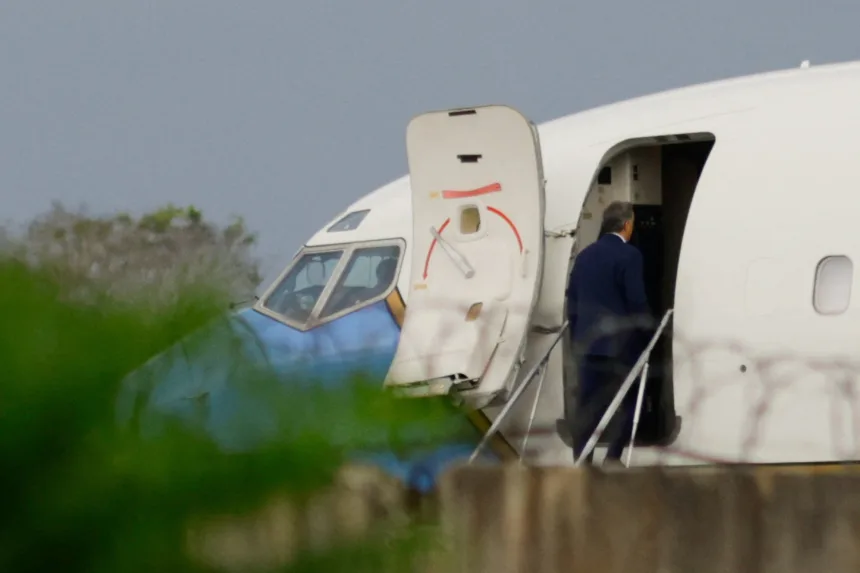
Residents across the island are increasingly worried after reports of stronger US measures against Cuba and the unexpected visit of John Ratcliffe to Havana. The visit shocked many Cubans and triggered speculation about worsening relations between the two countries.
Cuban authorities have reportedly instructed state-run buildings and institutions to prepare emergency plans in case of a possible military crisis. While the US government has not announced plans for military action, concerns have spread across the island as economic conditions continue to deteriorate.
Many Cubans have lived for decades under the shadow of conflict with the United States. References to a possible American invasion have long existed in Cuban political culture and public discussion, often used as dark humor during difficult times.
However, recent events have made those fears feel more real for some residents.
Ratcliffe’s arrival in Havana attracted major attention because the Central Intelligence Agency remains deeply controversial in Cuba due to its long history of operations against the Cuban government during the Cold War.
Historical tensions between Cuba and the CIA date back to the 1960s following the Cuban Revolution led by Fidel Castro. Cuba has long accused US intelligence agencies of supporting efforts to destabilise the country and remove its leadership.
During the recent visit, Cuban officials reportedly argued that Cuba does not pose a threat to the United States. According to Cuban government statements, leaders attempted to counter claims used by Washington to justify recent sanctions and economic restrictions.
US officials, however, accused Cuba of supporting Russian and Chinese intelligence activities in the region and acting against American interests.
The talks appear to have produced little progress. Analysts say relations between Havana and Washington are now among the worst seen in years.
Soon after Ratcliffe left Cuba, reports emerged that US federal prosecutors may seek legal action against former Cuban President Raul Castro over historical allegations linked to the 1996 downing of aircraft operated by a Cuban exile group.
Raul Castro, now nearing 95 years old, officially retired from leadership but is still seen by many as an influential figure behind the scenes in Cuban politics.
Political experts warn that any legal move against Castro could trigger a complete collapse in diplomacy between both countries and sharply escalate tensions.
Miguel Diaz-Canel recently declared that Cuba was prepared to defend its revolution if necessary. State media has also shown images of civilians receiving military training and participating in defence exercises.
Some training footage released by Cuban media showed soldiers using older Soviet-era military equipment. Officials describe the strategy as one focused on national resistance and guerrilla-style defence rather than direct military confrontation.
Despite Cuba’s limited military resources, experts say the country could still organise large-scale civilian mobilisation during a crisis.
At the same time, ordinary Cubans continue to suffer through one of the country’s worst economic crises in decades.
Frequent power outages, fuel shortages, food scarcity, and rising prices have affected daily life across the island. Hospitals reportedly face shortages of medicine and medical supplies, while many families struggle to preserve food during long blackouts.
The crisis has worsened after tighter US sanctions and restrictions on companies doing business with Cuba. Cuban officials say an ongoing oil blockade has drained fuel supplies and reduced shipping activity to the island.
Across Havana and other cities, residents have protested against worsening living conditions and electricity cuts. Demonstrators have banged pots and pans in frustration as public anger grows over shortages and economic hardship.
Some Cubans say they feel trapped between political tensions and economic suffering. Others fear that any conflict could lead to violence, instability, and reprisals across the island.
Ada Ferrer warned that sudden political change in Cuba could create serious unrest based on historical experience.
Meanwhile, Cuba’s Civil Defense agency has distributed guidance advising families to prepare emergency bags with food and essential supplies in case of future instability.
For many residents, however, preparations are becoming difficult because shortages already affect nearly every part of daily life.
As tensions continue to rise, uncertainty is growing across Cuba over what could happen next in relations between Havana and Washington.
