


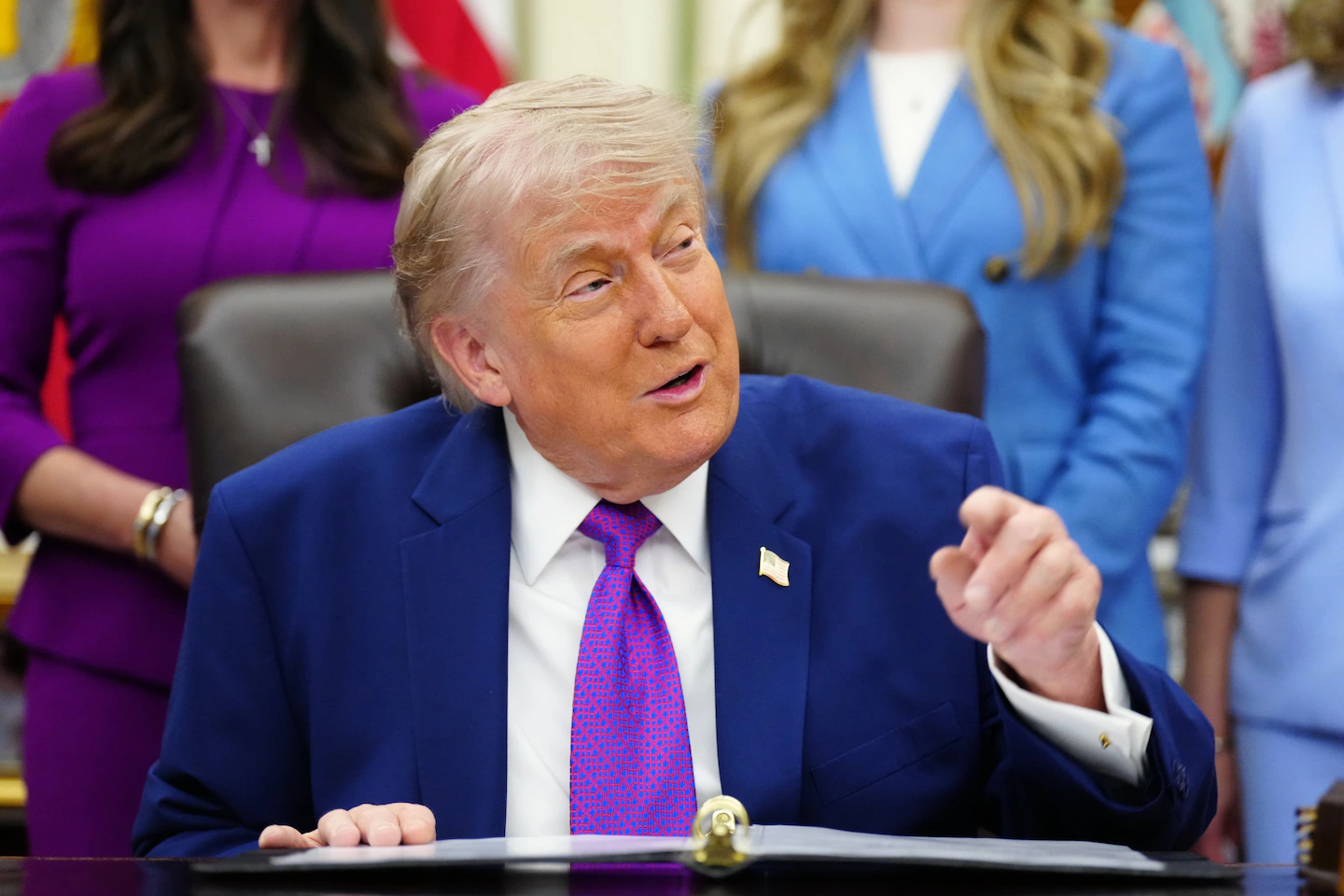
U.S. media and political analysts are debating a growing foreign policy crisis involving Iran and the United States. The discussion focuses on former President Donald Trump and his approach to Iran policy.
According to critics, including former U.S. ambassador to the United Nations John R. Bolton, Trump is facing a difficult strategic trap. Bolton argues that Trump’s recent actions have created pressure without a clear long-term plan.
The debate centers on military action, ceasefire limits, and the future of Iran’s nuclear and military programs. Critics say Trump moved quickly toward strikes with Israel but did not clearly explain goals to the public.
They also argue that key allies and Congress were not fully consulted before the military action began. This is compared with past operations such as the Gulf War under George H. W. Bush, where broader coordination was used.
The article also notes that no clear coordination with Iranian opposition groups inside the country was shown. Experts say Iran has deep internal tensions, including youth protests and ethnic dissatisfaction.
Women’s rights protests and economic hardship have also increased pressure on Iran’s leadership in recent years. However, the current military campaign is described as strong but not yet fully complete.
Some analysts say Trump now faces a trap because he must choose between continuing force or stepping back. They argue that stopping too early could allow Iran to rebuild its military and nuclear capacity.
Historical comparisons are also made to Winston Churchill, who criticized British Prime Minister Anthony Eden during the Suez Crisis. Churchill warned that leaders must think carefully not only when starting action, but also when stopping it.
In the current situation, critics say Iran may use any pause to recover and strengthen its regional influence. This includes rebuilding missile programs and networks linked to regional proxy groups.
The debate also highlights economic risks connected to energy routes like the Strait of Hormuz. Some proposals suggest opening shipping routes for Gulf oil while maintaining pressure on Iran.
Supporters of continued pressure argue that freedom of sea routes is a long-standing U.S. policy principle. They also say global energy markets would benefit if oil flows remain stable.
Critics of escalation warn that expanding military operations could increase regional instability. They caution that any misstep could draw the United States into a wider conflict.
Policy experts remain divided on whether faster military action or diplomatic restraint is the better path. The disagreement reflects broader tensions in U.S. foreign policy toward Iran over many years.
Some analysts say the Trump administration faces political pressure at home that shapes foreign decisions. Others reject this view and argue that national security needs are the main driver.
The CIA and intelligence assessments are also mentioned in discussions about how complete the military campaign is. However, details of these assessments remain limited in public reporting.
The situation continues to evolve, with Iran reportedly considering its response to U.S. actions. Diplomatic channels remain uncertain, and no stable long-term agreement has been reached.
Experts say Iran’s leadership may delay major commitments while rebuilding strength internally. This could prolong tensions between Washington and Tehran.
Some policymakers argue that any ceasefire must include strict verification mechanisms. These mechanisms would aim to prevent nuclear development and missile expansion.
Others argue that strict conditions may prevent meaningful negotiation progress. They prefer step-by-step talks instead of broad enforcement demands.
Regional allies in the Middle East are closely watching U.S. decisions. Gulf states depend heavily on stable shipping routes and oil exports.
Any disruption in the Strait of Hormuz could impact global energy prices. This adds urgency to diplomatic and military planning in the region.
Analysts say the coming weeks will be critical for both security and diplomacy.
