


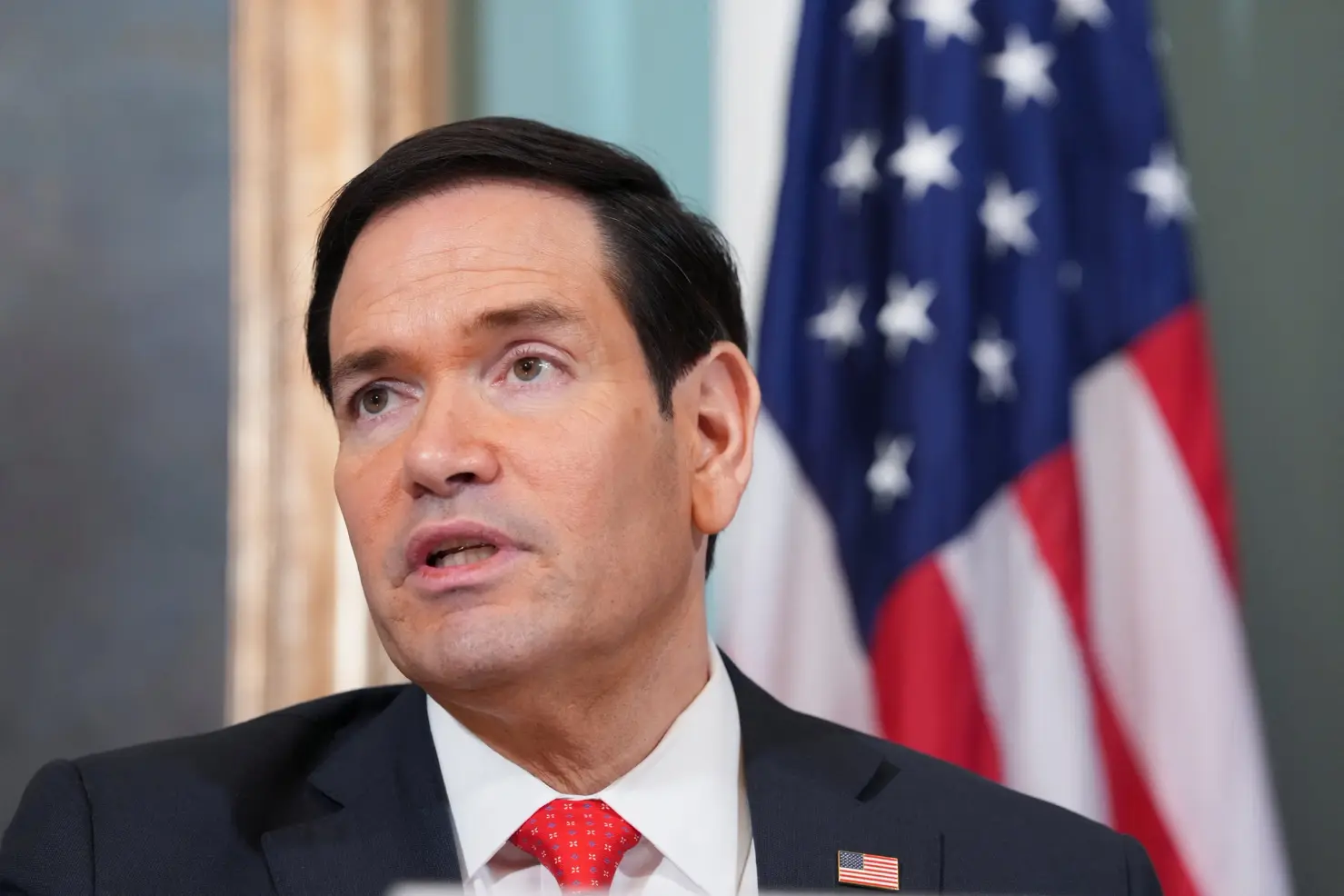
A senior Democratic senator has urged US Secretary of State Marco Rubio not to end food aid to Ethiopia, warning of a deep crisis for millions of people. This warning comes as tensions rise again in northern Ethiopia, especially in the Tigray region.
In a letter sent on Wednesday, Senator Jeanne Shaheen said US funding cuts and changes in food programs could leave up to 3.1 million Ethiopians without help. She warned this could lead to a humanitarian disaster.
Shaheen said up to 3.1 million people could lose food support in a region already hit by war from 2020 to 2022. She said the timing is dangerous because the aid break would happen during the lean and rainy seasons.
The State Department responded by rejecting claims that it is ending food aid. It said the program is being responsibly transitioned. It also said it wants other donors and the Ethiopian government to share costs.
A State Department funded monitoring network warned earlier this year that Ethiopia’s food needs are rising fast. It said the number of people needing food aid could nearly double.
It estimated that around 9 million people need food aid now. It also said this could rise to 16 million during the lean season in July. The network warned that emergency conditions may appear in several regions.
Senator Shaheen said the situation is urgent and needs strong US attention. She called for continued support to prevent a wider crisis. She also said cutting aid now would worsen hunger in vulnerable areas.
The issue comes at a sensitive time for Ethiopia. The country is still recovering from conflict in the north. Many communities remain dependent on international food support.
The US government said it is not stopping food aid completely. It said it is changing how programs are delivered. Officials say the goal is long term stability and shared responsibility.
Between 2020 and 2022, fighting in Tigray caused major damage. Homes, farms, and roads were destroyed. Millions of people were forced to rely on aid for survival.
Food aid in Ethiopia is one of the largest in Africa. It supports millions in rural and conflict affected areas. Any changes to funding can quickly affect food security.
Humanitarian groups have warned that funding gaps could make the situation worse. They say delays in aid can increase hunger and malnutrition. They are calling for stable support from global donors.
US officials say they will continue working with Ethiopia on food programs. They also say international partners must help share the cost. They stress coordination instead of full withdrawal.
Experts say Ethiopia remains highly vulnerable to climate shocks. Drought and heavy rain both affect farming. This makes food supply unstable in many regions.
The warning highlights growing concern inside Washington. Lawmakers are pushing for careful planning. They fear sudden cuts could harm civilians on a large scale.
Ethopia food aid crisis remains a key international issue. It links security, hunger, and global funding decisions. The situation continues to be closely monitored.
The lean season is the time before harvest when food supplies are lowest. Prices often rise during this period. Many families struggle to buy basic food.
International agencies are also monitoring the situation closely. They coordinate with local partners to deliver food where possible. Access challenges remain in some conflict areas.
Officials say they will keep reviewing aid needs in Ethiopia. More updates are expected as conditions change. The debate over funding is likely to continue in the coming months.
Overall, the Ethiopia food aid crisis continues to raise concern among lawmakers and aid groups. They warn that any disruption could quickly affect millions of people who depend on daily food assistance.
Supporters say continued funding is essential to prevent hunger and instability. They argue that humanitarian aid saves lives during conflict and climate shocks.
Discussions are ongoing as the US and Ethiopia work on future aid plans. Officials expect more clarity soon.
