


US inflation dropped to 2.4% in January after last year’s tariff-driven price swings.
Prices rose 0.2% from December, according to the consumer price index.
Core inflation increased 0.3% for the month.
Economists expected a slight decline to 2.5%.
Inflation hit 2.3% in April, then climbed to 3% by September.
It fell again to 2.7% at the end of the year.
The White House credited Trump’s economic agenda for stabilizing prices.
It rejected claims that tariffs caused lasting inflation.
Investors watch the data for signals on interest rate cuts.
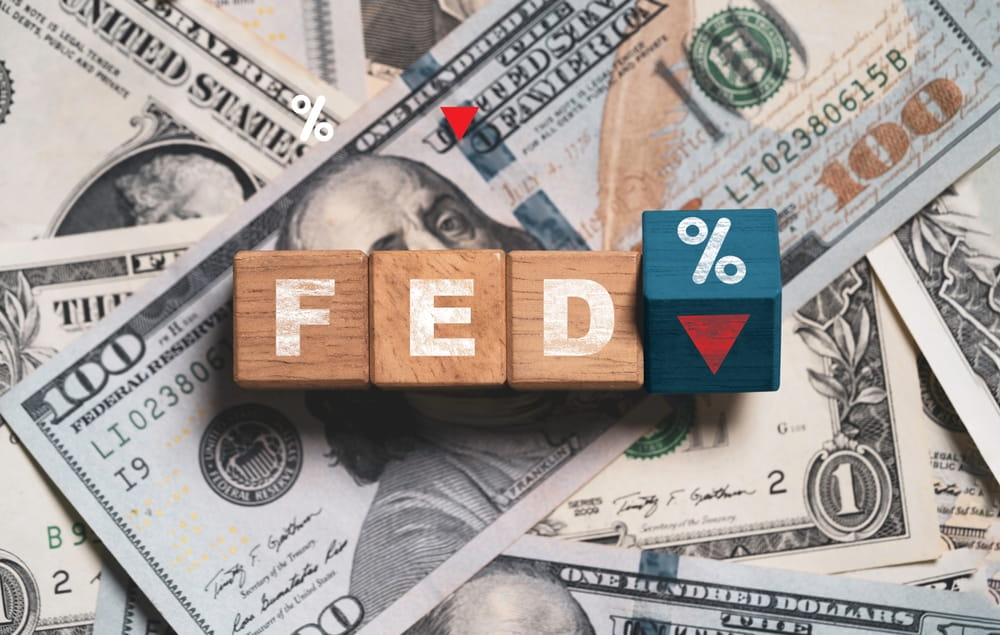
The Federal Reserve paused cuts in January and will decide again in March.
Jerome Powell expects a temporary tariff effect before prices settle.
The labor market remained solid, but job growth slowed sharply in 2025.
Trump highlighted GDP growth and earlier price stability.
Polls show declining approval of his economic performance, especially on inflation.
Republicans now face pressure before the midterm elections.
The administration proposed measures on housing costs, credit card debt, and drug prices.
