


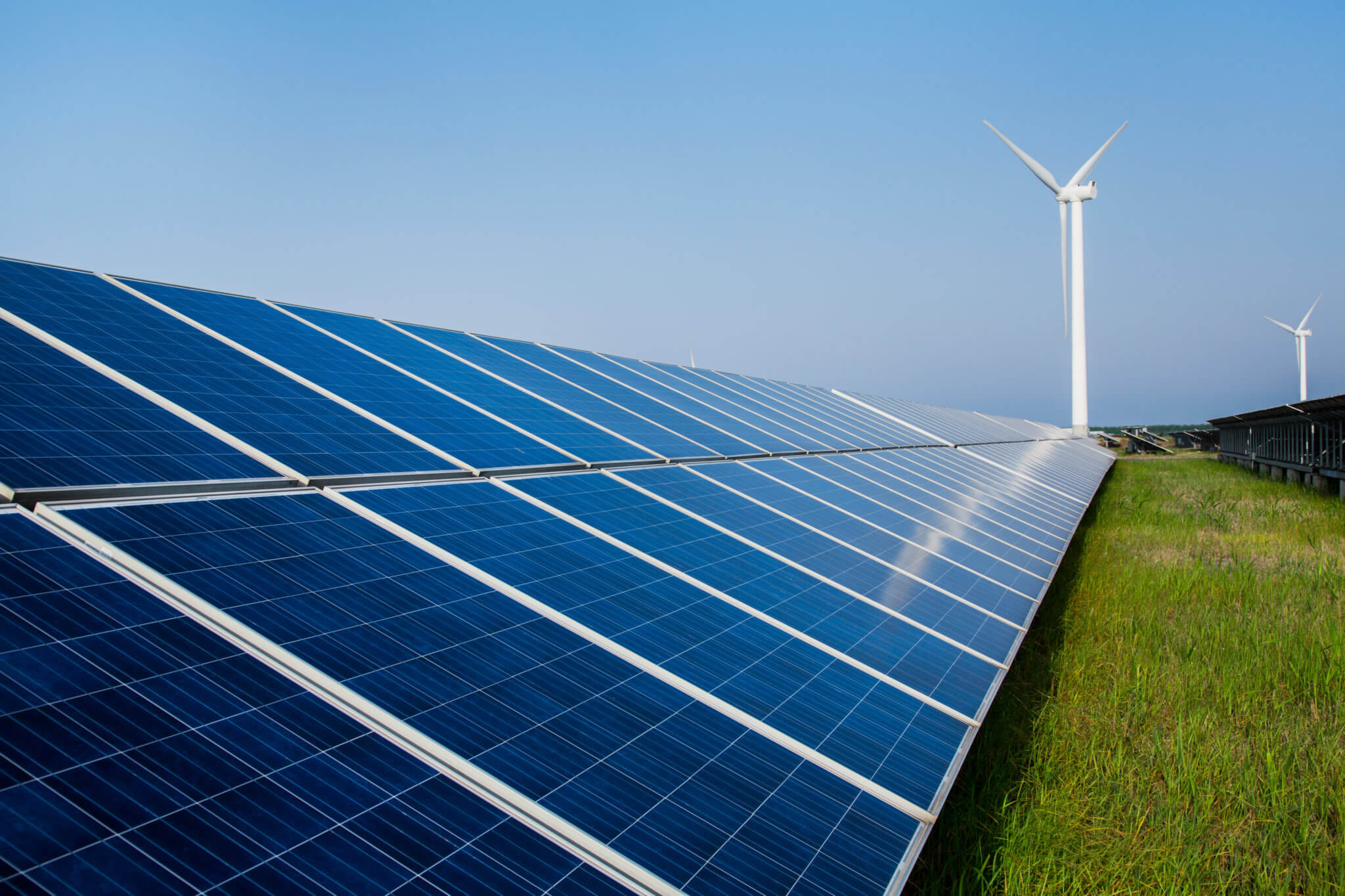
The U.S. renewable energy sector is gaining momentum, with wind and solar power steadily increasing their share of the nation’s electricity mix. Strong policy frameworks are supporting decarbonisation goals and providing confidence for investors and the public alike.
Recent data shows that wind and solar capacity is growing at unprecedented rates. Technological improvements, declining costs, and supportive regulations are driving adoption across residential, commercial, and utility-scale projects.
Federal and state policies are central to this expansion. Tax incentives, renewable portfolio standards, and clean energy grants encourage investment and accelerate the transition from fossil fuels to sustainable energy sources.
Experts highlight that policy signals are critical for investor confidence. Clear decarbonisation targets and renewable energy incentives reduce market uncertainty and attract private-sector participation in clean energy projects.
The growth of renewable energy also has significant environmental benefits. Increasing the share of wind and solar power reduces greenhouse-gas emissions, mitigates climate change, and helps meet national and global sustainability goals.
In addition to environmental advantages, renewable energy development contributes to economic growth. Expanding wind and solar installations create jobs in construction, manufacturing, and operations, while fostering innovation in energy technologies.
Communities across the U.S. are benefiting from clean energy expansion. Local projects provide affordable electricity, improve energy security, and encourage community participation in sustainability initiatives.
Technological innovation further supports sector growth. Advances in energy storage, grid integration, and smart technologies enable more reliable and efficient use of renewable energy, ensuring that clean power can meet demand consistently.
Analysts note that the combination of rising renewable shares and strong policy frameworks is building long-term momentum. With wind and solar expected to continue growing, the U.S. is on track to achieve significant decarbonisation milestones.
The renewable energy sector is also influencing corporate and municipal strategies. Businesses and cities are increasingly committing to clean energy targets, aligning their operations with federal and state sustainability objectives.
Investment in renewables is rising as well. Financial institutions are backing wind and solar projects, driven by both policy certainty and growing public demand for sustainable energy. This investment trend strengthens the sector’s resilience and scalability.
Beyond electricity generation, renewable energy supports broader sustainability goals. Solar and wind projects contribute to climate adaptation, reduce reliance on imported fuels, and help communities transition toward low-carbon economies.
Public awareness and support play a role in accelerating growth. Educational campaigns and visible infrastructure projects help residents understand the benefits of renewable energy, encouraging acceptance and participation in clean energy programs.
Overall, the U.S. renewable energy sector is demonstrating strong growth, supported by policy frameworks, technology, and public and private investment. Wind and solar power are becoming central to the nation’s energy landscape, advancing sustainability and economic development simultaneously.
This growth highlights that clear policy, innovation, and investment are essential to scaling renewable energy. The sector’s expansion is not only an environmental success but also a key driver of economic opportunity and long-term energy security.
