


Tariffs Raised Following Supreme Court Ruling
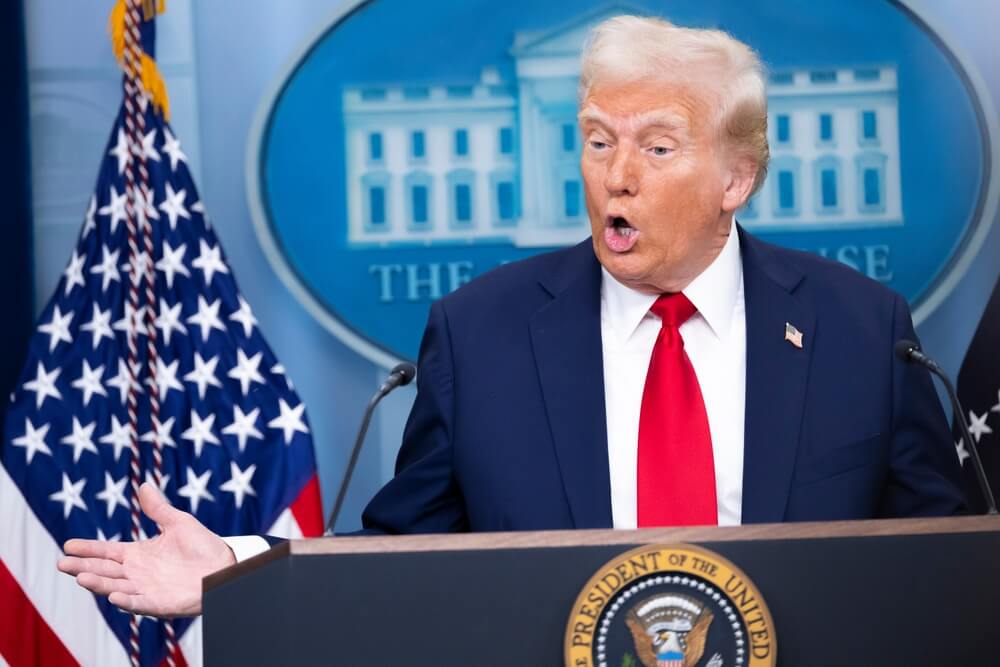
US President Donald Trump announced an immediate increase of global tariffs from 10% to 15%, just a day after the Supreme Court struck down his sweeping use of emergency powers to impose them. Trump said the move was necessary to protect American interests and described the court’s decision as “poorly written” and “anti-American,” insisting other legal avenues remain open to enforce trade protections.
Legal Limits and Alternative Measures
The Supreme Court ruled 6–3 that only Congress has the authority to levy taxes, including tariffs, emphasizing that the Constitution does not grant the president taxing power. While this decision blocks Trump’s emergency powers approach under the International Emergency Economic Powers Act (IEEPA), the administration plans to use Section 301 and Section 122 of the Trade Act of 1974. These provisions allow investigations and temporary import surcharges, but they carry tighter limits and shorter timelines than IEEPA, restricting the scale and speed of potential tariffs.
Ongoing Legal Challenges and Market Impact
Trump’s tariff strategy has drawn lawsuits from states and businesses challenging their legality, and questions remain about refunds and enforcement. Administration officials say some tariffs will remain in place while others may be replaced using alternate authorities. Public opinion remains mixed, with concerns over rising costs, but the White House continues to push for measures aimed at countering unfair foreign trade practices.
