


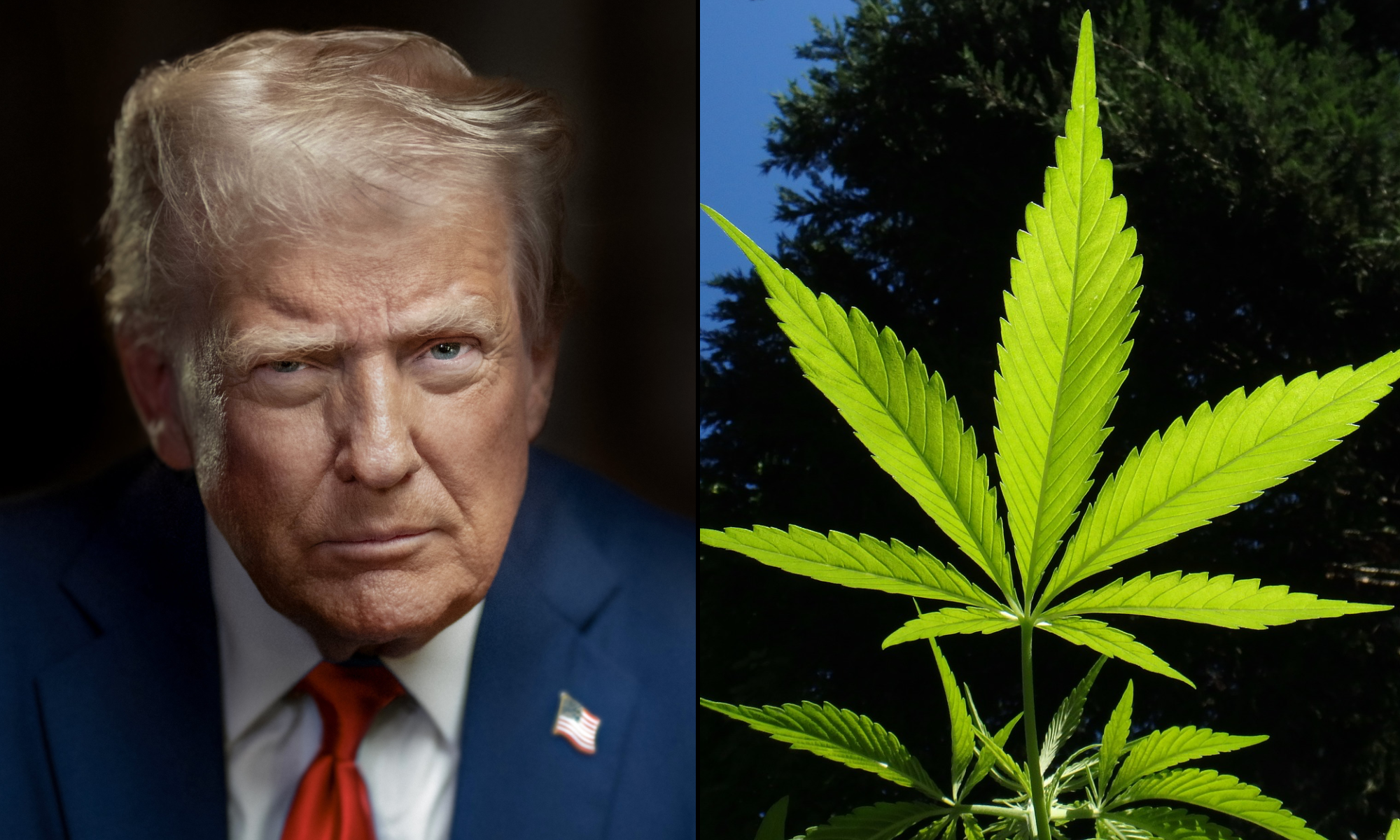
President Trump signed an executive order aimed at advancing federal marijuana research and easing regulations on the substance. The order may reclassify marijuana under federal law to a less restrictive category, opening new opportunities for scientific study.
Advocates and health researchers have welcomed the move, noting that it could significantly expand the ability to study marijuana’s medical uses. Currently, strict federal regulations limit access for research, making large-scale studies challenging.
The executive order directs federal agencies to review marijuana’s classification and explore ways to facilitate research. This could allow universities, medical institutions, and private companies to conduct studies that were previously restricted.
Supporters argue that more research is needed to understand marijuana’s potential benefits, including treatment for chronic pain, epilepsy, and other medical conditions. By easing regulatory barriers, scientists may gain access to a wider range of studies and clinical trials.
The order also signals a shift in federal policy, reflecting growing public and political support for evidence-based approaches to marijuana regulation. Analysts note that this could influence broader discussions about cannabis reform in the United States.
Regulators are tasked with ensuring that research complies with safety and quality standards. The executive order emphasizes that scientific rigor should guide marijuana studies, helping policymakers make informed decisions on health and safety.
Health experts say that reclassification may lead to new discoveries about medical applications and potential risks. Comprehensive studies could provide doctors and patients with better guidance on the safe and effective use of marijuana.
In addition to research, the order may ease certain regulatory restrictions that have affected medical marijuana programs in some states. While the federal law still governs broader enforcement, the policy change could support innovation and study in controlled environments.
Advocacy groups praised the move, highlighting its potential to improve public health knowledge and support medical breakthroughs. Researchers have long called for more flexible policies that allow scientific investigation without legal obstacles.
The executive order comes at a time when public opinion on marijuana is shifting. Surveys show increasing support for medical and recreational use, and policymakers are under pressure to update federal regulations to reflect current science and societal trends.
Legal experts note that the order does not legalize marijuana nationwide, but it creates a pathway for expanded research and possible policy adjustments in the future. The focus is on gathering data and evidence to guide informed decisions.
Universities and research centers are expected to apply for new study licenses under the revised rules. These studies could examine both therapeutic benefits and potential side effects, providing a clearer picture of marijuana’s role in healthcare.
By promoting federal marijuana research, the executive order may influence future legislation and medical practice. Experts suggest that evidence from these studies could shape policies on patient care, dosing standards, and public health initiatives.
This development marks a significant step in federal cannabis policy, balancing scientific research, regulation, and public safety. Advocates see it as a milestone that could unlock new insights into the medical potential of marijuana while maintaining oversight and accountability.
