


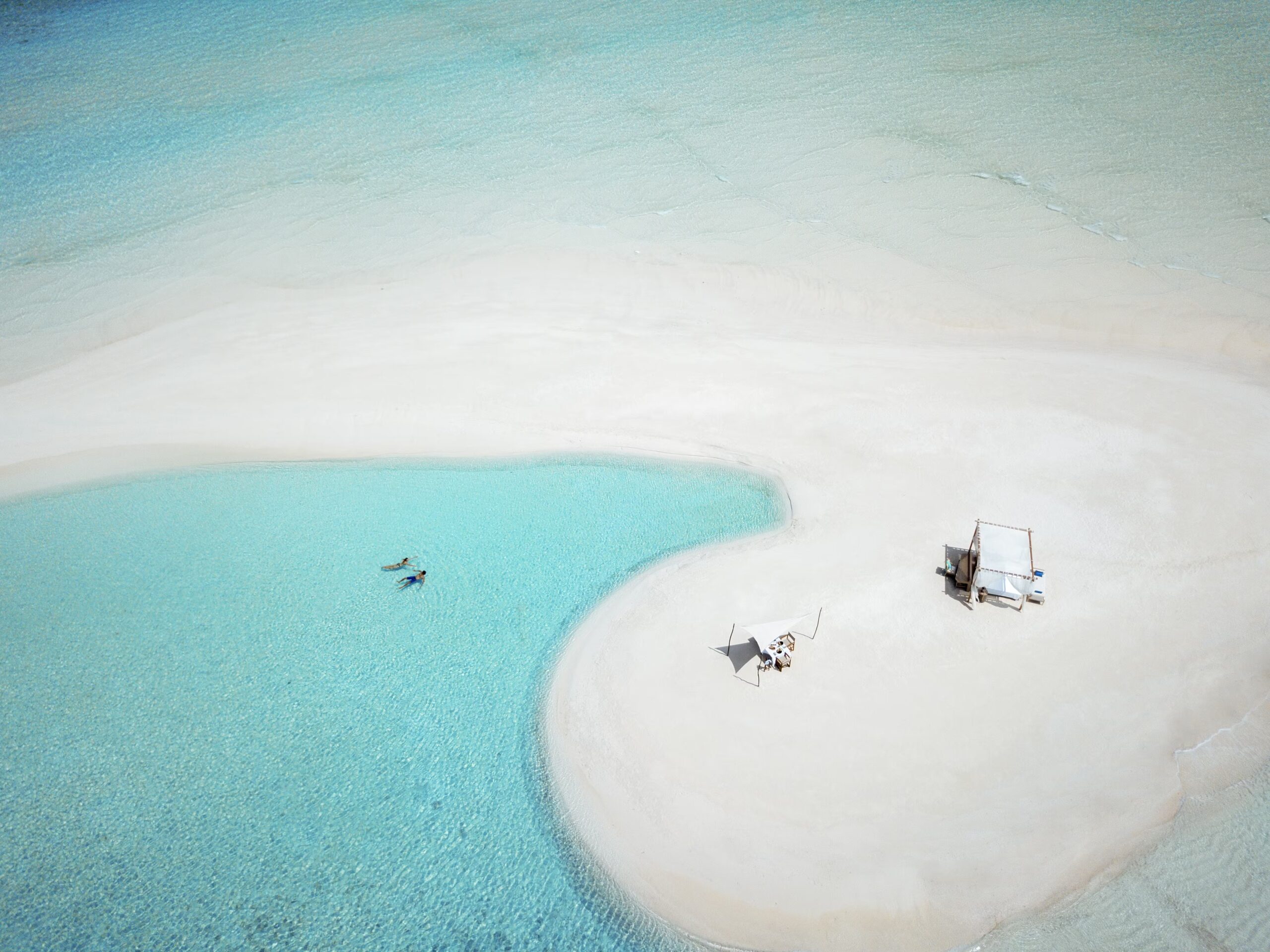
Campaigners and environmentalists have welcomed the news that a controversial five-star hotel project on Milos’s famed “moon beach” has been halted. The development, which had sparked widespread concern, threatened one of the Aegean island’s most iconic and ecologically sensitive coastal areas.
Milos moon beach, named for its distinctive lunar-like white rock formations and turquoise waters, has long been a draw for tourists and nature enthusiasts. Locals and conservation groups argued that the hotel would damage fragile ecosystems, disrupt wildlife habitats, and compromise the island’s natural beauty.
The halted project comes after months of organized protests, petitions, and advocacy from local communities, environmental organizations, and tourism campaigners. Public opposition emphasized the importance of preserving the area’s unique landscape while promoting sustainable tourism that benefits the local economy without harming the environment.
Authorities reportedly reviewed environmental assessments and zoning regulations before making the decision to halt construction. Experts highlighted that the project posed significant risks to the coastal environment, including soil erosion, water pollution, and disruption to marine and terrestrial wildlife.
Campaigners celebrated the decision as a victory for grassroots activism and environmental protection. “This is a major win for Milos and for all who value its natural heritage,” said a local environmental advocate. “We hope it sets a precedent for sustainable development across the Aegean and beyond.”
Tourism industry experts note that Milos moon beach is a key asset for the island’s economy, attracting visitors who seek unspoiled natural beauty. Preserving the site ensures that tourism remains sustainable and continues to provide long-term benefits without compromising the environment.
The halted hotel project also sparked a wider discussion about development and conservation on Greek islands. While economic growth and tourism infrastructure are important, balancing these goals with environmental stewardship has become increasingly urgent. Campaigners argue that unregulated construction threatens the very attractions that draw visitors to the islands.
Local officials have pledged to explore alternative tourism initiatives that support the economy while protecting natural landmarks. Proposals include eco-lodges, guided tours, and small-scale accommodations designed to minimize environmental impact. These approaches aim to maintain Milos moon beach as a world-renowned destination without sacrificing its ecological integrity.
Social media and international coverage amplified public opposition to the hotel project. Images of Milos moon beach’s pristine coastline and crystal-clear waters circulated widely, highlighting the importance of preserving such natural treasures. Online campaigns encouraged tourists and global audiences to support conservation efforts, demonstrating the power of public advocacy in shaping policy decisions.
In addition to environmental concerns, campaigners raised issues about the potential strain on local infrastructure. Large-scale development projects can overwhelm water, energy, and waste management systems, especially on small islands. By halting the hotel, authorities can avoid adding pressure on Milos’s delicate infrastructure while planning more sustainable growth strategies.
In conclusion, the decision to halt the five-star hotel project on Milos’s moon beach is a significant victory for environmentalists, local communities, and sustainable tourism advocates. Milos moon beach remains protected, preserving its iconic lunar-like landscape, turquoise waters, and fragile ecosystems for future generations.
The development serves as a reminder of the need to balance economic ambition with environmental responsibility. By prioritizing conservation and sustainable practices, Milos can continue to attract tourists while safeguarding the natural wonders that make the island truly unique.
