


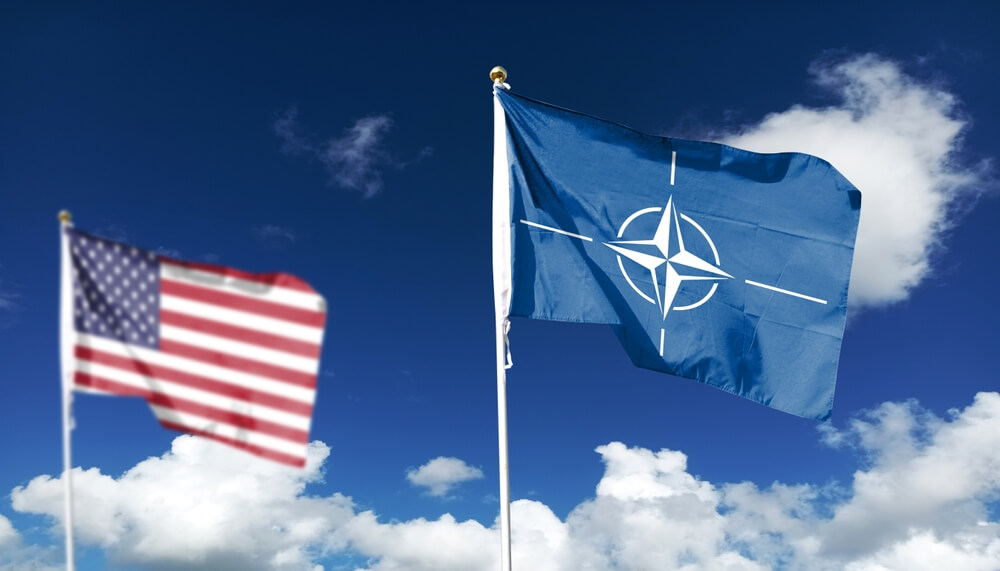
US and European defence officials signaled agreement this week that NATO must evolve to remain effective, with Europe expected to assume more responsibility for its own defence. While both sides support the shift, their motivations differ: Washington seeks to pivot attention toward other regions, while Europeans aim to guard against uncertainty in US policy.
US Under Secretary of War Eldridge Colby described the move as “NATO 3.0,” calling on European allies to take the lead in conventional defence across the continent. “Europe should field the preponderance of the forces required to deter and, if necessary, defeat conventional aggression in Europe,” Colby said, emphasizing that greater burden-sharing is essential as the US redirects resources to the Indo-Pacific.
Europe’s Defence Commitment Growing
While calls for increased European responsibility are not new, this week’s meeting in Brussels highlighted tangible progress. NATO Secretary General Mark Rutte called it a pivotal gathering, noting a visible shift in mindset and stronger unity among European allies.
Several nations are exceeding defence spending targets well ahead of schedule. Denmark, Estonia, Latvia, Lithuania, and Poland are already surpassing the agreed 3.5% of GDP benchmark, a measure established last year after concerns from the US over allies meeting collective defence commitments. The move reflects a willingness to strengthen the “European pillar” of NATO while maintaining transatlantic solidarity.
Managing Transatlantic Balance
European ministers stressed that greater self-reliance does not mean abandoning the US. German Defence Minister Boris Pistorius said it is natural for Europe to take on more responsibility while ensuring NATO remains transatlantic. French and Romanian officials echoed the sentiment, highlighting the need for increased European defence production alongside continued cooperation with the US.
A “no-surprise” approach was also emphasized to ensure any American drawdown, such as the announced reduction of an infantry brigade in Romania, is matched by coordinated European action. NATO’s command structure is gradually shifting, with Europe assuming more leadership roles, though key positions, like the Supreme Allied Commander Europe, remain American. Rutte described this balance as a logical division of labour that preserves a strong US presence while empowering Europe to protect itself.
Preparing for a Strategic Future
The discussions come amid broader strategic tensions, including recent US threats toward Greenland, which prompted NATO to boost Arctic vigilance. As Europe steps up capabilities and spending, the alliance aims to maintain cohesion while adapting to shifting US priorities. NATO 3.0, in essence, is about Europe taking the lead where possible, while the US continues to provide strategic oversight — a division designed to strengthen the alliance for decades to come.
