


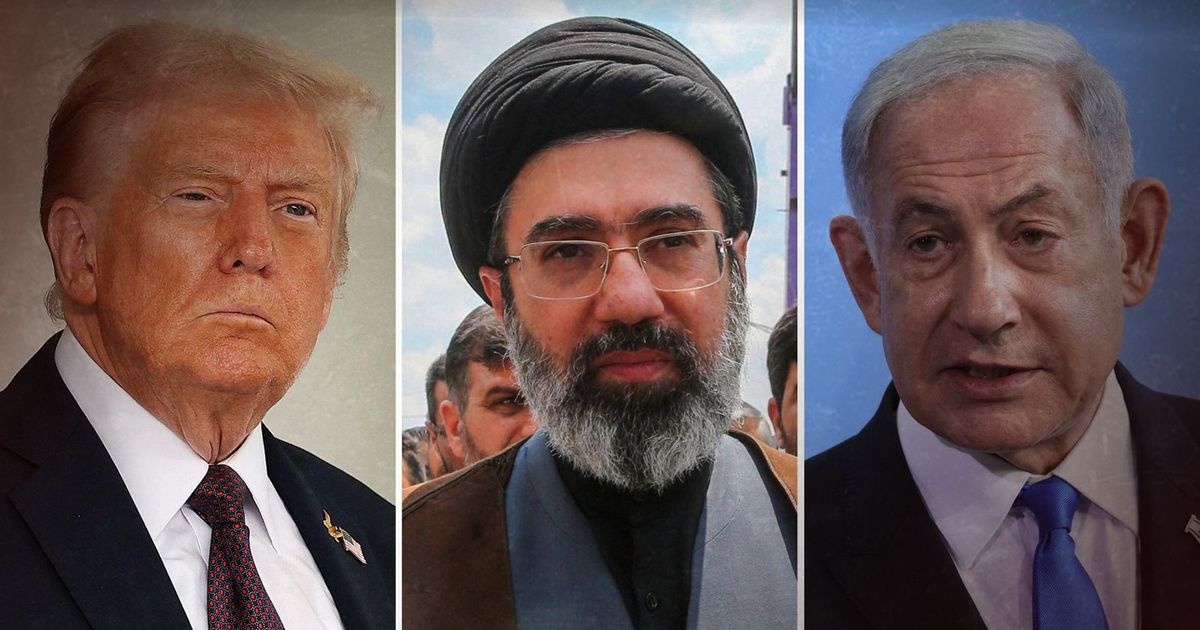
The ongoing conflict involving the U.S., Israel, and Iran extends far beyond conventional military engagements or economic impacts. While strikes and escalation risks are critical, the deeper strategic question revolves around whether this war merely degrades the Iranian regime or, more profoundly, accelerates a significant political transformation already burgeoning within the country. Many Western analysts often apply outdated templates from Iraq or Libya, focusing on state collapse and chaos, yet Iran presents a distinct narrative of resilience and internal dynamism. This nuanced understanding is frequently overlooked.
For over four decades, the Islamic Republic, born from a fractured coalition in 1979, has faced persistent internal dissent. Despite the regime’s efforts to project a facade of pluralism through “reformists” and “conservatives,” the Iranian populace has consistently sought avenues for normalcy and sovereignty. From the student protests of 1999 and the Green Movement of 2009 to the nationwide unrest of 2019 and the impactful “Woman, Life, Freedom” uprising in 2022, dissent has repeatedly resurfaced, met each time with brutal repression, arrests, and executions, yet refusing to be extinguished.
What distinguishes the current wave of resistance is its striking ideological clarity. A powerful, openly patriotic current has emerged, which transcends mere rejection of the current rulers. It signals a fundamental repudiation of the entire revolutionary inheritance dominating Iran since 1979, including failed Islamism and revolutionary leftism, and even groups like the Mojahedin-e Khalq. Slogans such as “Javid Shah” and “No to leftists, no to the Mullahs, no to the Mojahedin” are potent indicators of a collective search for national continuity, genuine sovereignty, and a decisive political rupture with the past.
This profound internal shift is often misconstrued by mainstream Western media, which continues to interpret Iran through outdated paradigms like “reform versus hardliner” or focuses solely on the destructive aspects of war. While humanitarian and economic risks are undeniable, this lens frequently overlooks the powerful political will of the Iranian people. Unlike scenarios where populations abandon their country under pressure, many Iranians are actively staying, watching, and preparing for a true opening. The ultimate success of any conflict will therefore be measured by its ability to erode the regime’s ideological legitimacy and empower this burgeoning patriotic movement, which, in its anti-elite and pro-nationhood stance, represents a new reality that many are still struggling to grasp.
