


India’s housing market is facing a dramatic surge in home prices, according to a recent Reuters poll, raising concerns about affordability and pushing millions of residents into costly rental arrangements. The trend reflects a combination of strong demand, limited supply, and rising construction costs.
The survey indicates that home prices across major cities and urban centers are expected to increase significantly over the next year. Analysts warn that this surge could exacerbate existing housing challenges, particularly for first-time buyers and low- to middle-income households. Rising property costs are likely to increase reliance on rental housing, placing additional pressure on rental markets.
Experts attribute the India home prices soar phenomenon to multiple factors. Urbanization and population growth continue to drive housing demand, while land scarcity and bureaucratic hurdles constrain new construction. Additionally, inflation and higher costs for raw materials such as cement, steel, and labor are contributing to the upward pressure on home prices.
The impact on the rental market is expected to be profound. As homeownership becomes increasingly unaffordable, more individuals and families will turn to rental housing. This shift is likely to drive rental prices higher, particularly in metropolitan areas where demand already exceeds supply. Renters may face limited options, higher costs, and increased competition for quality housing.
Financial institutions note that rising home prices can also affect borrowing patterns. Mortgage affordability is becoming a critical concern for prospective buyers, with higher property values translating into larger loans and increased monthly payments. Analysts caution that without intervention, these trends could slow the pace of new home purchases, limiting access to affordable housing.
Government policies play a pivotal role in managing housing affordability. Urban planning, incentives for affordable housing development, and regulatory reforms are necessary to address the gap between supply and demand. Experts suggest that coordinated action between federal, state, and local authorities is essential to prevent a full-scale housing affordability crisis.
Demographic factors further complicate the scenario. Younger generations entering the housing market face higher entry costs and limited availability. Many are forced to delay homeownership or accept smaller, less convenient living spaces. Meanwhile, older homeowners may experience equity gains but also face higher property taxes, creating a mixed economic impact across age groups.
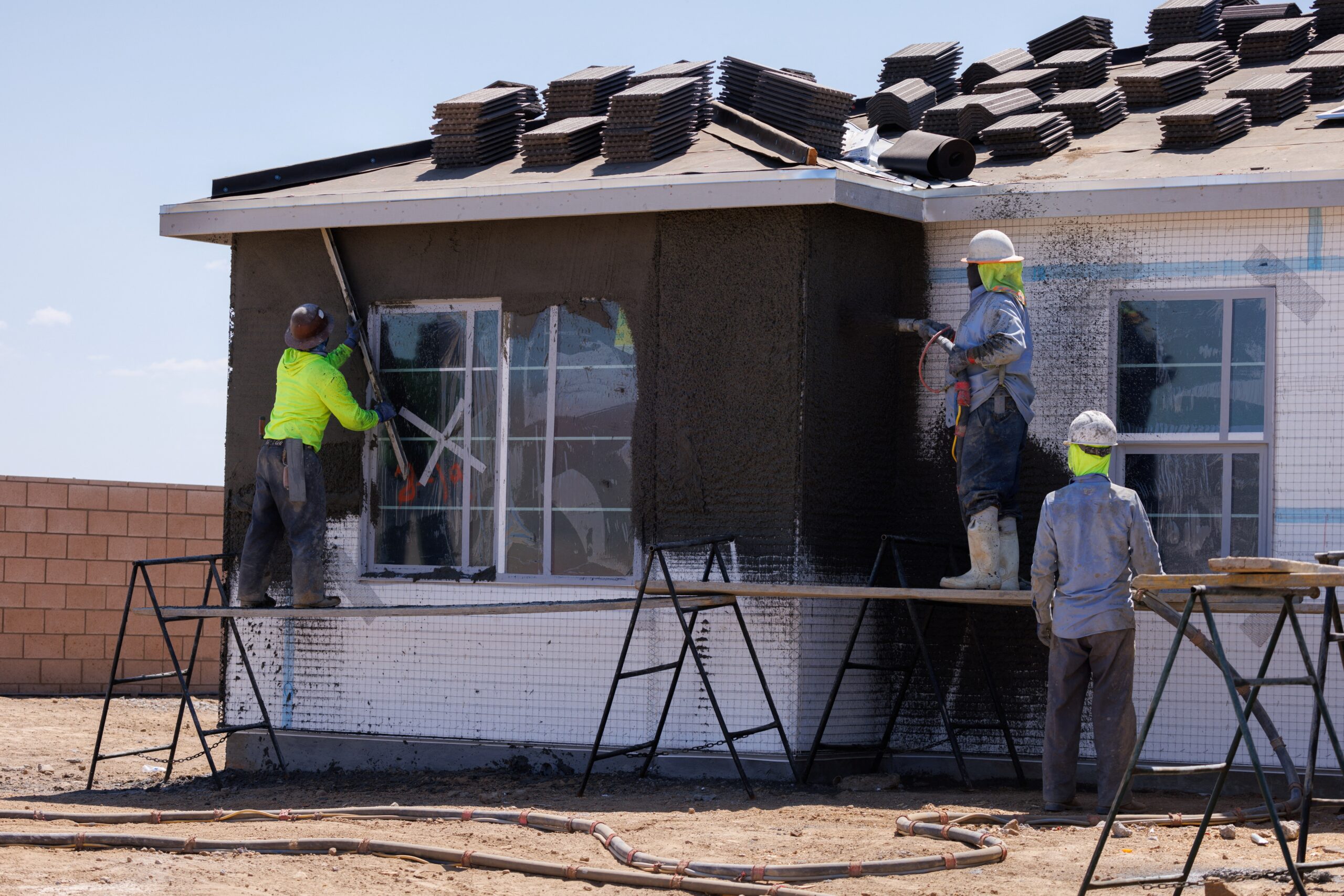
The real estate sector continues to respond to these pressures. Developers are exploring innovative solutions, such as high-density housing, modular construction, and mixed-use developments, to increase supply and meet demand. However, experts emphasize that construction alone cannot fully offset the affordability challenge without broader policy support.
Urban planners warn that rising home prices could also have social implications. Housing insecurity, longer commutes, and financial stress are likely to increase if affordability issues persist. Communities may see shifts in population distribution, with some residents moving to peripheral areas, potentially affecting local economies and infrastructure planning.
International observers note that India’s housing situation mirrors global trends in rapidly growing economies, where demand outpaces supply, driving both property and rental costs higher. Lessons from other nations highlight the importance of proactive policy, sustainable development practices, and targeted subsidies to ensure that housing remains accessible to a broad segment of the population.
In conclusion, India home prices soar as escalating costs push millions into expensive rentals. Without coordinated action from policymakers, developers, and financial institutions, housing affordability may continue to decline, affecting social equity, economic stability, and urban planning. The upcoming months will be critical in determining whether India can implement strategies to balance housing demand with affordability, ensuring long-term access to safe and reasonably priced homes.
