


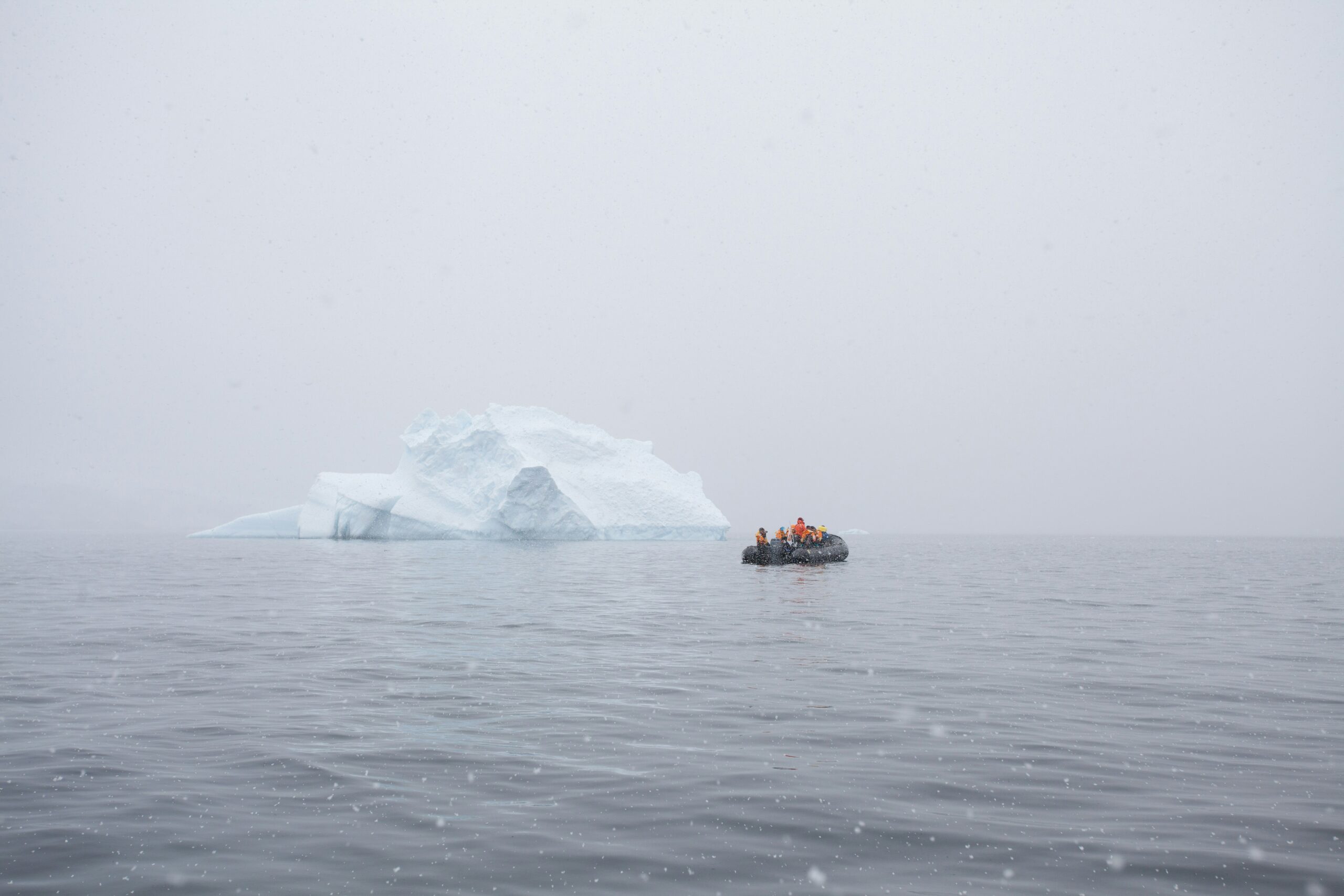
Once a remote wilderness visited by fewer than 8,000 people a year in the 1990s, Antarctica is now facing record numbers of visitors. In the 2023–24 season, over 124,000 tourists travelled south, and projections suggest that figure could rise to 450,000 within a decade. Researchers warn that this surge, along with expanding scientific bases, is leaving a damaging mark. Concentrations of toxic metals in human-active areas are now 10 times higher than 40 years ago, while soot from ships and aircraft darkens the snow, accelerating melting. A single tourist can indirectly contribute to the melting of 100 tons of snow.
Threats and Limited Solutions
Tourism not only raises CO2 emissions – averaging over five tonnes per passenger – but also disturbs wildlife, tramples fragile plants and risks spreading invasive species. Scientific expeditions add further pressure, often with impacts far greater than tourism alone. Despite regulations from the Antarctic Treaty and guidelines from the International Association of Antarctica Tour Operators, measures such as hybrid ships and biosecurity checks are seen as insufficient. Experts argue that only a rapid transition away from fossil fuels and stricter protection measures can prevent lasting harm to one of Earth’s most fragile ecosystems.
