


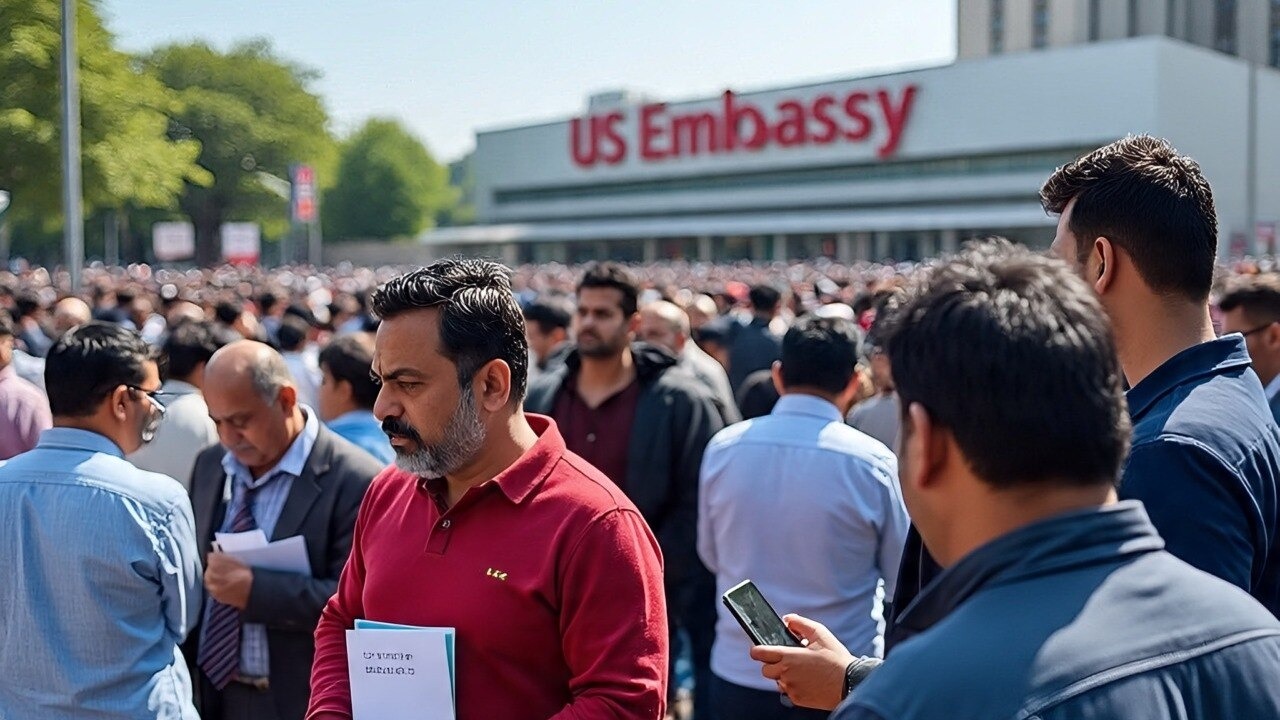
A proposed change to U.S. visa rules is raising concerns that international visitors could soon face longer delays and more difficulties in securing travel documents. Experts warn the new policy may discourage both tourists and business travelers, with potential ripple effects on the economy.
The new US visa rule wait times adjustment is designed to tighten security and improve monitoring of foreign visitors. Under the change, applicants would face more extensive background checks and additional paperwork. While officials argue that the rule will strengthen national security, critics say it risks creating unnecessary barriers for legitimate travelers.
Travel industry groups, universities, and business organizations are voicing strong opposition. They argue that lengthening visa wait times could reduce the number of visitors coming to the United States. Tourism advocates warn that fewer international tourists would harm hotels, airlines, restaurants, and local economies that depend on travel spending.
Business leaders also stress that the proposed rule could hurt international conferences, trade shows, and corporate meetings. Delays in securing visas may discourage global executives, investors, and skilled workers from traveling to the U.S. at a time when other countries are actively courting foreign talent and business opportunities.
The United States has long been one of the top destinations for both tourism and education. Universities in particular rely heavily on international students, many of whom require visas to study. A prolonged application process could push students to consider alternatives in countries such as Canada, the United Kingdom, or Australia, which already promote streamlined visa programs.
For many observers, the new visa rule illustrates a difficult balance between protecting national security and ensuring openness. U.S. officials argue that thorough screening is essential to prevent potential threats. However, critics counter that excessive delays could damage the nation’s reputation as a welcoming destination.
According to travel data, visa wait times in many U.S. consulates already stretch for months, especially in high-demand countries. The new policy could extend those waits even further. Some travelers may decide to cancel or redirect their plans, choosing destinations with easier entry requirements.
Economists estimate that international tourism contributes hundreds of billions of dollars to the U.S. economy each year. Any significant drop in visitors could translate into major financial losses, particularly for states that rely heavily on foreign spending. The hospitality sector, which has been recovering from the effects of the COVID-19 pandemic, fears the rule could slow progress just as travel demand begins to rebound.
Beyond economics, the rule may also affect cultural exchange and diplomacy. Programs that bring students, researchers, and cultural ambassadors to the United States could face setbacks if participants encounter long delays. Experts caution that these exchanges play a critical role in fostering global understanding and strengthening U.S. influence abroad.
Critics of the proposal emphasize that improving efficiency and technology at consulates could enhance security without creating bottlenecks. They call for more staff, streamlined procedures, and digital solutions to reduce processing times. Without such improvements, they warn, the U.S. risks losing its competitive edge in tourism, business, and education.
The Department of State has not yet finalized the rule, and public consultations are expected in the coming months. Travel associations and universities are preparing to submit formal objections, urging policymakers to reconsider the impact on visitors and industries that depend on them.
For now, uncertainty remains. Travelers planning trips to the United States are watching closely to see how the new rule might affect their timelines. Businesses and institutions are also evaluating the potential impact on future operations.
As the debate unfolds, one thing is clear: the balance between security and accessibility will be at the center of the discussion. The outcome will shape how the world sees the United States—as a nation open to global visitors or one increasingly closed off by red tape.
The new US visa rule wait times policy has sparked a wave of concern across industries and communities. Whether the proposal ultimately moves forward or is revised, the decision will have lasting implications for America’s economy, reputation, and role on the global stage.
