


The ongoing military operation against the Islamic Republic of Iran, the largest since 2003, risks a dangerous outcome: a wounded but surviving regime. Current ambitions, rumored to be limited to infrastructure damage, fail to address the core threat. A “ghost supreme leader” and a radicalized Islamic Republic, even if weakened, would only intensify its pursuit of nuclear weapons, having learned from conventional deterrent failures. This scenario presents a long-term danger for Iran and the world, confirming the hardliners’ belief that a nuclear program is essential for security and setting back any true resolution for years, if not decades.
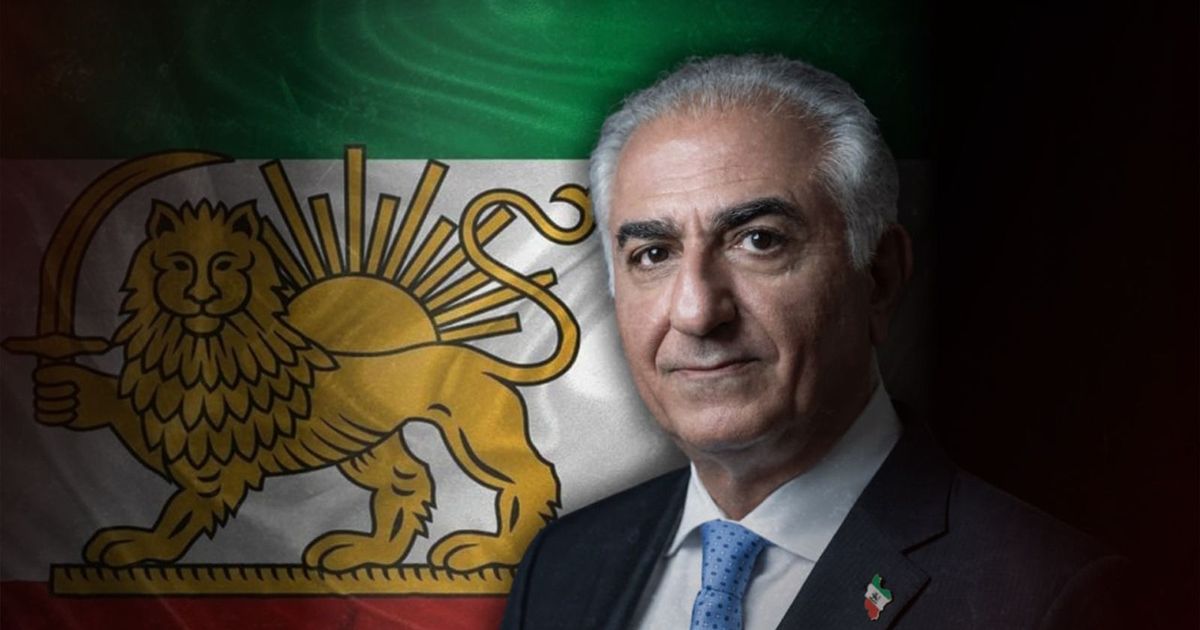
Amidst this precarious situation, Crown Prince Reza Pahlavi emerges as the sole viable alternative, enjoying genuine popular support both within Iran and among the global diaspora. Pahlavi, son of the last Shah, has declared his transitional government ready to assume power upon the Islamic Republic’s fall. His appeal stems from a nostalgic view of his father’s reign, associated with a higher quality of life, and the regime’s successful suppression of any other organized domestic opposition. This has left a void that only Pahlavi appears capable of filling, evidenced by consistent GAMAAN survey results and the prominent display of the Imperial Lion and Sun flag and “Javid Shah!” chants at protests.
Pahlavi’s readiness is not merely symbolic; he offers a tangible “Iran Prosperity Project,” a nearly 200-page blueprint for a 180-day transitional government. Developed with numerous Iranian experts, this comprehensive plan covers critical areas such as security stabilization, economic recovery, and military restructuring. Crucially, it outlines a clear path to a genuinely democratic Iran, culminating in a national referendum to decide between a constitutional monarchy or a republic, both leading to free elections. This detailed, organized approach represents the most significant development in the Iranian opposition’s history, offering a credible alternative to the current chaotic void.
The timing for this potential transition is critical, with Nowruz, the ancient Persian New Year, often serving as a flashpoint for anti-regime unrest. This year, it coincides with intensified efforts to degrade the regime’s internal repression capabilities through targeted strikes on Basij bases and commanders. Washington’s reluctance to fully embrace Pahlavi, perhaps viewing Iran through the lens of other personalist dictatorships, overlooks the deep-seated institutional control of the Guards. A failure to recognize and support Pahlavi’s organized alternative risks leaving an “injured lion” – a radicalized Islamic Republic – to terrorize the region and necessitate future interventions, ensuring the job is never truly done. The window of opportunity for a stable, democratic transition is narrowing, demanding clear-sighted action from international players.
