


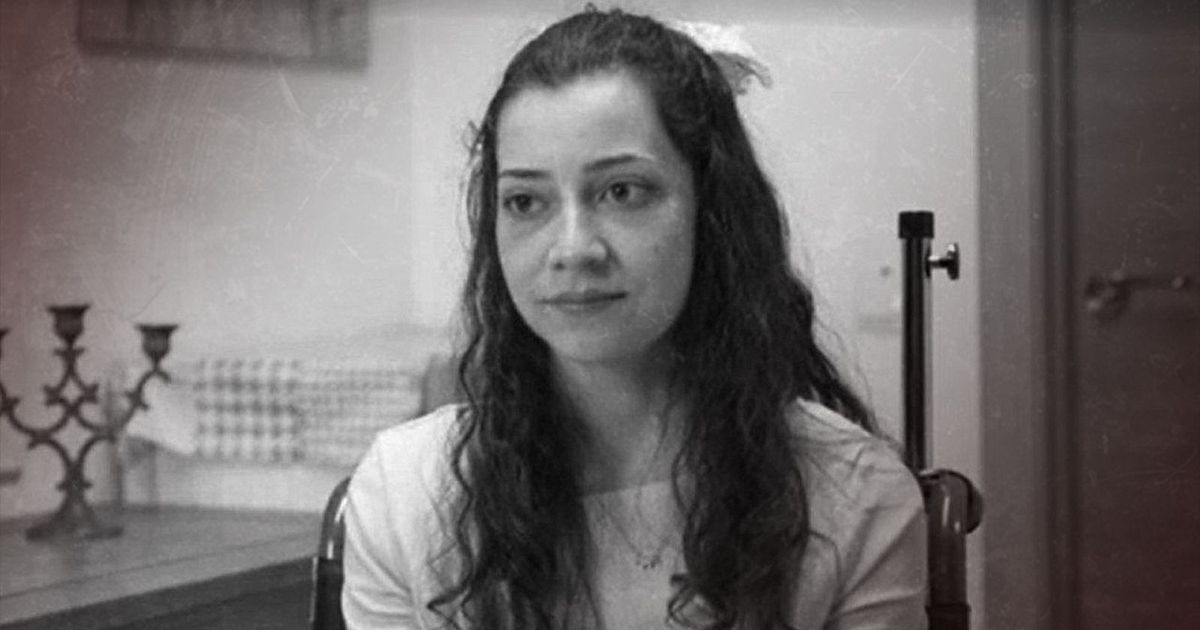
The tragic case of Noelia Castillo Ramos has ignited a fierce national debate in Spain, intertwining the morality of euthanasia with contentious discussions on immigration and crime. Noelia’s request for euthanasia was approved in Catalonia in 2024, despite her father’s desperate pleas, who argued her severe mental health issues—depression, autism, and borderline personality disorder—compromised her capacity to make such a life-ending decision. Her euthanasia was carried out on March 26, 2026, marking a poignant moment in Spain’s evolving legal landscape surrounding assisted dying. Her story has become a symbol for those grappling with the ethical boundaries of individual autonomy versus paternal intervention in end-of-life choices, especially when mental health is a significant factor. The judicial rejection of her father’s repeated appeals has drawn criticism and sparked calls for a reevaluation of the criteria for euthanasia eligibility, particularly for individuals with complex psychological conditions that may influence suicidal ideation.
Noelia’s ordeal began tragically when she was brutally gang-raped in a state-run youth center, leading to a fifth-floor fall in 2022 that left her paralyzed and in constant agony. While Spanish authorities do not report the ethnicity of rapists, statistics from Visegrad24, citing Spain’s Justice Ministry data, claim 91% of rapists in Catalonia’s prisons are foreign nationals, despite making up only 17% of the region’s population. This grim reality is echoed in a November 2025 CEU-CEFAS report, “Demography of Crime in Spain,” which warns of “imported crime,” noting foreigners, comprising 31% of prisoners, commit 500% more rapes and 414% more murders than Spanish citizens. The report suggests mass immigration from high-crime regions has offset natural declines in crime rates due to Spain’s aging population. These figures fuel a contentious narrative suggesting a direct link between open immigration policies and escalating violent crime.
Critics also point to failures within the Spanish justice system to adequately punish these crimes. Examples include a 2019 Barcelona acquittal where five men gang-raped an unconscious woman, deemed consensual by the court due to lack of resistance. More recently, a Senegalese migrant who admitted to raping a 14-year-old girl was ordered to pay a fine instead of imprisonment. The case of David Lledo, beaten to death by Moroccan migrants for defending a girl being raped in Gata de Gorgos, further highlights public frustration. While Spain’s highly publicized “La Manada” gang-rape case involving Spanish perpetrators sparked widespread feminist outrage and ultimately led to convictions, the source text questions whether similar activism and media attention emerge when foreign nationals are implicated in comparable incidents. The perceived discrepancy in public and media response adds another layer to the complex socio-political landscape.
Compounding these concerns, Spain recently announced plans to grant legal status to half a million undocumented migrants, a move met with alarm by those already worried about public safety. Simultaneously, Prime Minister Pedro Sánchez’s government plans to deploy an AI hate tracker, raising fears that expressing frustration or anger online about immigration-related crime, particularly instances involving foreign nationals, could lead to fines or arrests for “spreading hate.” This policy has been interpreted by some as a potential curb on free speech and a means to suppress critical discourse surrounding immigration policy and its societal impacts. The convergence of these issues—euthanasia, immigration, crime, judicial efficacy, and perceived censorship—creates a volatile moral and political argument, casting a long shadow over Spain’s future and its cherished Western values.
