


Landslide Win Boosts LDP
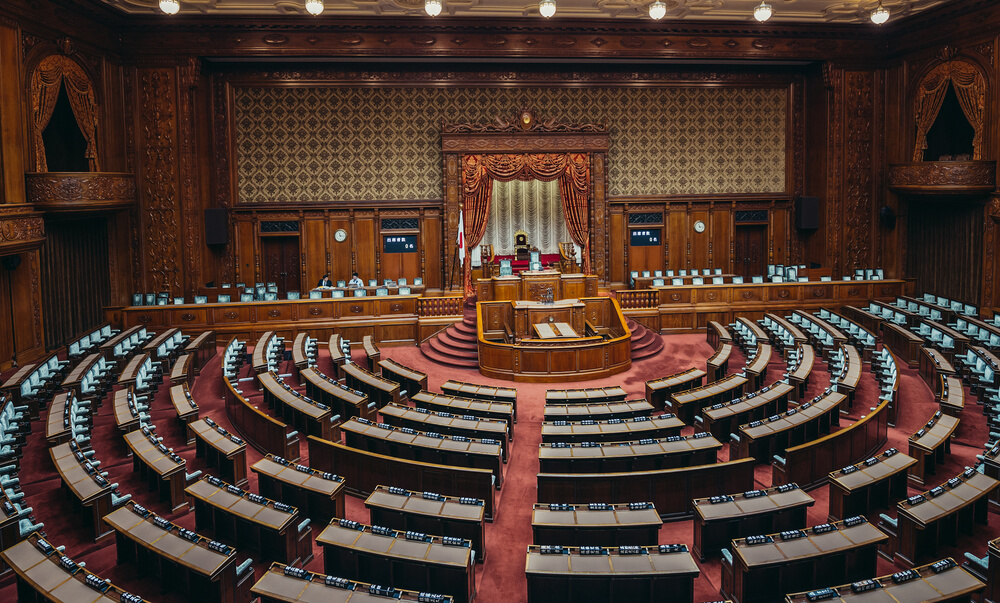
Japanese Prime Minister Sanae Takaichi is set for a commanding victory in snap elections, with media estimates suggesting her ruling bloc has captured around 300 of 465 seats in the lower house. If confirmed, this would mark the Liberal Democratic Party’s strongest showing since 2017 under the late Shinzo Abe, Takaichi’s mentor. The results give the LDP a solid majority and could even allow it to govern without its junior partner, the Japan Innovation Party.
LDP Secretary General Shunichi Suzuki hailed the result as voter approval for Takaichi’s “responsible, proactive fiscal policies and a strengthening of national defence capabilities.” Meanwhile, the main opposition alliance suffered heavy losses, and the anti-immigration Sanseito party was projected to increase its representation modestly.
Reviving Popularity at Home
Takaichi, 64, has successfully restored much of the LDP’s popularity, which had slipped amid rising prices and corruption scandals in previous elections. Known for her heavy metal drumming in youth and admiration for Margaret Thatcher, she was considered part of the LDP’s ultra-conservative wing before taking office last October as Japan’s first female prime minister.
Since then, she has appealed to a broad voter base, including younger citizens. Her early policies included a $135 billion stimulus package to combat inflation, followed by a pledge to suspend the consumption tax on food. However, Japan’s debt remains more than double its GDP, and rising long-term bond yields have triggered global market concerns.
Rising Tensions With China
Takaichi’s victory may also heighten tensions with Beijing. Known as a China hawk before taking office, she sparked outrage in China by suggesting Japan might intervene militarily if Beijing attempted to seize Taiwan. China responded by summoning Japan’s ambassador, issuing travel warnings for its citizens, conducting joint air drills with Russia, and even recalling Japan’s last two pandas.
As Takaichi prepares to lead with a historic mandate, she faces the dual challenge of delivering on domestic economic promises while managing increasingly fraught regional relations.
