


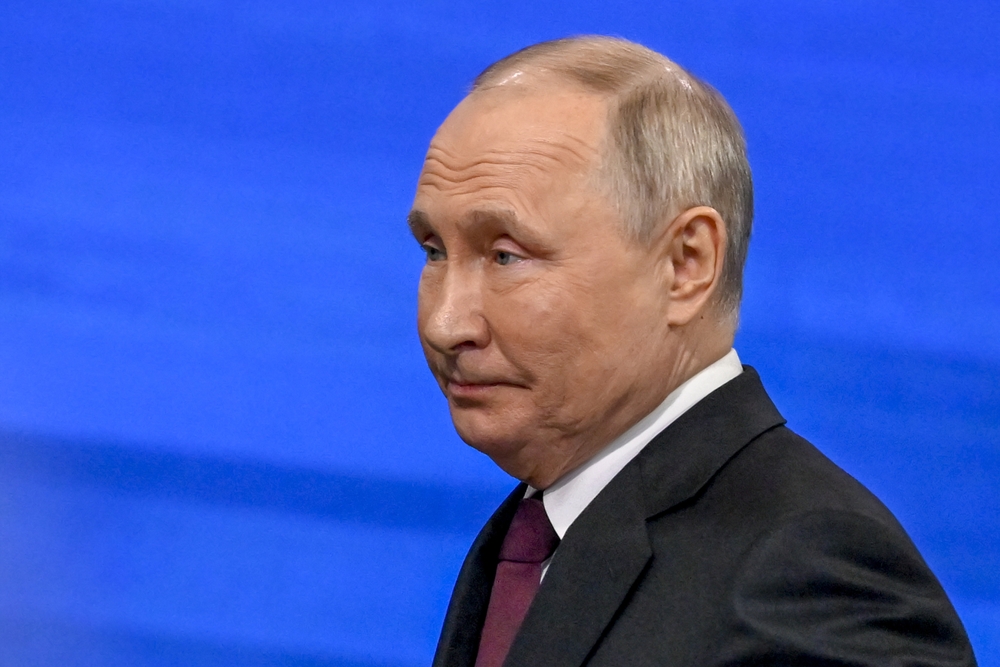
Russian President Vladimir Putin will meet US special envoy Steve Witkoff in Moscow on Tuesday, signalling renewed momentum in efforts to end the war in Ukraine. Jared Kushner, who informally advises on diplomatic matters, is also expected to join. Their visit follows two days of discussions in Florida between Ukrainian and US officials aimed at refining a Washington-backed peace proposal viewed as favourable to Moscow. Ukrainian President Volodymyr Zelensky called the talks constructive but said several difficult issues still require work. Kremlin spokesman Dmitry Peskov confirmed that Witkoff will meet Putin in the second half of Tuesday.
Kyiv Holds Firm on Core Demands
Speaking in Paris after talks with French President Emmanuel Macron, Zelensky stressed that Ukraine continues to prioritise full sovereignty and strong security guarantees. He said territorial questions remain the hardest because Russia wants Ukraine to surrender eastern land still under Kyiv’s control, a demand Ukraine rejects. The Moscow meeting comes as Russian officials claim they captured the strategic town of Pokrovsk in the east and Vovchansk in the north-east. Ukrainian officials offered no confirmation, and open-source analysts reported that neither area appears fully under Russian control. Andriy Kovalenko, who leads Ukraine’s disinformation countering centre, said Russia aims to shift the full weight of the US peace proposal onto Ukraine.
Russia Touts Progress on the Battlefield
Moscow has tried for nearly 18 months to seize Pokrovsk and released footage showing Putin visiting a command post at the weekend, where he said Russia had advanced in a crucial zone. Before travelling to Moscow, Witkoff held talks with UK Prime Minister Sir Keir Starmer, Zelensky and Ukraine’s chief negotiator Rustem Umerov. Several European leaders joined the Zelensky-Macron meeting online. White House Press Secretary Karoline Leavitt said the peace proposal has been significantly refined and said the administration feels very optimistic. She added that negotiators will continue to work through details and expressed hope that the war could finally end.
Diverging Views on Draft Peace Terms
Putin said last week that he reviewed a US proposal and believed it could form the basis of a future agreement. Kremlin officials later questioned whether Moscow could accept it after Kyiv and European states secured revisions. The earlier US-Russia draft circulated in November alarmed Kyiv and European capitals because it strongly favoured Moscow’s demands. It also attempted to influence how frozen Russian assets in Europe should be invested and set conditions on Ukraine’s access to European markets. Macron said no final peace plan exists and insisted any agreement must involve Ukraine and European governments. He said only Zelensky can decide on territorial issues and stressed that discussions on frozen assets, security guarantees and Ukraine’s EU path must include Europe.
EU Cautions Against Pressuring Ukraine
EU foreign policy chief Kaja Kallas said this week could prove pivotal but warned that Moscow prefers to negotiate with actors more willing to offer concessions. She said she fears pressure may fall on Ukraine because forcing the weaker side to yield can appear the fastest route to peace, though she argued that such an outcome serves no one. Moscow has engaged at times with US mediation efforts, but many Russian demands still challenge Ukraine’s sovereignty and remain unacceptable for Kyiv. Territorial questions remain the central stumbling block, and security guarantees also divide negotiators. Ukraine and its European allies seek firm protection, including possible Nato membership, to prevent future attacks. Russia opposes this, and Trump has also ruled out allowing Ukraine to join the alliance.
