


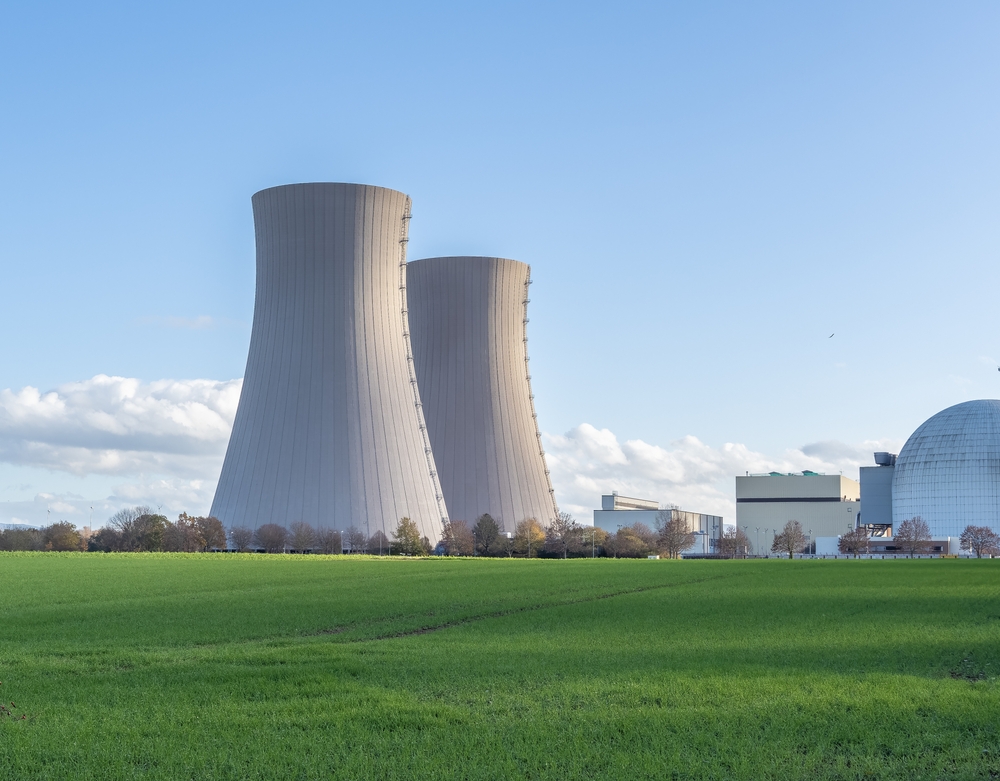
Expanding Capacity at Dukovany and Temelín
Czechia plans to generate up to 60 percent of its electricity from nuclear power by 2050. Engineers oversee construction of two new reactors at Dukovany while eight cooling towers dominate the skyline. Mobile drilling rigs extract geological samples 140 meters underground to ensure the $19 billion project meets safety and stability standards.
South Korea’s KHNP won the contract over France’s EDF to build two 1,000-megawatt reactors. They will start operating in the late 2030s and join Dukovany’s four 512-MW units from the 1980s. Officials can also add two reactors at Temelín, which currently has two 1,000-MW units.
Czech authorities plan to follow the large units with small modular reactors. Petr Závodský, CEO of the Dukovany project, says the expansion will reduce fossil fuel use, guarantee affordable energy, support growing electricity demand, and meet low-emission goals.
Europe Rekindles Interest in Nuclear
Rising energy demand and tighter climate deadlines push Europe to invest in nuclear. The European Union classifies nuclear energy as environmentally sustainable, unlocking financing opportunities. Countries such as Czechia, Slovakia, Hungary, and France benefit from the support.
Belgium and Sweden reversed nuclear phase-out plans. Denmark and Italy reconsider their strategies. Poland signed a deal with Westinghouse to build three new reactors. The EU generated 24 percent of its electricity from nuclear in 2024.
The UK signed a partnership with the United States to boost nuclear capacity. Officials plan to invest £14.2 billion to construct Sizewell C, the first UK reactor since 1995. CEZ and Rolls-Royce SMR also signed a partnership to develop small modular reactors.
Costs, Controversies, and Geopolitical Challenges
The Dukovany expansion will cost over €16 billion. The government will own 80 percent and secure loans CEZ will repay over 30 years. Officials guarantee 40 years of stable electricity revenue. EU approval is expected under climate-neutral goals for 2050.
Czechia still gets 40 percent of electricity from coal and aims to phase out coal by 2033. Financial delays previously stalled Temelín reactor plans in 2014. Authorities excluded Russia’s Rosatom and China’s CNG from Dukovany due to security concerns after the Ukraine invasion.
CEZ signed supply deals with Westinghouse and Framatome for ten years, removing dependence on Russia.
Opponents cite high costs and the lack of permanent nuclear waste storage. Austria remains the most critical neighboring country, opposing Czech small modular reactors. The 2000 Temelín dispute caused weeks of border closures and political tension. Despite support at home, Czechia faces continued scrutiny from neighbors and environmental groups.
