


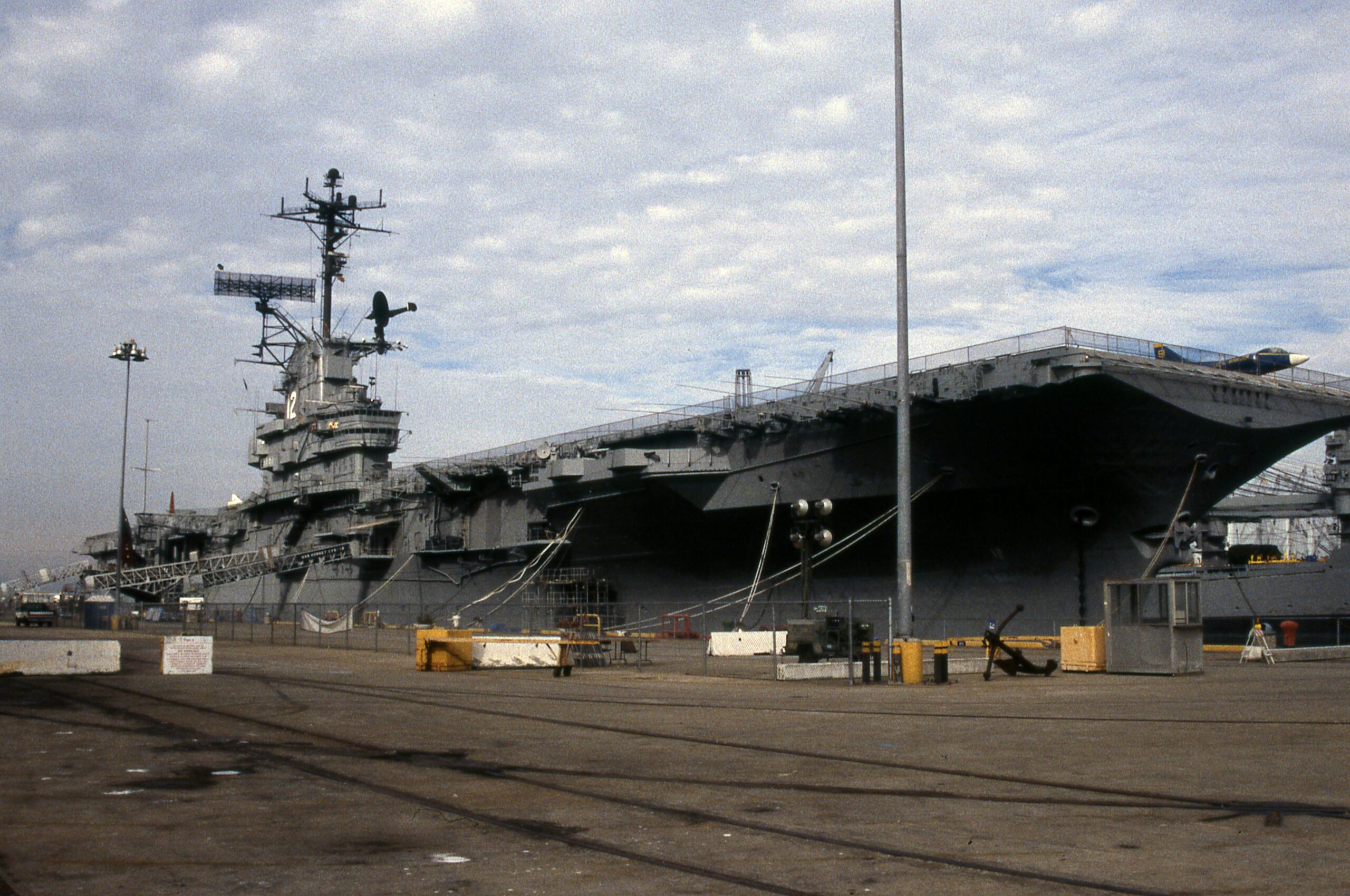
The Pentagon announced on Friday that the U.S. military will deploy the USS Gerald R. Ford near South America. Secretary of War Pete Hegseth ordered the carrier and its strike group to join U.S. Southern Command operations. Pentagon spokesman Sean Parnell said on social media that the move aims to detect and disrupt criminal networks threatening American safety and prosperity.
The USS Gerald R. Ford currently operates in the Mediterranean Sea alongside five destroyers. Deploying an aircraft carrier represents a major escalation of military power in a region already experiencing an extensive U.S. buildup in the Caribbean and off Venezuela’s coast.
U.S. Expands Anti-Drug Strikes Across the Caribbean
Earlier in the day, Hegseth announced that U.S. forces carried out their tenth strike on a suspected drug-trafficking vessel. The operation killed six people, raising the total number of deaths from such missions to at least 43 since early September. Officials identified the targeted vessel as operated by the Tren de Aragua gang, a criminal group originating in Venezuela.
Hegseth said the overnight strike took place in international waters and was the first nighttime attack in the campaign. He warned that U.S. forces would treat narco-terrorists like Al-Qaeda, vowing to track, target, and eliminate anyone smuggling drugs in the Western Hemisphere.
Washington’s Focus on Venezuela Sparks Tensions
The Trump administration linked several intercepted boats to Venezuela and designated the Tren de Aragua group as a foreign terrorist organization. Officials accused the gang of fueling violence and drug trafficking throughout the region. On Thursday, the U.S. military flew two hypersonic bombers near Venezuela’s coastline, intensifying speculation about possible plans to pressure President Nicolás Maduro.
Maduro praised his armed forces and civilian militias for conducting defense drills across 2,000 kilometers of coastline. He claimed full coastal coverage within six hours and urged peace over war, saying, “Not war, just peace—forever.”
Regional experts, including Elizabeth Dickinson of the International Crisis Group, argued that the U.S. operations serve as political signals rather than purely anti-drug missions. “Drugs are the excuse,” Dickinson said. “Washington is showing that it will use military force to push its objectives.”
Hegseth compared the anti-cartel campaign to America’s post-9/11 war on terror. Trump recently declared drug cartels unlawful combatants and said the U.S. was in armed conflict with them. When asked if he planned to request a formal declaration of war, Trump replied, “We’re just going to kill the people bringing drugs into our country—they’re going to be dead.”
