


The Canary Islands recorded unprecedented tourist arrivals despite protests and stricter overtourism rules.
August brought 1.23 million international visitors, a 6% rise from 2024.
From January to August, over 10 million foreigners traveled to the islands, ranking them Spain’s third most popular region.
The United Kingdom supplied nearly half a million visitors, with Germany contributing a significant portion.
Tourism drives about 35% of the islands’ GDP and remains critical to the economy.
Year-Round Appeal Draws Crowds
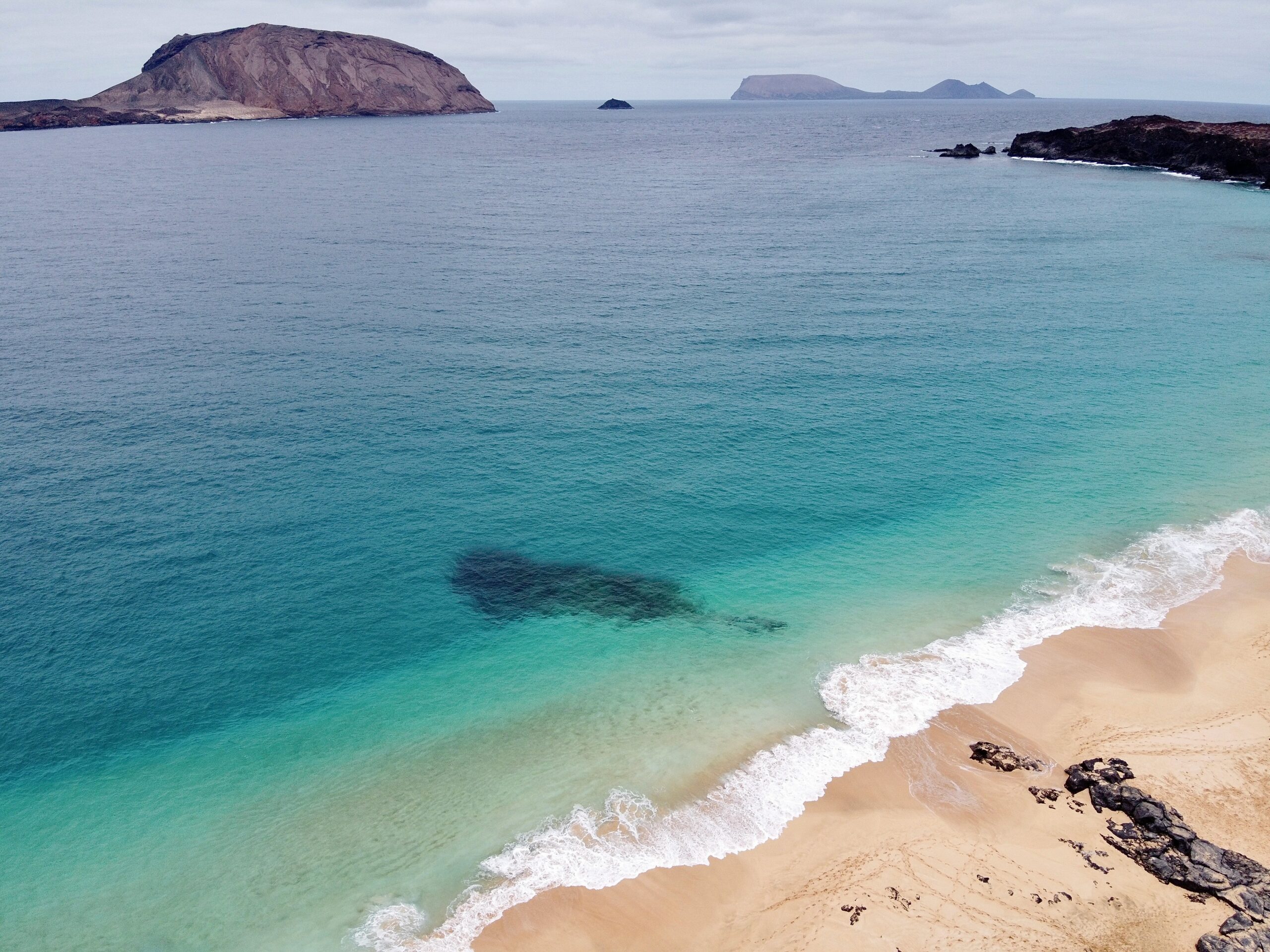
The islands attract tourists with warm weather, beaches, forests, mountains, and volcanic landscapes throughout the year.
Tenerife, Fuerteventura, Gran Canaria, Lanzarote, La Palma, La Gomera, and El Hierro offer diverse experiences.
European flights make the islands accessible, though Ryanair cancellations may reduce travel options.
Local residents have protested mass tourism, citing environmental damage and overcrowding.
Authorities Introduce Fees and Rules to Protect Nature
Tenerife National Park will introduce an “eco-tax” for popular hiking trails by 2026.
The Teide-Pico Viejo volcano will cost around €25 per visitor, with trail-specific fees for certain routes.
Hikers pay €15 unguided or €10 guided on the Telesforo Bravo summit trail. Montaña Blanca-Rambleta costs €6 weekdays and €10 weekends.
Children under 14 and local residents enter free or at reduced rates.
Authorities hope the fees reduce crowds and protect wildlife and plant life.
Other islands regulate short-term rentals, charge small tourism fees, and restrict accommodation to limit visitor pressure.
Officials enforce fines for public drinking and maintain smoke-free beaches to curb partying.
Tenerife’s president, Rosa Dávila, said the measures protect Teide now and for future generations.
