


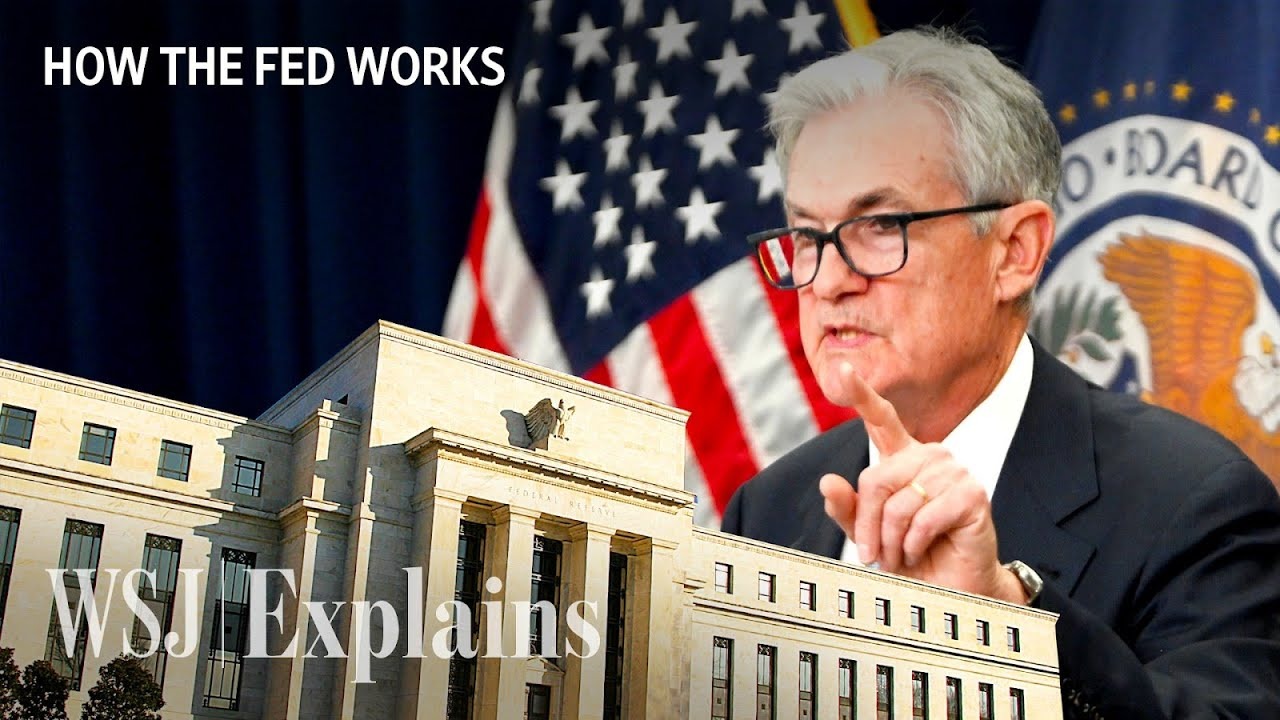
Recent data suggests that the economy looks weaker, with indicators showing slowing growth, rising inflation, and heightened uncertainty across sectors. At the same time, the Federal Reserve faces challenges in navigating monetary policy to stabilize markets without stifling economic activity.
Economic reports indicate that consumer spending, a key driver of growth, is losing momentum. Households are contending with higher prices for essentials such as food, energy, and housing, forcing reductions in discretionary spending. Analysts warn that continued weakness in consumer demand could ripple across industries, including retail, hospitality, and manufacturing.
Labor market indicators are also signaling potential softening. While unemployment rates remain historically low, job growth has slowed, and jobless claims have edged upward in recent weeks. Slower hiring reduces consumer confidence and purchasing power, further highlighting why the economy looks weaker than in previous quarters.
Inflation continues to be a pressing concern. Rising costs across key sectors are putting pressure on both households and businesses. Companies face higher input costs while trying to maintain competitive pricing, leading to cautious hiring and investment strategies. Economists emphasize that persistent inflation complicates the Federal Reserve’s policy decisions, as the central bank must balance controlling prices with supporting growth.
Financial markets have reacted to these trends with increased volatility. Investors are closely monitoring inflation data, employment figures, and Federal Reserve signals for clues about future interest rate adjustments. Stock and bond markets have experienced fluctuations as traders attempt to anticipate the Fed’s response to a weakening economic environment.
The Federal Reserve, which traditionally uses interest rate adjustments to manage growth and inflation, now faces a complex challenge. Raising rates could slow borrowing and spending further, potentially pushing the economy into a deeper slowdown. Conversely, maintaining lower rates could risk allowing inflation to persist. This balancing act underscores why the Federal Reserve looks weaker amid current conditions.
Global factors are also influencing the U.S. economy. Supply chain disruptions, energy price volatility, and geopolitical tensions add pressure to domestic growth and inflation. International trade uncertainty affects exports and imports, creating additional complexity for policymakers and businesses trying to navigate a fragile economic landscape.
Industry analysts warn that sectors sensitive to consumer and business spending—such as travel, hospitality, and durable goods—may face continued strain. Companies are adjusting by controlling costs, delaying expansion, and prioritizing efficiency over growth. This caution reinforces the broader view that the economy looks weaker overall.
Despite these pressures, the economy retains some resilience. Corporate balance sheets are generally strong, and certain industries, including technology and finance, continue to perform well. However, analysts caution that resilience in isolated sectors may not offset broader weakness across the economy if consumer demand and investment trends do not improve.
The Federal Reserve is expected to continue closely monitoring economic indicators, including inflation, employment, and consumer spending, before making further policy moves. Policymakers are under pressure to act carefully to maintain stability while avoiding unintended consequences that could worsen economic conditions.
For households, the weakening economy means tighter budgets and more cautious spending decisions. Experts recommend careful financial planning, monitoring price trends, and maintaining savings buffers to mitigate the impact of inflation and potential job market softness.
In summary, the economy looks weaker as consumer demand slows, inflation persists, and job growth moderates. Simultaneously, the Federal Reserve faces significant challenges in managing monetary policy to stabilize markets. How policymakers, businesses, and households respond in the coming months will play a critical role in determining whether the U.S. economy can regain momentum or face prolonged weakness.
