


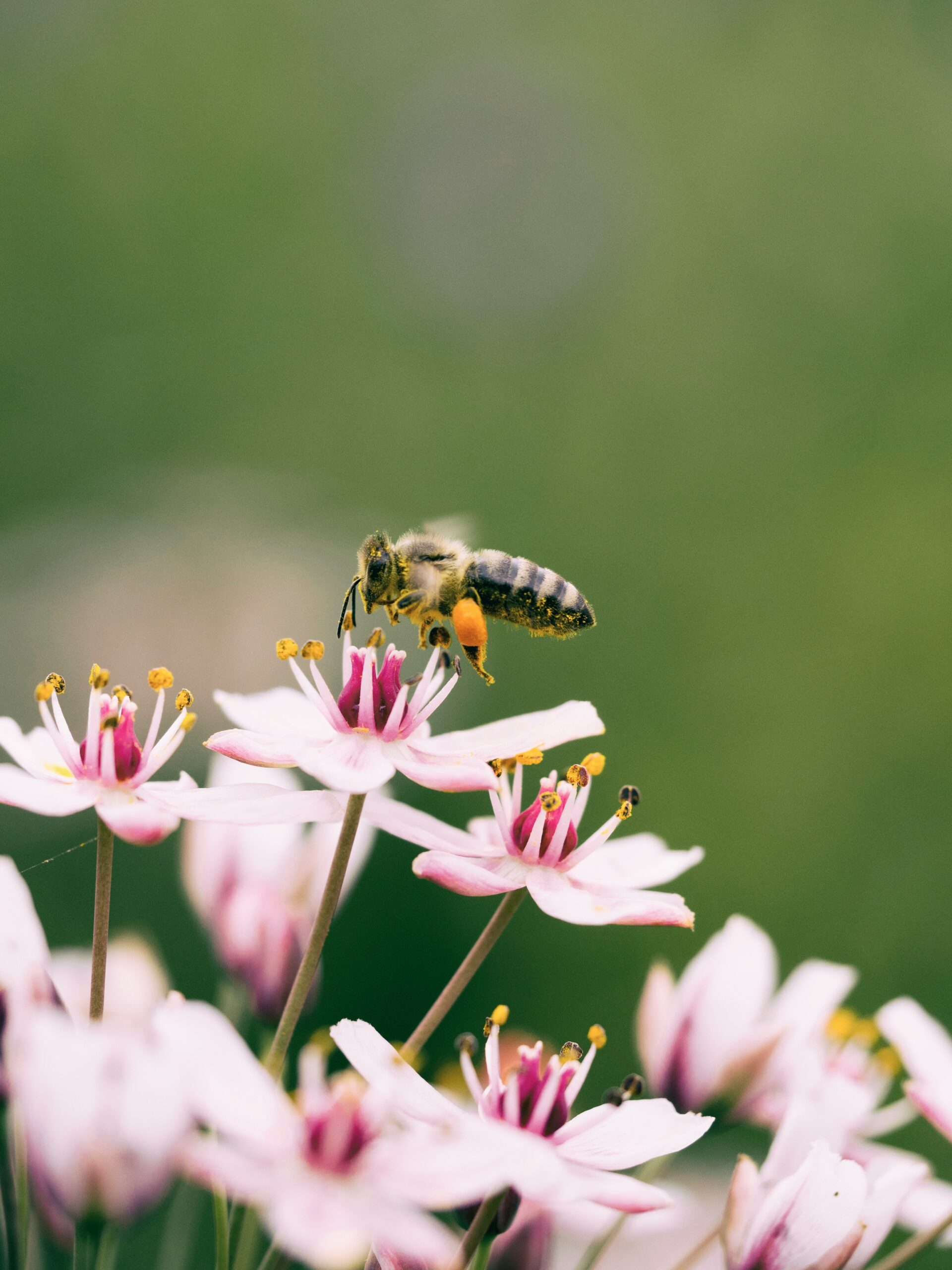
Wild bees actively select different flowers to balance their intake of protein, fat, and carbohydrates, according to a long-term study in the Colorado Rockies. Researchers from Northwestern University and the Chicago Botanic Garden tracked eight species of bumblebees over eight years, analyzing the pollen they collected and its nutritional content.
The results showed that pollen varies greatly in protein, from as low as 17% to as high as 86%. Seasonal shifts also played a role: spring flowers provided more protein-rich pollen, while late-summer blooms were richer in fats and carbohydrates. Larger bees with longer tongues tended to favor high-protein pollen, while smaller species targeted flowers with more carbs and fats. Colonies also adjusted their nutritional intake as they developed, showing a dynamic response to changing needs.
Conservation Through Nutritional Diversity
The findings, published in Proceedings of the Royal Society B: Biological Sciences, emphasize that bee diets are not “one-size-fits-all.” Lead researcher Justin Bain compared the variety to human meals, noting some pollen is “like a steak” while others are “more like a salad.”
Senior author Paul CaraDonna stressed that understanding these preferences can guide better garden and habitat design, ensuring wild pollinators have access to the full range of nutrients they require. With pollinator populations under threat from climate change, habitat loss, and poor nutrition, the study highlights the importance of conserving not just flowers, but the diversity of nutrients they provide.
Michael Walsh, founder of The Urban Apiarist, praised the work as proof of bees’ collective intelligence and adaptability, noting that protecting their ecosystems is vital for both biodiversity and human food security.
