


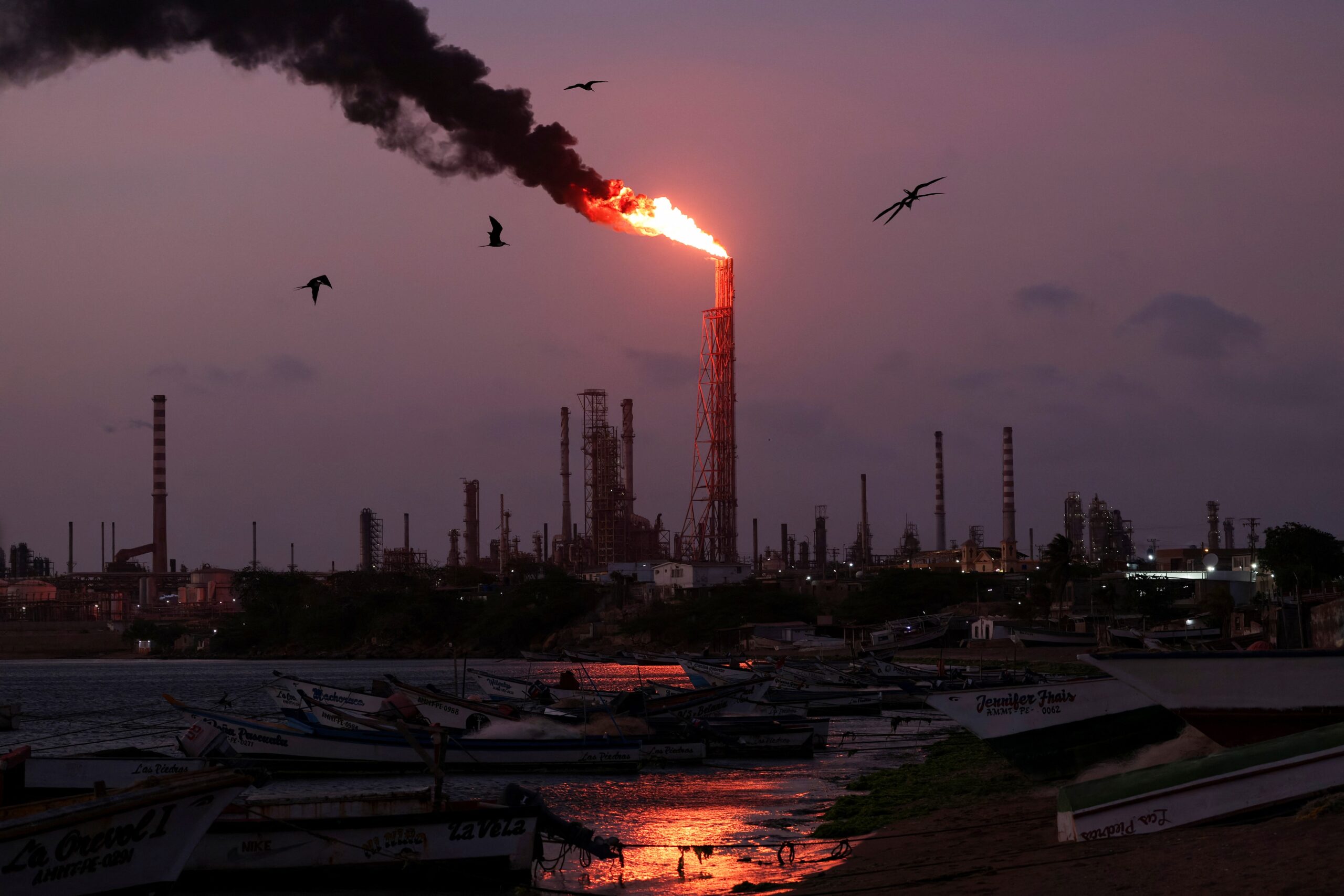
A new energy partnership between Venezuela and a U.S.-backed oil company could reshape future oil production and supply plans in the Western Hemisphere. The Venezuela US Oil Agreement grants North American Blue Energy Partners, known as NABEP, 100-year concessions for 17 oil fields containing an estimated 65 billion barrels of proven oil reserves.
The White House announced the details of the agreement on Monday, describing it as a major step toward securing long-term energy resources. The deal follows an announcement by President Donald Trump, who said the arrangement would give the United States significant access to a large share of Venezuela’s vast oil reserves.
Venezuela possesses some of the largest proven oil reserves in the world. Despite this natural wealth, years of economic challenges, declining investment, and production problems have limited the country’s oil output. The new agreement is expected to bring fresh investment into the sector and support future development projects.
According to the White House, NABEP is the second-largest private oil producer operating in Venezuela. The company has secured rights to develop and operate 17 oil fields under the long-term concession agreement.
As part of the arrangement, the company has also provided a 35 percent equity stake in its corporate parent to the Office of Strategic Capital within the U.S. Department of War. Administration officials said this ownership position could generate substantial future value through dividends and other financial returns.
The agreement includes provisions that give the United States direct access to oil produced from NABEP-operated fields. Under the terms released by the White House, the U.S. government will have the right to purchase 20 percent of production from current and future fields at production cost.
Officials said the provision is intended to support efforts to replenish strategic petroleum reserves. These reserves serve as an emergency supply of crude oil and play an important role in national energy security planning.
In addition to the guaranteed share of production, the United States will receive the right of first refusal on the remaining 80 percent of output. This means American authorities will have priority when deciding whether to purchase additional oil produced under the agreement.
Supporters view the deal as a long-term strategy to improve access to energy resources and strengthen supply security. They argue that guaranteed access to large reserves can help support future economic and energy planning.
The agreement also includes a major investment commitment. The White House said NABEP plans to invest up to $100 billion in oil infrastructure projects throughout Venezuela. The funding is expected to support field development, production facilities, transportation networks, and other energy-related projects.
Industry experts note that such investments are necessary because Venezuela’s oil sector requires significant modernization. Many production facilities have faced years of underinvestment, making large-scale upgrades essential before output can rise substantially.
While the deal has attracted attention because of the size of the reserves involved, analysts caution that production growth will not happen immediately. Developing major oil fields is a complex process that often requires years of planning, construction, and technical work.
Experts also point out that Venezuela’s current oil production remains far below historical levels. Increasing output will depend on continued investment, stable operations, and successful infrastructure development.
The agreement is expected to provide financial benefits to Venezuela as well. According to White House estimates, NABEP could pay approximately $200 billion in taxes and royalties to Venezuelan governments during the first 25 years of the project.
Supporters say those payments could contribute to economic development and provide resources for public programs and infrastructure improvements. However, analysts note that long-term outcomes will depend on economic conditions, policy decisions, and global energy market trends.
The Venezuela US Oil Agreement represents one of the most significant energy developments announced in recent years. With access to billions of barrels of reserves, large investment commitments, and long-term production rights, the deal has the potential to influence energy markets for decades.
As implementation moves forward, governments, investors, and industry leaders will closely monitor production plans, infrastructure projects, and future output levels. The success of the agreement will ultimately depend on how effectively the vast reserves are developed and brought into global energy markets.
