


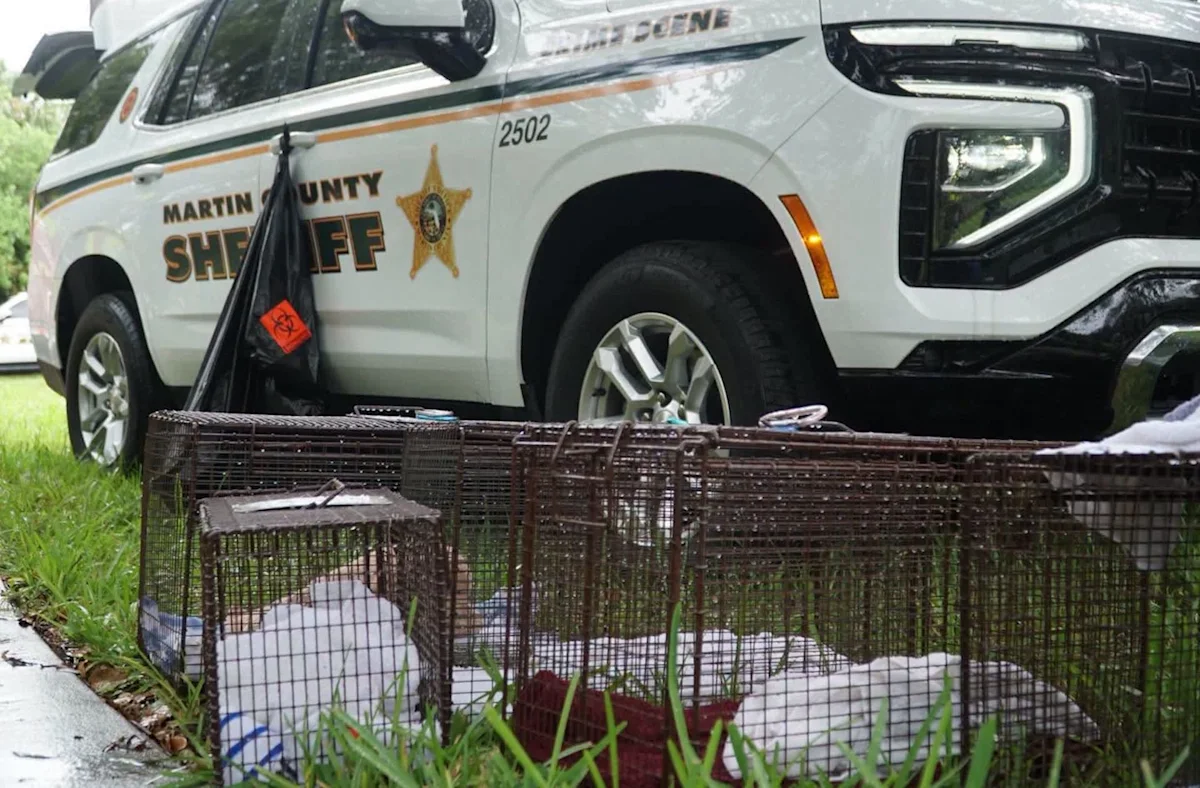
A major animal rescue effort in Martin County, Florida, continues to expand as the number of dogs and cats linked to a hoarding case has reached 108. Shelter officials say additional animals connected to the case are still arriving, and the total could increase further in the coming days.
The Humane Society of the Treasure Coast is caring for the rescued animals and working to prepare them for adoption. Staff members say the situation remains active because new pets continue to be brought in from the same case. The growing number of animals has created a significant demand for shelter space, medical care, and community support.
Despite the challenges, some positive progress has already been made. More than a dozen rescued pets have found permanent homes through adoption. Shelter officials hope that many more dogs and cats will be adopted as they complete the required health and safety procedures.
Before any animal can be placed in a new home, the shelter follows a detailed care process. Each pet receives a medical examination and necessary treatment. Animals also undergo spay-and-neuter procedures, receive microchips, and must be cleared by veterinary staff before becoming available for adoption.
Shelter representatives say this process is important because many animals arriving from hoarding situations require extra care and attention. The goal is to ensure that every pet is healthy and ready for a successful transition into a permanent home.
As the number of rescued animals continues to grow, the Humane Society of the Treasure Coast is asking for help from the community. Officials say donations, foster homes, and adoptions are all needed to support the ongoing rescue effort. Community members have already contributed resources, but shelter leaders say additional assistance will help meet the increasing demand.
Large-scale hoarding cases often place heavy pressure on animal welfare organizations. Shelters must provide housing, food, veterinary care, and daily attention for a large number of animals while continuing their normal operations. The challenge becomes even greater when animals arrive over an extended period instead of all at once.
The Humane Society of the Treasure Coast has continued to accept donations as staff members work to care for the rescued pets. Shelter officials encourage residents to check adoption listings regularly because more animals are expected to become available as they complete the medical clearance process.
The organization operates as a no-kill animal welfare group and serves Martin County by providing shelter and care for animals in need. Staff members remain focused on helping each rescued pet recover and find a safe and loving home.
Officials say the number of animals connected to the Florida animal hoarding case may continue to change as the investigation progresses. New arrivals are still being processed, and shelter teams are working daily to manage the growing population of dogs and cats.
Animal welfare advocates believe community involvement will play a key role in the success of the rescue effort. Every adoption creates space for another animal in need, while foster homes help reduce crowding and provide pets with a more comfortable environment.
For now, shelter workers continue their efforts to care for all 108 rescued animals. As more pets complete medical treatment and become available for adoption, officials remain hopeful that many will soon find permanent homes. The Florida animal hoarding case highlights both the challenges faced by animal welfare organizations and the impact that community support can have during large rescue operations.
