


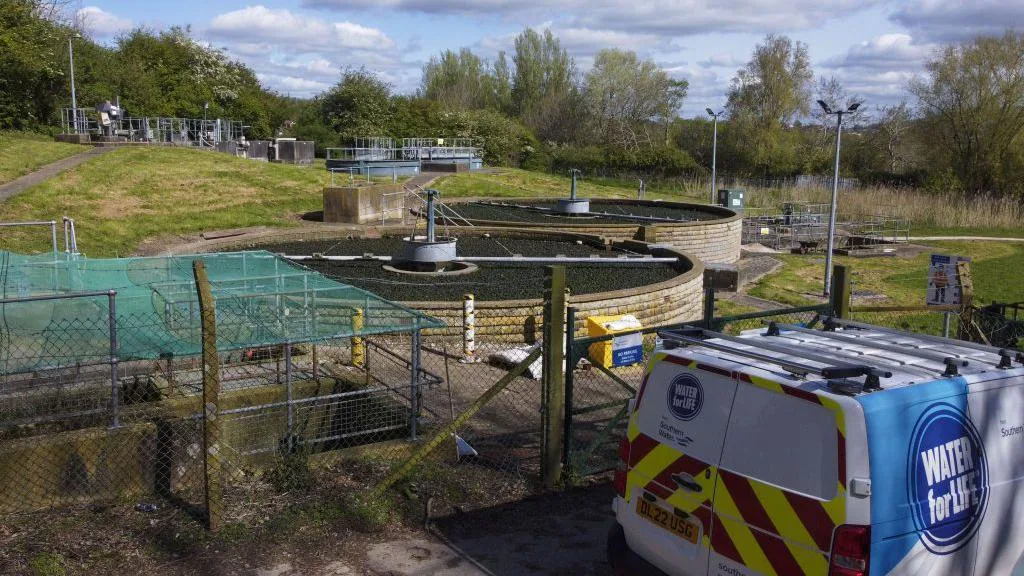
A water company has urged people to stop flushing wet wipes down toilets after revealing the huge impact they have on the sewer system every year.
Southern Water said wet wipes are the biggest cause of sewer blockages across its network. The company estimates it removes about 4,500 tonnes of wipes from sewers every year. It says the problem leads to costly clean-up work and causes harm to the environment.
The company is asking customers to throw all wet wipes into a bin instead of flushing them. This advice also applies to products sold as “flushable.” According to the company, these wipes do not break down fast enough after entering the sewer system.
Southern Water estimates that around 370 million wet wipes are removed from sewers in Kent every year. Another 330 million are taken out in Sussex, while about 270 million are removed in Hampshire. On the Isle of Wight, the company says workers collect around 30 million wipes from the sewer network each year.
The figures show the scale of the problem across southern England. Water teams spend a large amount of time clearing blocked pipes and repairing damage caused by wipes mixed with other waste.
Matt Collins, who works with Southern Water’s fat, oils, grease and unflushables team, said wet wipes behave very differently from toilet paper.
He explained that toilet paper is designed to break apart quickly in water. Wet wipes stay together for much longer. As they travel through pipes, they can catch on rough surfaces and other objects inside the sewer.
Over time, these wipes collect fats, oils, grease and other waste. This creates large blockages known as fatbergs. These solid masses can stop wastewater from flowing normally through the sewer system.
When sewers become blocked, wastewater can back up into homes, streets and nearby waterways. Cleaning these blockages often takes time, special equipment and significant resources. Water companies also say these problems can increase maintenance costs for customers over time.
The environmental impact is another major concern. Blocked sewers can lead to pollution if wastewater escapes into rivers, streams or coastal waters. This can affect wildlife and damage natural habitats.
New government rules are expected to reduce part of the problem. England will ban plastic wet wipes from 2027. Plastic fibres do not break down naturally and can remain in the environment for many years.
Many manufacturers have already switched to making wipes with alternative materials instead of plastic. However, water companies say the newer products still do not break down quickly enough to be safely flushed.
Because of this, Southern Water believes that changing the material alone will not solve the problem. The company says people should place every used wipe in a waste bin, regardless of how it is labelled.
Some wipe manufacturers disagree with that view. They say their non-plastic flushable wipes have passed industry tests and meet current standards for products described as flushable.
Collins welcomed the upcoming plastic wipe ban. He called it a positive step toward reducing waste in sewers. However, he also said the new rules do not fully address the size of the problem facing water companies.
Water experts continue to remind people that only toilet paper should be flushed. Other items, including wet wipes, paper towels, cotton buds and sanitary products, should always be placed in a bin.
Public awareness campaigns have become an important part of reducing sewer blockages. Water companies hope that simple changes in daily habits will help lower repair costs, protect the environment and reduce the number of fatbergs forming underground.
Southern Water says every household can make a difference. By putting wet wipes in the bin instead of the toilet, people can help keep sewers flowing properly, reduce pollution risks and support a cleaner environment for everyone.
