


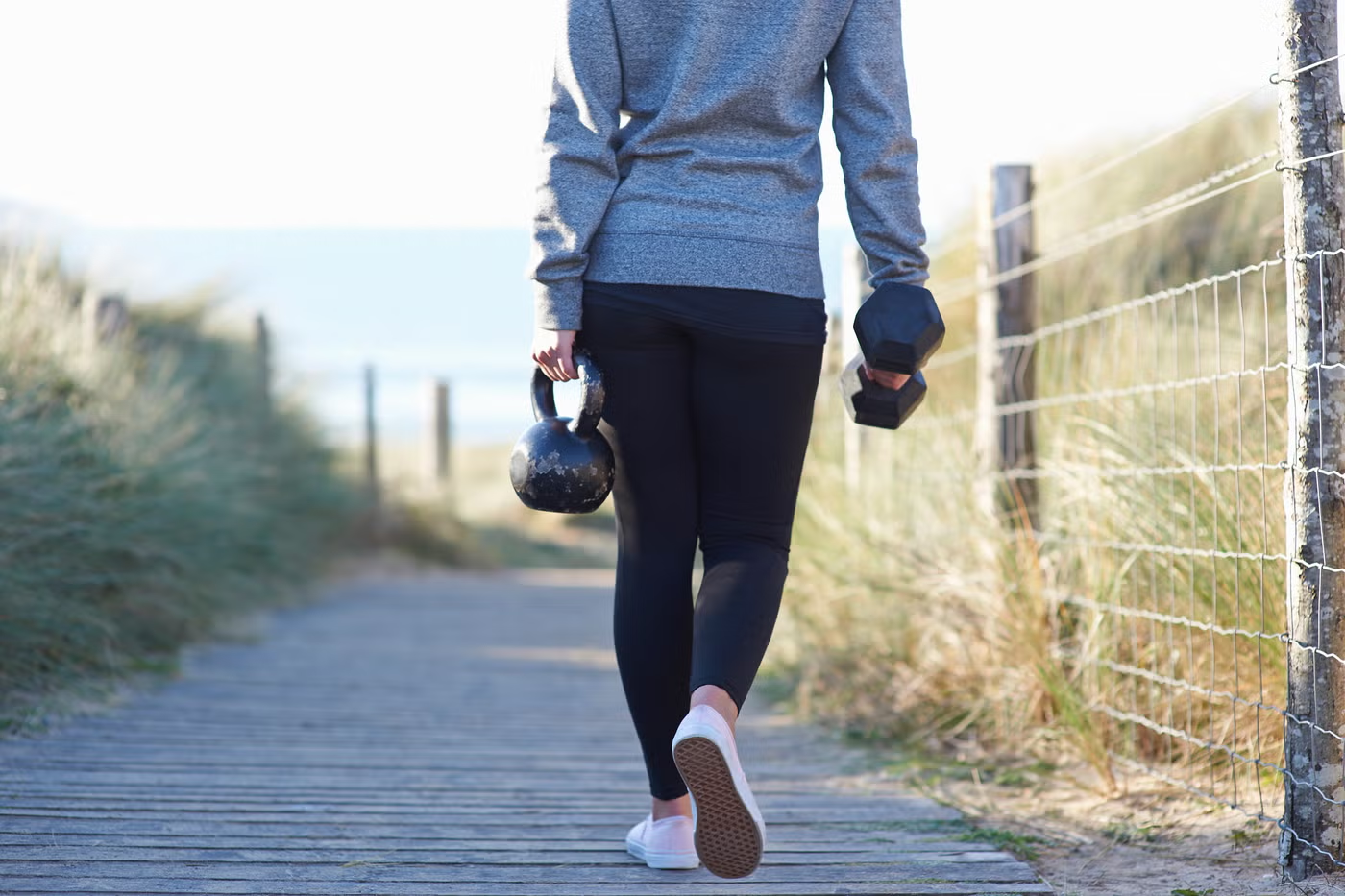
The Walking Mistakes Guide highlights how small habits can reduce the benefits of one of the simplest forms of exercise. Walking may seem easy, but experts say how you walk matters a lot for your health.
Health professionals explain that walking is a powerful activity. It can support heart health, improve mood, and help maintain fitness. Studies show that walking about 8,700 steps daily can lower the risk of death from many causes. Even around 7,100 steps a day can reduce heart disease risk.
Despite these benefits, many people make simple mistakes. These errors can limit results or even lead to discomfort over time.
One common issue in the Walking Mistakes Guide is thinking walking does not count as real exercise. Experts say this is not true. Walking can be as effective as other workouts when done regularly. Consistency matters more than intensity. Even short walks done daily can build long-term benefits.
Another mistake is walking too slowly. While a relaxed pace feels easy, it may not provide enough challenge. Experts suggest a pace of about 100 steps per minute for most people. Faster walking, around 120 steps per minute, can improve heart health and help burn more energy.
Posture also plays a key role. Many people lean forward while walking. This often comes from long hours of sitting. Poor posture can strain the body and reduce balance. Standing upright and keeping the head aligned with the body can improve movement and reduce stress on joints.
The Walking Mistakes Guide also warns about phone use during walks. Looking down at a screen can harm posture and increase the risk of trips or falls. It also takes away the mental benefits of walking, such as stress relief and focus.
Arm movement is another factor people often ignore. Letting arms hang still can reduce coordination. Swinging the arms naturally helps the body move better and increases walking speed. It also supports balance.
Foot movement is equally important. Some people drag their feet or shuffle. This increases the risk of tripping and puts extra strain on joints. A proper walking pattern includes a smooth step from heel to toe.
Shoes can also affect walking quality. Wearing the wrong size or type can lead to pain or injury. Experts say many people wear shoes that do not fit well. Proper footwear should support the foot without being too tight or too loose.
The Walking Mistakes Guide also highlights the importance of using the right muscles. Many people rely too much on momentum instead of pushing off with their legs. Engaging the glutes helps improve strength and reduces pressure on the knees.
Toe strength may seem minor, but it plays a big role. Strong toes help with balance and movement. Weak toe muscles can increase the risk of falls, especially over time.
Another mistake is always walking the same way. Doing the same route at the same speed can limit progress. Experts suggest adding variety. Walking on different surfaces, changing pace, or trying hills can improve strength and balance.
The Walking Mistakes Guide shows that small changes can make a big difference. Better posture, proper pace, and mindful movement can improve results. These adjustments can also reduce the risk of injury.
Walking remains one of the easiest ways to stay active. With the right approach, it can deliver strong health benefits for people of all ages. Making simple improvements can turn a daily habit into a powerful tool for long-term wellness.
