

Close Menu
    What's Hot

    K2G Holding brings in former Simpego CEO to drive expansion strategy

    May 6, 2026

    Walking Mistakes Guide You Should Fix Today

    May 6, 2026

    Met Gala Bathroom Challenge Stuns Celebrities

    May 6, 2026
    Facebook X (Twitter) Instagram
    Trending
    • K2G Holding brings in former Simpego CEO to drive expansion strategy
    • Walking Mistakes Guide You Should Fix Today
    • Met Gala Bathroom Challenge Stuns Celebrities
    • Thunder Lakers Game 1 Ends in Big OKC Win
    • California Remote Teaching Bill Sparks Debate
    • Houston Family Tragedy Leaves Community in Shock
    • Ohio Daycare Abuse Case Ends in Prison Sentence
    • Endangered Species Recovery Shows Strong Growth
    MirnewsMirnews
    • General
    • World
    • Finance
    • Money
    • Lifestyle
    • More
      • Culture
      • Travel & Tourism
      • Environment & Sustainability
    Subscribe
    • Latest News
    • Politics
    • Opinion
    • Business
    • Technology
    • Sports
    • Health
    • Education
    • Entertainment
    MirnewsMirnews
    Home»Latest News»California Remote Teaching Bill Sparks Debate
    Latest News

    California Remote Teaching Bill Sparks Debate

    Grace JohnsonBy Grace JohnsonMay 6, 2026No Comments3 Mins Read
    Facebook Twitter LinkedIn Telegram Pinterest Tumblr Reddit WhatsApp Email
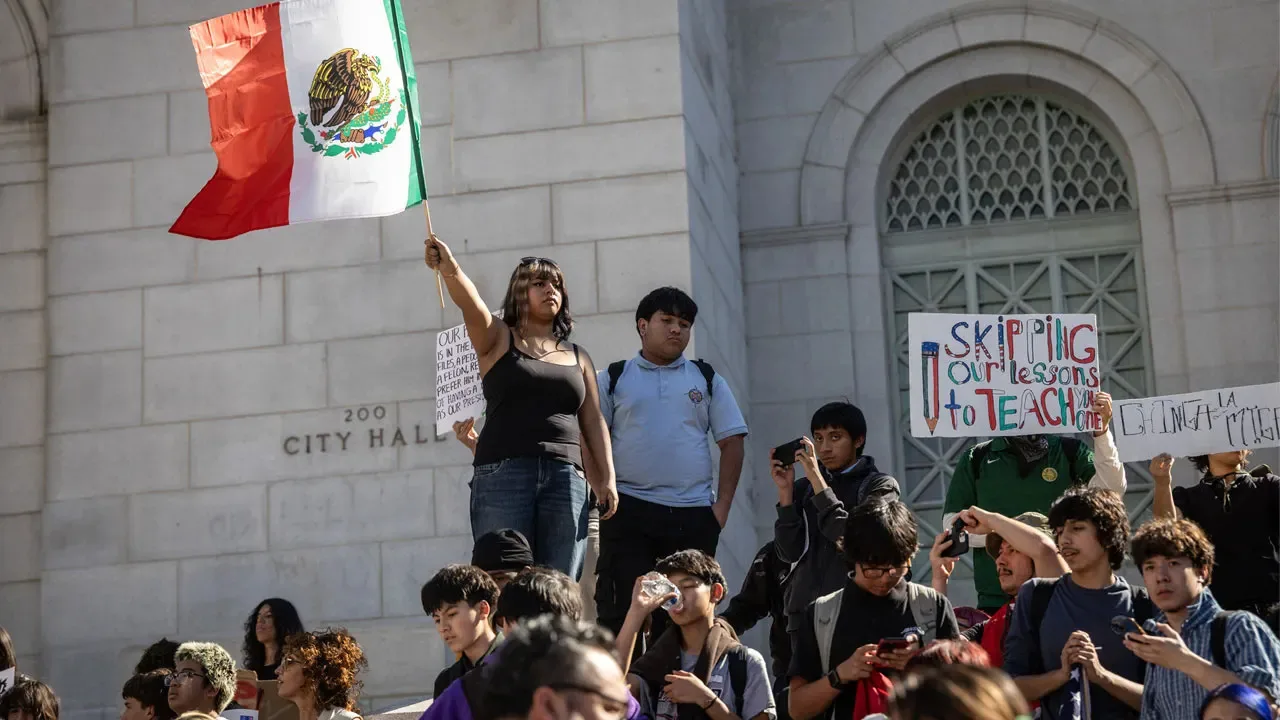
    The California Remote Teaching Bill is drawing attention across the United States. A new proposal in California could allow some professors who leave the country after immigration action to continue teaching students online. The bill was introduced by Mike Gipson, a Democratic lawmaker from Los Angeles. It focuses on keeping classes running even when faculty members are affected by immigration enforcement. Under the proposal, certain instructors who are no longer in the United States could still teach. They would do so through what the bill calls a “remote teaching arrangement.” This means they could continue their work using online tools and distance learning systems. The California Remote Teaching Bill aims to reduce disruption in community colleges. If a teacher leaves suddenly, students may face delays or canceled courses. Supporters say this measure would help keep learning on track. The plan would apply to faculty working in community college districts. It would cover those who leave the country after January 1, 2027, for specific reasons. These include actions linked to immigration enforcement by the Department of Homeland Security. Supporters argue the bill is about continuity in education. The Faculty Association of California Community Colleges has backed the proposal. The group says it would protect student learning and avoid sudden breaks in teaching. They add that online tools make remote instruction possible. Many colleges already use digital platforms for classes. This makes it easier for teachers to stay connected with students from different locations. The California Remote Teaching Bill comes at a time of wider debate on immigration and education. Schools and colleges are adjusting policies as enforcement actions affect students and staff. Some institutions have already moved classes online during periods of uncertainty. Data also shows that immigrant educators play a key role in the US system. Research from George Mason University estimates there are over 800,000 immigrant teachers in the country. A large share of them work in higher education. However, the proposal has also raised questions. Critics argue that it may create legal and policy challenges. They point to issues such as employment rules, accreditation standards, and oversight of remote teaching from outside the country. Some experts say the bill may need clear guidelines. These could include how performance is tracked and how institutions ensure quality education. Others note that cross-border work can raise tax and regulatory concerns. The California Remote Teaching Bill reflects a broader shift toward digital education. Online learning has grown rapidly in recent years. Many colleges now offer flexible options for both students and teachers. Still, the debate shows that technology alone does not solve all issues. Lawmakers must balance access to education with legal frameworks. This is especially important in areas like immigration policy. At present, the bill is still under review. Lawmakers will discuss its details before any final decision. Public opinion and expert input are likely to shape the outcome. The California Remote Teaching Bill highlights how education systems are adapting to change. It shows the growing role of online learning in keeping classrooms active. At the same time, it raises key questions about policy, law, and fairness. As discussions continue, students, teachers, and institutions will watch closely. The final decision could set an example for other states facing similar challenges.
    The California Remote Teaching Bill is drawing attention across the United States. A new proposal in California could allow some professors who leave the country after immigration action to continue teaching students online. The bill was introduced by Mike Gipson, a Democratic lawmaker from Los Angeles. It focuses on keeping classes running even when faculty members are affected by immigration enforcement. Under the proposal, certain instructors who are no longer in the United States could still teach. They would do so through what the bill calls a “remote teaching arrangement.” This means they could continue their work using online tools and distance learning systems. The California Remote Teaching Bill aims to reduce disruption in community colleges. If a teacher leaves suddenly, students may face delays or canceled courses. Supporters say this measure would help keep learning on track. The plan would apply to faculty working in community college districts. It would cover those who leave the country after January 1, 2027, for specific reasons. These include actions linked to immigration enforcement by the Department of Homeland Security. Supporters argue the bill is about continuity in education. The Faculty Association of California Community Colleges has backed the proposal. The group says it would protect student learning and avoid sudden breaks in teaching. They add that online tools make remote instruction possible. Many colleges already use digital platforms for classes. This makes it easier for teachers to stay connected with students from different locations. The California Remote Teaching Bill comes at a time of wider debate on immigration and education. Schools and colleges are adjusting policies as enforcement actions affect students and staff. Some institutions have already moved classes online during periods of uncertainty. Data also shows that immigrant educators play a key role in the US system. Research from George Mason University estimates there are over 800,000 immigrant teachers in the country. A large share of them work in higher education. However, the proposal has also raised questions. Critics argue that it may create legal and policy challenges. They point to issues such as employment rules, accreditation standards, and oversight of remote teaching from outside the country. Some experts say the bill may need clear guidelines. These could include how performance is tracked and how institutions ensure quality education. Others note that cross-border work can raise tax and regulatory concerns. The California Remote Teaching Bill reflects a broader shift toward digital education. Online learning has grown rapidly in recent years. Many colleges now offer flexible options for both students and teachers. Still, the debate shows that technology alone does not solve all issues. Lawmakers must balance access to education with legal frameworks. This is especially important in areas like immigration policy. At present, the bill is still under review. Lawmakers will discuss its details before any final decision. Public opinion and expert input are likely to shape the outcome. The California Remote Teaching Bill highlights how education systems are adapting to change. It shows the growing role of online learning in keeping classrooms active. At the same time, it raises key questions about policy, law, and fairness. As discussions continue, students, teachers, and institutions will watch closely. The final decision could set an example for other states facing similar challenges.
    Share
    Facebook Twitter LinkedIn Pinterest Email

    The California Remote Teaching Bill is drawing attention across the United States. A new proposal in California could allow some professors who leave the country after immigration action to continue teaching students online.

    The bill was introduced by Mike Gipson, a Democratic lawmaker from Los Angeles. It focuses on keeping classes running even when faculty members are affected by immigration enforcement.

    Under the proposal, certain instructors who are no longer in the United States could still teach. They would do so through what the bill calls a “remote teaching arrangement.” This means they could continue their work using online tools and distance learning systems.

    The California Remote Teaching Bill aims to reduce disruption in community colleges. If a teacher leaves suddenly, students may face delays or canceled courses. Supporters say this measure would help keep learning on track.

    The plan would apply to faculty working in community college districts. It would cover those who leave the country after January 1, 2027, for specific reasons. These include actions linked to immigration enforcement by the Department of Homeland Security.

    Supporters argue the bill is about continuity in education. The Faculty Association of California Community Colleges has backed the proposal. The group says it would protect student learning and avoid sudden breaks in teaching.

    They add that online tools make remote instruction possible. Many colleges already use digital platforms for classes. This makes it easier for teachers to stay connected with students from different locations.

    The California Remote Teaching Bill comes at a time of wider debate on immigration and education. Schools and colleges are adjusting policies as enforcement actions affect students and staff. Some institutions have already moved classes online during periods of uncertainty.

    Data also shows that immigrant educators play a key role in the US system. Research from George Mason University estimates there are over 800,000 immigrant teachers in the country. A large share of them work in higher education.

    However, the proposal has also raised questions. Critics argue that it may create legal and policy challenges. They point to issues such as employment rules, accreditation standards, and oversight of remote teaching from outside the country.

    Some experts say the bill may need clear guidelines. These could include how performance is tracked and how institutions ensure quality education. Others note that cross-border work can raise tax and regulatory concerns.

    The California Remote Teaching Bill reflects a broader shift toward digital education. Online learning has grown rapidly in recent years. Many colleges now offer flexible options for both students and teachers.

    Still, the debate shows that technology alone does not solve all issues. Lawmakers must balance access to education with legal frameworks. This is especially important in areas like immigration policy.

    At present, the bill is still under review. Lawmakers will discuss its details before any final decision. Public opinion and expert input are likely to shape the outcome.

    The California Remote Teaching Bill highlights how education systems are adapting to change. It shows the growing role of online learning in keeping classrooms active. At the same time, it raises key questions about policy, law, and fairness.

    As discussions continue, students, teachers, and institutions will watch closely. The final decision could set an example for other states facing similar challenges.

    Share. Facebook Twitter Pinterest LinkedIn Tumblr Telegram Email
    Previous ArticleHouston Family Tragedy Leaves Community in Shock
    Next Article Thunder Lakers Game 1 Ends in Big OKC Win
    Grace Johnson
    • Website
    • Facebook

    Grace Johnson is a freelance journalist from the USA with over 15 years of experience reporting on Politics, World Affairs, Business, Health, Technology, Finance, Lifestyle, and Culture. She earned her degree in Communication and Journalism from the University of Miami. Throughout her career, she has contributed to major outlets including The Miami Herald, CNN, and USA Today. Known for her clear and engaging reporting, Grace delivers accurate and timely news that keeps readers informed on both national and global developments.

    Related Posts

    Houston Family Tragedy Leaves Community in Shock

    May 6, 2026

    Texas Migrant Arrest Law Faces New Lawsuit

    May 5, 2026

    Trump Iran War Proposal Under Review Now

    May 3, 2026
    Add A Comment
    Leave A Reply Cancel Reply

    Latest News

    Endangered Species Recovery Shows Strong Growth

    May 5, 2026

    Rural Internet Expansion Boosts Free Access

    May 5, 2026

    Texas Clean Energy Project Powers Homes’ Growth

    May 5, 2026

    Texas Migrant Arrest Law Faces New Lawsuit

    May 5, 2026

    Meta employee tracking AI sparks major backlash!!

    Latest News April 23, 2026

    Meta has confirmed a new internal system that will track how employees work to train…

    Fibre takes over as the new cornerstone of healthy living

    January 18, 2026

    Chelsea Ease Past Charlton as Rosenior Begins Reign Amid Fan Unrest

    January 10, 2026

    Trump evacuated after White House dinner shooting!

    April 26, 2026

    Mir News brings you fresh stories, news, culture, and trends from the United States and beyond — your daily source for insight, inspiration, and authentic perspectives.

    We're social. Connect with us:

    Facebook Instagram
    Categories
    • Business
    • Culture
    • Education
    • Entertainment
    • Environment & Sustainability
    • Health
    • Media
    • Latest News
    • Opinion
    • Real Estate
    • Sports
    • Technology
    • Travel & Tourism
    Latest News

    California Remote Teaching Bill Sparks Debate

    May 6, 2026

    Houston Family Tragedy Leaves Community in Shock

    May 6, 2026

    Texas Migrant Arrest Law Faces New Lawsuit

    May 5, 2026
    All Rights Reserved © 2026 Mirnews.
    • Contact Us
    • Privacy Policy
    • Terms and conditions
    • Disclaimer
    • Imprint

    Type above and press Enter to search. Press Esc to cancel.